What supplies are needed when you move?
At Cargill Removals, we know that preparation is everything. When you start asking “What supplies are needed when you move?”, you’re already ahead of the game. The right moving supplies protect your belongings, save you time, and make the entire move less stressful. Whether you’re packing a small flat or a large family home, you need the right materials on hand. We’re here to guide you through every item you’ll need to make your move smooth and efficient. With our years of experience helping people move across the UK and beyond, we’ve seen what works—and what doesn’t.
Let’s dive into the essential moving supplies that make all the difference. From sturdy boxes to protective padding, we’ll help you get packed properly.
Strong Cardboard Boxes
You need sturdy, double-walled cardboard boxes for every type of move. Choose a variety of sizes to suit different items. Smaller boxes are ideal for heavy belongings like books. Larger ones fit lighter items such as bedding and clothes. If the box isn’t strong enough, it could collapse or tear during the move. That’s the last thing you want when you’re shifting valuables. Make sure each box is in excellent condition. Avoid reused boxes that may have worn corners. Invest in high-quality moving boxes to protect your possessions properly. They stack well, handle weight better, and reduce the risk of damage. Always label the boxes clearly once packed. Use a permanent marker to list contents and the room it belongs to. A reliable set of boxes keeps your move organised and manageable from the very beginning.

Heavy-Duty Packing Tape
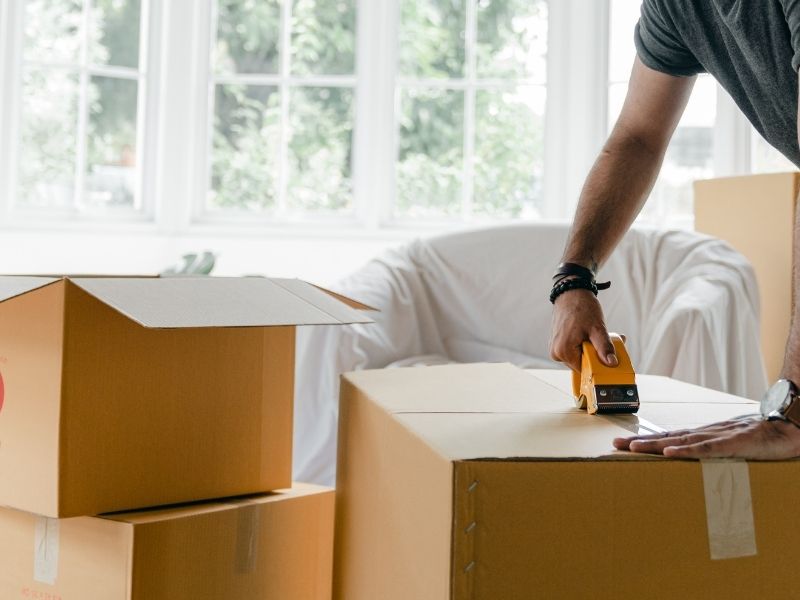
Ordinary tape won’t do the job when you’re packing up your life. Use heavy-duty packing tape that sticks securely and lasts. It keeps the bottoms of your boxes sealed, preventing them from opening mid-move. Apply at least two strips to the bottom flaps of each box. Reinforce the sides if you’re carrying heavier contents. This type of tape is easy to use, durable, and offers peace of mind. Choose a dispenser to speed up the process and reduce waste. Make sure it cuts smoothly and saves time. Clear packing tape allows you to seal labels or notes over the top without smudging. You’ll need several rolls, so stock up early. Avoid using masking tape or duct tape. They don’t hold well under pressure and can peel off easily. Reliable packing tape keeps your move safe, secure, and stress-free.
Bubble Wrap
Bubble wrap is your go-to material for protecting fragile items. It cushions glass, ceramics, electronics, and anything breakable. Wrap each item individually, then secure with tape. It absorbs shocks from bumps and knocks during transport. Layer it between plates or around picture frames for maximum safety. You can even wrap awkward shapes like lamps and vases. Large rolls of bubble wrap offer great value and flexibility. Always keep extra on hand. You never know when you’ll need more. For added security, place a final layer of bubble wrap inside the box walls. This gives your items a protective shell. It’s a must-have when you’re packing anything delicate. Don’t skimp on this essential moving supply. A little extra padding goes a long way in keeping your valuables safe.
Packing Paper
Use packing paper to fill empty spaces and wrap delicate items. It’s softer than newspaper and won’t leave ink behind. Crumpled paper fills gaps in boxes, preventing items from shifting around. Wrap dishes, glasses, and ornaments individually to keep them safe. Clean, white packing paper also helps you unpack faster. No inky fingerprints or smudged surfaces to clean. It’s recyclable and easier to handle than bubble wrap for everyday items. You can buy it in bulk sheets or rolls. Use layers of paper for extra padding between plates and cups. It’s a lightweight yet effective way to cushion belongings. Keep plenty on hand—you’ll go through more than you think. Packing paper works for everything from books to glassware. It’s an affordable and essential part of your moving kit.
Stretch Wrap
Stretch wrap, or cling film for movers, is perfect for securing awkward or bulky items. Use it to hold drawers in place or keep cabinet doors closed. It also keeps furniture protected from scratches and dust. Wrap it tightly around sofas, wardrobes, or desks for extra protection. You don’t need tape or string when you use this. It clings to itself and forms a tight seal. It’s also great for bundling long items like curtain rods and brooms. Use stretch wrap instead of rope or tape to avoid damage. It’s quick, simple, and incredibly versatile. You’ll find yourself using it more than you expected. It makes transporting large items much more manageable. Stock up on wide rolls to cover bigger pieces easily.
Furniture Blankets
Furniture blankets, also called moving blankets, protect your larger items. They prevent scratches, dents, and scuffs on wood and metal surfaces. Wrap dining tables, headboards, and appliances before loading them onto the van. Secure them with stretch wrap or straps to hold them in place. These thick, padded blankets offer much better protection than bed linens or towels. They’re specially designed for moving heavy objects. Reusable and durable, they also protect the interior of your vehicle. Cover sharp corners or delicate finishes to avoid damage. If you’re using a removals service, most professionals use these by default. Still, it’s smart to have a few on hand just in case. They’re useful from start to finish and make a real difference.
Mattress Covers
Your mattress deserves special care during a move. Use a plastic or fabric mattress cover to keep it clean and dry. Moving without protection risks dirt, stains, and tears. Choose waterproof versions if there’s any chance of rain. Slide the cover on before you carry it out. Secure the open end with stretch wrap or tape. It’s a simple step that keeps one of your most valuable items safe. Covers come in sizes for single, double, and king mattresses. They’re strong, tear-resistant, and easy to dispose of or reuse. If you’re putting your mattress into storage, a cover is absolutely essential. No one wants dust or moisture creeping in. Mattress covers are one of the easiest ways to ensure hygiene and peace of mind.
Sofa and Chair Covers
Your upholstered furniture needs protection from dust, moisture, and scratches. Use tailored covers for sofas and chairs. These slip over your furniture and guard against stains and surface damage. Look for breathable fabric covers for longer storage periods. Plastic options are best for short-term moves or van transport. Covers also stop pet hair and dirt from collecting during the journey. They’re especially useful if you’re moving in the rain or along muddy paths. Make sure the fit is snug and that nothing drags on the ground. Seal the bottom if needed with tape or wrap. You’ll preserve the look and feel of your furniture. They’re simple to use and very effective at protecting expensive items.
Removal Straps
Moving heavy furniture? Removal straps reduce strain and improve safety. Use them to lift wardrobes, appliances, or beds with control. These straps distribute weight evenly and prevent sudden drops. They fit around your shoulders or forearms and help you lift with less effort. They’re ideal for staircases, tight corners, and narrow hallways. Removal straps also minimise the risk of injury. Always use two people for balance and communication. They’re adjustable to different heights and item sizes. You’ll feel the difference straight away. You can move bigger pieces without risking damage or a pulled muscle.
Gloves for Handling
Don’t move without protective gloves. Your hands take a beating during a move. Wear gloves with a good grip and padded palms. They protect against sharp edges, splinters, and strain. Look for durable materials that still offer flexibility. Leather or reinforced rubber gloves are a great choice. Avoid slippery fabric gloves that don’t provide grip. Use gloves for lifting boxes, handling tools, or shifting furniture. They’ll also help you avoid blisters and scrapes. You stay safer, more comfortable, and work more efficiently. Keep a few pairs nearby, especially if others are helping you.
Labelling Supplies
Keep your move organised with clear labels. Use permanent markers and sticky labels for each box. Write the room and contents clearly on multiple sides. Colour-coded labels make it even easier to sort boxes. Use red for the kitchen, blue for the bathroom, and so on. This saves loads of time when unpacking. You can also mark boxes as “Fragile” or “Open First”. Labelling also helps your movers place boxes in the correct rooms. Don’t rely on memory—labelling keeps everything on track.
Sealable Plastic Bags
Small items easily go missing during a move. Keep screws, remote controls, or cables in sealable plastic bags. Label each bag with its purpose. Tape the bag to the item if needed. For example, tape TV cables to the back of the television. These bags also work for toiletries, jewellery, and small parts. They’re cheap, waterproof, and make packing smaller bits simple.
Tool Kit
Have a basic tool kit handy on moving day. You’ll need screwdrivers, pliers, and a wrench at a minimum. Many furniture items must be dismantled before the move. A cordless drill saves time when removing screws. Keep the tool kit accessible—don’t pack it away too early. You may need it to disassemble or reassemble beds, tables, or wardrobes. Include an Allen key set and a measuring tape. It’s also handy to keep a torch or headlamp inside.

First Aid Kit
Accidents can happen while moving. Keep a small first aid kit nearby just in case. Include plasters, antiseptic wipes, bandages, and pain relief. Cuts and scrapes are common when shifting heavy items. You don’t want to stop the move over a minor injury. A ready-to-go kit saves time and keeps you safe. It also gives peace of mind when helping others on the move.
Cleaning Supplies
Before moving out or settling in, cleaning is a must. Pack clothes, sprays, bin bags, and gloves in a separate box. Clean as you go to avoid returning later. Wipe down surfaces, vacuum corners, and check for spills. A clean home helps with inspections and deposit returns. Keep your cleaning box accessible so it’s ready when you need it.
Trolley or Dolly
Shifting heavy boxes? A trolley or dolly makes things quicker and easier. Stack boxes securely and wheel them to the van. You’ll move more with less effort and fewer trips. Choose one with sturdy wheels and a good weight capacity. It’s a back-saver when moving appliances or furniture.
Rope and Bungee Cords
Secure your items in the van with rope or bungee cords. They keep things from sliding during transport. Wrap around stacks of boxes or hold furniture in place. Choose adjustable bungee cords for flexibility. Rope offers extra strength for large loads. Either way, it adds safety to your journey.
Wardrobe Boxes
Wardrobe boxes come with built-in rails so you can hang clothes directly. No folding, no creases—just lift from your wardrobe into the box. They’re tall, strong, and easy to load into a van. Clothes arrive ready to hang in your new place. They also work for curtains, jackets, or large linens. If you’re moving in style, these are a must.
Garbage Bags
Keep garbage bags on hand for last-minute items, loose bits, or rubbish. They’re flexible and surprisingly strong. Use heavy-duty bags for clothes, bedding, or soft items. Always separate clean and used items. Label the bags clearly so you don’t mix up rubbish with essentials.
Inventory List
Create an inventory to track your belongings. List each box and its contents before the move. This helps you spot missing items quickly. It’s especially useful for long-distance or storage moves. Use a notebook or spreadsheet, whichever suits you best.
Conclusion
Knowing what supplies are needed when you move is key to a stress-free experience. At Cargill Removals, we help our clients prepare every step of the way. From boxes and tape to blankets and labels, we know what works. Being prepared saves time, protects your valuables, and makes settling in that much easier. With the right moving supplies, you’ll have peace of mind from start to finish. Let Cargill Removals support your move with expert tips and professional service. Wherever you’re heading, we’ll help you get there with everything in one piece.
FAQS: What supplies are needed when you move?
What are the most essential packing supplies for moving?
Strong boxes, heavy-duty tape, bubble wrap, and packing paper are must-haves for any move.
Can I use bin bags for packing?
Use them only for soft, lightweight items like clothing or bedding. Avoid using them for breakables.
Do I need a mattress and furniture covers?
Yes, they protect your furniture from dust, dirt, and scratches during the move or storage.
How many boxes will I need for a two-bedroom house?
Around 40 to 60 boxes, depending on how much you own and how you pack.
Should I label every box?
Absolutely. Labels help with organisation, faster unpacking, and placing boxes in the right room.
Seamless Moving Experiences Await with Cargill Removals