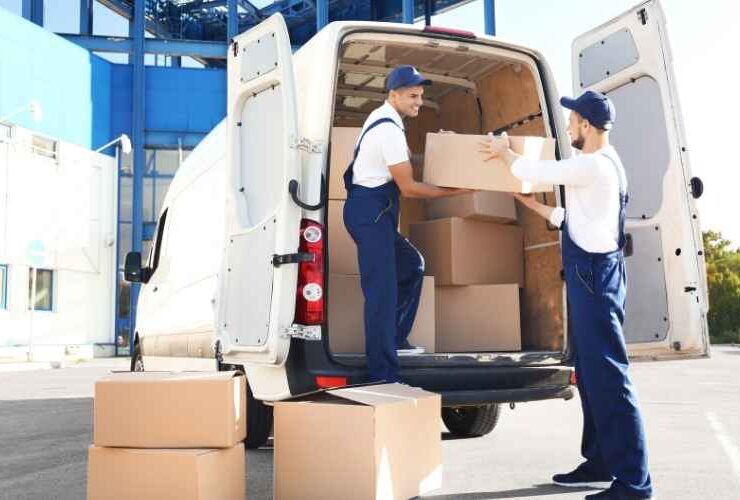
What are some excellent packing ideas for moving?
At Cargill Removals, we know that preparation is key to a smooth move. If you’re asking, “What are some excellent packing ideas for moving?“, you’re already on the right track. This guide shares practical packing tips and answers the common question, “What supplies are needed when you move?”. We’ve crafted this content using plain, clear language that’s easy to follow. Whether you’re moving locally or long-distance, these ideas will help you stay organised and avoid common pitfalls. Let’s dive straight into packing the smart way.
Choose the right boxes for the job
Using the right boxes makes your move much easier. Choose small boxes for heavy items like books or tools. Use medium and large boxes for lighter things like kitchenware, cushions, or clothes. Double-walled boxes are best for fragile or valuable items, offering added protection during the move. Don’t overfill boxes—it makes them harder to carry and easier to damage. Always keep a mix of box sizes handy so you’re ready for everything. A smart box choice saves time, effort, and keeps your belongings safe in transit.
Invest in quality packing tape
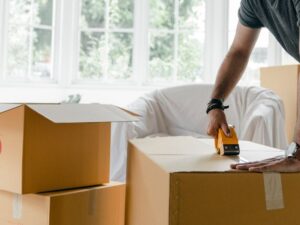
Cheap tape often comes loose or splits under pressure. That’s why strong, high-quality packing tape is essential when moving. Always go for wide tape that seals boxes tightly and holds up during lifting and transport. Tape the bottom of every box thoroughly before filling it. When sealing the top, apply another strip across the centre and sides for extra grip. Using a tape dispenser helps save time and reduces mess. Quality tape keeps your boxes secure, making your packing safer and your move smoother.
Use bubble wrap for breakables
Bubble wrap is a must for anything fragile. It cushions items like glasses, plates, mirrors, and ornaments during transport. Wrap each item separately and use several layers for added safety. Line the inside of the box with bubble wrap as well for extra protection. Fill empty spaces with crumpled paper or soft materials to prevent things from shifting around. Label these boxes as “FRAGILE” so everyone handles them carefully. Bubble wrap adds peace of mind by reducing the risk of breakage during the move.
Label each box clearly
Clear labelling helps you stay organised from the first packed box to the final unpacked item. Use a permanent marker to write the box’s contents and the room it belongs in. Label at least two sides so it’s visible from multiple angles. For fragile boxes, write “FRAGILE” in large letters. You can even colour-code boxes by room using stickers or tape. Labelling saves loads of time during unpacking and helps the removals team place boxes in the right rooms at your new property.
Pack one room at a time
Focusing on one room at a time keeps your packing structured and efficient. It avoids mixing items from different rooms, which makes unpacking far easier. Begin with rooms you use less, such as spare bedrooms or storage areas. Group similar items together, like all bedding in one box or books in another. This method also gives you a sense of progress as you complete each room. Staying organised room-by-room, reduces stress and keeps your move moving in the right direction.
Create an essentials box
An essentials box is a lifesaver on moving day. Fill it with items you’ll need straight away—think kettle, mugs, phone chargers, snacks, loo roll, and toiletries. It should also include scissors, bin bags, a small toolkit, and any medication. Label it clearly and keep it with you rather than loading it into the moving van. Having your essentials within easy reach saves you from rummaging through sealed boxes when you first arrive. A bit of early planning brings instant comfort to your new home.
Use wardrobe boxes for clothes
Wardrobe boxes are brilliant for moving clothes. They come with built-in hanging rails, allowing you to move your garments straight from the wardrobe to the box. Suits, dresses, coats, and shirts arrive wrinkle-free and ready to wear. These boxes also keep clothes clean and protected from dust or moisture. Plus, they save time—there’s no folding or ironing needed once you unpack. Wardrobe boxes are sturdy, too, and often reusable for storage. They’re a fantastic way to transport your wardrobe easily and keep everything neat.
Wrap electronics properly
Electronics need special care during packing. Use the original boxes if you have them, especially for TVs and monitors. If not, wrap screens and components in bubble wrap or thick blankets. Use strong boxes and fill gaps with foam or soft items to stop movement. Before unplugging cables, take a photo so you remember where everything goes later. Label wires and keep remote controls in a clear plastic bag. With a little care, your electronics will arrive safely and be easy to reconnect.
Disassemble bulky furniture
Large furniture can be tricky to move, so disassemble it when possible. Beds, wardrobes, and dining tables are easier to transport when taken apart. Keep all screws and fittings in clearly labelled bags and tape them to the furniture itself. Wrap parts in furniture blankets or stretch wrap to prevent scratches. Flat pieces stack better in the van and are easier to carry through doorways or up stairs. Taking things apart may take a little time now, but it makes moving day far easier.
Protect mattresses with covers
Mattresses are heavy and awkward to carry, so protect them properly. Use purpose-made mattress covers or thick plastic sheeting to keep them clean and dry. Covers stop dust, moisture, or damage during loading, transport, and unloading. Secure the cover with tape so it doesn’t slide off. Always carry mattresses upright to save space and avoid bending them. Keeping your mattress clean ensures you can sleep soundly in your new home on your very first night, without needing to clean up first.
Use towels and linen as padding
Soft items like towels, sheets, and duvet covers can double up as great packing materials. Wrap fragile items in towels or use bed linen to line boxes. This adds an extra layer of padding without spending more money on packing paper or bubble wrap. It’s also an efficient way to transport your soft furnishings. Just remember to pack the towels you’ll need immediately in your essentials box. Using your linen wisely protects your breakables and saves space in your moving boxes.
Don’t overload boxes
Overloaded boxes are difficult to lift and can burst open. Keep each box at a manageable weight—ideally around 20 kg or less. Place heavier items at the bottom and lighter ones on top to help with balance. Never fill large boxes with heavy things like books; use small boxes for those instead. A good rule of thumb is: if you can’t lift it comfortably, it’s too full. Well-packed boxes are easier to carry, safer for everyone, and help the move go more smoothly.
Keep cleaning supplies separate
You’ll need your cleaning items both before and after the move. Pack sprays, cloths, bin bags, gloves, and sponges in a separate, clearly labelled box. Make sure lids on bottles are tightly closed to avoid spills. You might want to put them inside plastic bags for extra protection. Having your cleaning supplies handy means you can give your new home a quick freshen-up as soon as you arrive. It’s also useful for any last-minute clean-up before leaving your old place.
Use stretch wrap for drawers
Stretch wrap helps keep furniture secure without removing everything from inside. Wrap the entire chest of drawers or bedside cabinet tightly. This keeps the drawers closed and the contents safely inside. It saves time because you don’t need to unpack or repack those items. Stretch wrap also protects furniture from scuffs and scratches during the move. It’s a simple way to secure furniture quickly and avoid needing to reassemble or re-pack once you’re in your new place.
Protect mirrors and frames
Mirrors and picture frames are fragile, so handle them carefully. Wrap them in bubble wrap and then place a piece of cardboard over the front and back. Secure with packing tape and label the package as “FRAGILE – GLASS.” Always stand them upright in the van rather than laying them flat, which can cause pressure cracks. You can also place them between mattresses or sofa cushions for extra protection. Proper wrapping ensures they arrive safely and ready to hang up again.
Pack tools and DIY gear safely
Gather your tools and DIY bits in one sturdy box or toolbox. Wrap sharp items like screwdrivers or blades to prevent injury. Place loose screws, nails, and fittings in sealed bags or containers. Label everything clearly so you know where to find your tools when it’s time to rebuild furniture or hang pictures. Keeping all your tools together saves you from digging through boxes later. You’ll thank yourself when you’re putting up shelves or reassembling flat-pack furniture after the move.

Plan ahead for perishables
Food items need extra thought when moving. Use up fridge and freezer items a few days before your move. If you need to take any perishable items, use insulated bags or cool boxes with ice packs. Dry goods like pasta or rice should be sealed in containers or zip bags to prevent spills. Moving is the perfect excuse to donate unopened tinned food or extras to a local food bank. A little forward planning saves waste and avoids last-minute mess.
Use suitcases for heavier items
Don’t let your suitcases sit empty—they’re perfect for moving heavy items. Use them for books, shoes, tools, or anything solid and weighty. Wheeled suitcases are easier to move than lifting boxes, especially up stairs or across long driveways. Many suitcases also have handy pockets and zips, making it easy to stay organised. It’s a smart way to reduce the number of boxes and lighten your load—literally. Just be sure not to overload them beyond what you can roll safely.
Group similar items together
Packing similar items together helps everything stay organised. Keep kitchen utensils in one box, cables in another, and books grouped together. This keeps fragile items safer and makes unpacking quicker. Avoid randomly mixing unrelated belongings into the same box. When you group items, it’s easier to keep track of what you’ve packed. It also helps prevent damage by avoiding odd-shaped combinations in a single box. Organised packing now saves loads of sorting later when you start unpacking in your new place.
Keep valuables with you
Never pack valuable items into the removals van. Important documents, jewellery, cash, and electronics should always travel with you. Use a backpack, handbag, or carry-on bag to keep these safe. You’ll feel more secure knowing where everything is. It also reduces the risk of damage or loss. If you’re travelling a long distance, make sure your valuables are accessible and protected. Having peace of mind on moving day makes everything easier and much less stressful.
Take your time to plan your packing
Start packing early to avoid last-minute stress. Begin with non-essentials like books, seasonal decorations, or spare bedding. Leave daily-use items like toiletries, cookware, and clothes until the final days. A packing plan keeps you in control and stops chaos from creeping in. It also helps you avoid forgotten items or rushed, messy boxes. Set small daily goals and stick to them. When you take the time to plan, packing becomes manageable, calm, and even satisfying.
Conclusion
At Cargill Removals, we believe great packing is the secret to a stress-free move. When you’re asking “What are some excellent packing ideas for moving?” or “What supplies are needed when you move?”, we want to give you real, practical answers. With quality supplies, smart strategies, and a bit of forward planning, your move can feel calm, smooth, and even exciting.
Need help with packing materials or want us to handle it for you? Cargill Removals is just a call away. Let’s move forward together—safely, smartly, and with a smile.
Frequently Asked Questions
What supplies are essential when moving house?
You’ll need cardboard boxes, strong packing tape, bubble wrap, labels, markers, and protective covers. Tools like a tape dispenser, stretch wrap, and furniture blankets also help.
How early should I start packing before a move?
Begin packing non-essential items at least two weeks in advance. Leave daily items until the final days.
How do I protect fragile items during the move?
Use bubble wrap, soft towels, or packing paper. Fill gaps in boxes to prevent movement and always mark boxes as “FRAGILE.”
Can I use suitcases instead of boxes?
Absolutely. Suitcases are ideal for books, shoes, or anything heavy. The wheels make moving them easier.
Should I empty drawers before moving furniture?
Not always. You can wrap furniture with stretch wrap to keep drawers shut and items inside, saving time and space.
Seamless Moving Experiences Await with Cargill Removals