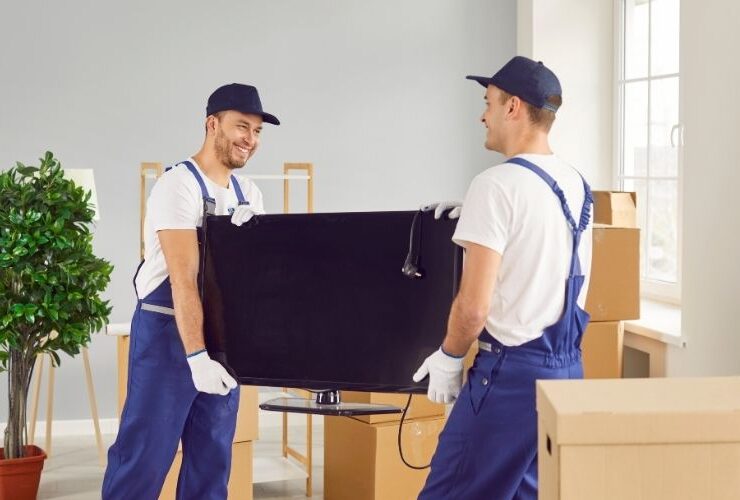
What does an office removal involve?
What Does an Office Removal Involve? Complete UK Business Moving Guide
An office removal involves much more than transporting desks, chairs and boxes between buildings. A successful relocation requires planning, inventory management, packing, technology coordination, furniture handling, transport and workplace setup.
So, what does an office removal involve in practical terms? The process usually starts with a survey of both premises. The business and removal company then create a schedule, assign responsibilities, prepare equipment, label belongings and coordinate delivery around operational requirements.
Good planning protects valuable assets and helps employees resume work sooner. Cargill Removals can support the physical and logistical stages of an office move while your management and technical teams focus on staff, customers, data and business continuity.

What Does an Office Removal Involve? Quick Answer
A typical office removal includes:
- Assessing the current and new premises
- Creating an inventory and relocation schedule
- Packing and labelling office contents
- Preparing computers and technical equipment
- Dismantling suitable furniture
- Loading and transporting business assets
- Unloading and positioning items
- Reassembling agreed furniture
- Checking the inventory and workplace
The exact service depends on office size, access, distance, equipment and the support included in your quotation. Some businesses also need storage, professional packing, evening work or phased delivery.
Start With an Office Removal Survey
Assess the current premises
The removal company should understand what the existing office contains and how the team can remove it. The assessment should cover furniture, boxes, technology, documents and specialist items. Stairs, lifts, loading areas, carrying distances and parking restrictions can influence staffing, equipment, vehicle choice and timing.
Inspect the new office
The destination requires equal attention. Check entrance widths, floor levels, lift dimensions, loading arrangements and security procedures. Confirm when the team can access the building. A destination survey helps identify furniture that may not fit and allows movers to plan efficient delivery routes through the new premises.
Discuss operational requirements
Explain your working hours, customer commitments and critical business functions. Tell the removal company whether certain departments must remain operational during the relocation. This information helps everyone evaluate phased, evening or weekend moving options and create a schedule that reflects the organisation’s priorities rather than relying on a generic timetable.
Step 1: Create a Complete Office Inventory
Record furniture and workplace equipment
List desks, chairs, filing cabinets, shelving, meeting tables and kitchen equipment. Include quantities, approximate sizes and destination rooms. Mark items that require dismantling or specialist lifting. A detailed inventory helps the removal company estimate labour, protective materials, vehicle capacity and the time required for loading and unloading.
Record technology and specialist assets
Add computers, monitors, printers, phones, networking equipment and other technology to the inventory. Record asset numbers where your organisation uses them. Identify servers, laboratory equipment, machinery or valuable devices separately because these items may need technical preparation, specialist packaging or handling beyond a standard office removal service.
Decide what will not move
Use the relocation to identify broken furniture, obsolete equipment, duplicate supplies and expired records. Decide what to sell, donate, recycle, store or dispose of through appropriate channels. Removing unwanted items before moving day reduces packing, labour and transport costs while preventing unnecessary clutter in the new workplace.
Step 2: Build an Office Moving Plan
Appoint a relocation coordinator
Choose one person to act as the main contact for employees, movers, IT providers and building managers. Give that coordinator authority to confirm practical decisions and track deadlines. Larger organisations may also appoint representatives for technology, facilities, finance, HR and each department to support the central relocation plan.
Create a realistic timeline
Work backwards from the date employees should begin working at the new office. Include surveys, quotations, packing, furniture dismantling, IT shutdown, loading, transport, delivery and testing. Add contingency time for access or technical problems. Avoid creating a schedule that depends on every task finishing without delay.
Assign clear responsibilities
Write down who will pack personal belongings, prepare shared equipment, supervise loading and approve the destination layout. Employees should understand what the removal team will handle and what remains their responsibility. Clear ownership prevents staff from assuming that someone else has completed an important relocation task.
Step 3: Plan the New Office Layout
Create a floor plan
Prepare a layout that shows departments, workstations, meeting rooms, storage areas and shared facilities. Number or colour-code each destination zone. Share the final plan with department leaders and the removal supervisor. A usable floor plan allows movers to position furniture correctly instead of placing everything in one central area.
Measure furniture and access routes
Measure large desks, shelving units, cabinets and conference tables. Compare those dimensions with entrances, corridors, staircases and lifts at the destination. Identify furniture that requires dismantling. This preparation prevents moving day delays and helps your business decide whether certain items suit the new office before paying to transport them.
Plan furniture placement
Position large furniture before deciding where boxes should go. Consider door movement, emergency routes, sockets, data points and employee circulation. Confirm the layout with facilities and IT teams. Movers can then place desks and storage units correctly, reducing the need for additional lifting after the relocation finishes.
Step 4: Pack and Label Office Contents
Use suitable packing materials
Choose durable boxes for documents, office supplies and smaller equipment. Use suitable protection for fragile belongings and electronic devices. Avoid overloading cartons with paper because they can become difficult to lift. Keep liquids, cleaning products and hazardous materials separate and confirm whether the removal company can transport them.
Apply a consistent labelling system
Label each box with the department, destination room, contents and a unique number. Add employee or workstation references where useful. Mark fragile and priority items clearly. Use labels on multiple sides so movers can identify a box even when other cartons cover its top during loading or unloading.
Maintain an inventory record
Match box numbers with your master inventory. Record the person or department responsible for each group of items. This system helps you track confidential files, locate essential equipment and confirm delivery. It also gives your organisation a structured way to report missing items without searching through every workplace area.
Step 5: Prepare Computers and IT Equipment
Coordinate with IT professionals
Decide who will disconnect, pack, transport, reconnect and test computers, servers and network equipment. A removal company may handle prepared technology, but your internal IT team or specialist provider should manage technical shutdown and installation where necessary. Confirm these responsibilities long before the moving date.
Back up important business data
Complete secure backups before anyone disconnects essential devices. Test the backups and confirm that authorised staff can restore critical information. Document network settings and workstation connections. Keep passwords, recovery details and encryption keys separate from transported equipment so staff can respond if a device becomes unavailable.
Label cables and components
Label cables, adapters, docking stations and peripherals according to the relevant employee, device or workstation. Place smaller components in sealed, numbered bags. Photograph complicated connections before disassembly. These simple actions can save considerable time when the IT team reconnects equipment at the new premises.
Protect delicate technology
Use appropriate packaging for monitors, computers, printers and communication equipment. Secure devices so they cannot move excessively during transport. Tell the removal company about unusually valuable or sensitive items. Specialist equipment may require manufacturer guidance, technical handling or environmental conditions that standard moving materials cannot provide.

Step 6: Dismantle Office Furniture
Identify furniture that needs dismantling
Large desks, tables, shelving and modular workstations may not fit through doors or lifts in their assembled form. Decide which items require dismantling during the survey. Confirm whether the quotation includes this service and whether the team will reassemble the furniture after delivery.
Keep components organised
Place screws, brackets and other fittings in labelled bags linked to the correct furniture. Avoid mixing components from multiple workstations. Photograph complex assemblies before dismantling. If furniture uses specific configurations, keep assembly instructions available so the team can rebuild each item accurately at the destination.
Step 7: Protect Documents and Confidential Information
Separate sensitive records
Identify personnel files, financial documents, contracts and other confidential records before general packing begins. Use sealed, numbered containers and restrict access to authorised staff. Avoid placing detailed descriptions of sensitive contents on external labels. Follow your organisation’s existing data-protection, retention and destruction procedures throughout the relocation.
Maintain control during transport
Record who prepares, collects and receives sensitive containers. Keep essential legal, financial and operational documents under direct company control where appropriate. If your business needs access to particular records during the move, transport them separately rather than placing them deep inside the main removal vehicle.
Step 8: Load and Transport Office Assets
Follow a structured loading plan
Professional movers should load items according to weight, shape, protection requirements and unloading order. The plan should secure heavy furniture while protecting fragile technology and finished surfaces. Priority items may need accessible positions so the team can unload and install them early at the destination.
Protect both properties
Moving teams may use furniture covers, floor protection and other materials according to the building and service agreement. Clear hallways before loading starts and notify building management about the schedule. Proper preparation helps protect doors, walls, lifts and floors while allowing the crew to work efficiently.
Coordinate the journey
Confirm the destination address, route considerations, parking and delivery window before the vehicle leaves. Keep contact details available in case traffic or building access causes delays. Businesses using several vehicles or phased deliveries should assign clear delivery sequences so each load reaches the correct location at the right time.
Step 9: Unload and Position Everything
Direct furniture to its final location
Place a representative at the new office who understands the floor plan and can answer questions. Attach visible room or department labels before unloading. Ask movers to position large furniture first because desks, cabinets and tables determine where boxes and smaller equipment can go.
Deliver boxes by department
Movers should take labelled boxes directly to their destination rooms rather than stacking everything in reception. Department-based delivery reduces internal handling and helps employees locate essential supplies. Keep priority boxes accessible and avoid blocking doors, emergency routes, electrical panels or areas that technical teams still need to access.
Reassemble agreed furniture
If the quotation includes furniture reassembly, confirm the required configuration before the team starts. Use the floor plan and labelled fittings to guide the work. Check that completed furniture remains stable and correctly positioned. Report missing components immediately while the team and moving documentation remain available.
Step 10: Inspect and Test the New Workplace
Check the delivered inventory
Compare boxes, furniture and equipment with the inventory. Record missing or visibly damaged items and photograph concerns. Follow the removal company’s reporting procedure promptly and retain packaging where necessary. Department leaders should inspect their areas rather than relying solely on one person to check the entire office.
Test essential business systems
Ask the appropriate technical professionals to reconnect and test computers, servers, telephones, printers, internet access and security systems. Confirm that employees can access necessary applications and shared files. Complete this testing before normal operations resume, especially when the business depends heavily on customer calls or online services.
Complete a safety walkthrough
Check that furniture and boxes do not obstruct emergency exits, corridors or fire-safety equipment. Remove packaging from walkways and verify that assembled furniture remains stable. Confirm that employees can use entrances, access controls and essential facilities safely before inviting the full workforce back into the office.
How to Reduce Office-Move Disruption
Use a phased relocation
Move archived files, surplus furniture and non-essential supplies before critical equipment where practical. A phased move helps some departments remain operational, but it requires careful coordination. Make sure employees know which location, systems and resources they should use during every stage of the transition.
Consider out-of-hours moving
Evening or weekend removals may reduce disruption during normal operating hours. Before choosing this option, confirm building access, security staffing, lift availability and additional charges. Ensure that IT specialists and decision-makers remain available when the physical move takes place and when employees return.
Prepare a continuity plan
Identify functions that cannot stop and arrange temporary alternatives. These may include remote working, call forwarding, cloud systems or a small operational team. Share emergency contacts and escalation procedures so employees know what to do if internet access, equipment installation or building access fails.
Why Choose Cargill Removals?
Commercial moving support
Cargill Removals can help coordinate the practical stages of an office relocation, including furniture, boxes, equipment and transportation. Sharing accurate information about both premises allows the team to assess access, staffing, vehicle requirements and timing before moving day rather than relying on assumptions.
A plan tailored to your office
Every office contains different furniture, technology and working arrangements. Cargill Removals can discuss your inventory, destination layout and preferred schedule to develop a suitable moving plan. This tailored approach helps clarify responsibilities and gives your employees a clearer understanding of what to expect.
Clear communication before the move
A successful office removal depends on accurate communication. Explain access restrictions, specialist equipment, fragile items and timetable requirements when requesting your quotation. Report changes promptly if your inventory grows or property access changes. Clear information helps the moving team prepare appropriate resources and reduce preventable delays.

Frequently Asked Questions
What does an office removal involve?
An office removal usually involves surveying both premises, preparing an inventory, planning the schedule, packing, labelling and dismantling suitable furniture. It also includes loading, transportation, unloading, placement and final checks. IT professionals may need to disconnect and reinstall servers, networks or specialist technology separately.
How long does an office removal take?
Duration depends on office size, inventory, distance, access, packing and technical requirements. A small, prepared office may move within a day, while larger or phased relocations can take longer. A survey provides the removal company with enough information to create a realistic schedule for your particular workplace.
Do office removal companies move computers?
Many commercial movers transport properly prepared computers, monitors and printers. However, technical specialists may need to disconnect and reconnect servers, network systems or specialist equipment. Back up data before the move, label cables and confirm packing responsibilities. Ask the removal company exactly what its quotation covers.
What should I do before an office removal?
Create an inventory, appoint a coordinator and prepare a destination floor plan. Confirm access, parking, lifts and working hours at both premises. Tell employees what to pack and coordinate IT shutdown and installation. Remove unwanted assets, label everything clearly and confirm the final schedule with all providers.
How can I reduce disruption during an office move?
Plan early, move non-essential items first and keep critical systems operating as long as possible. Consider phased or out-of-hours relocation where appropriate. Communicate the schedule to employees and customers, prepare temporary working arrangements and test essential technology before the workforce returns to normal operations.
Final Thoughts
What does an office removal involve? It involves a coordinated process that begins well before the removal vehicle arrives. The business must assess its assets, organise employees, prepare technology, protect information and confirm access at both premises.
The physical move then covers packing, furniture handling, loading, transport, unloading and positioning. After delivery, the business should inspect the inventory, reconnect technology and confirm that the workplace operates safely.
Cargill Removals can help businesses manage the practical side of this transition. With an accurate inventory, realistic timetable and clear communication, your office move can become a controlled relocation project instead of a last-minute interruption.
 01542 839867 or 07818 885148
 info@cargillremovals.co.uk
Seamless Moving Experiences Await with Cargill Removals