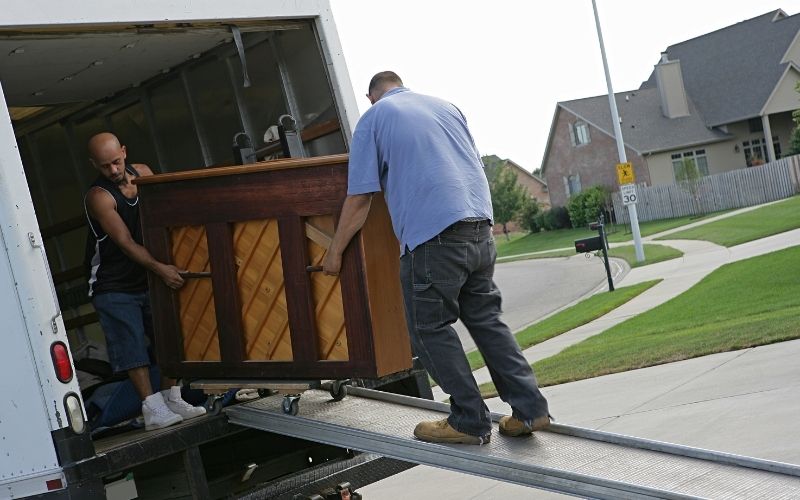
Safe Piano Moving Company Serving London-wide
Moving a piano safely takes much more than physical strength. It requires accurate planning, trained handling, suitable equipment, controlled lifting, secure loading, and careful placement. A piano combines substantial weight with delicate internal parts, polished surfaces, narrow legs, pedals, castors, and an uneven centre of gravity. One wrong movement can damage the instrument, the property, or the people carrying it.
Cargill Removals provides piano moving support across London for homeowners, tenants, landlords, schools, churches, studios, hotels, event organisers, and commercial clients. Our team plans each move around the piano type, access conditions, travel route, building rules, and final placement requirements. From an upright piano in a ground-floor room to a grand piano in a multi-storey property, every move receives a practical, safety-led plan.
Why Choose a Safe Piano Moving Company Serving London-Wide?
Specialist knowledge protects your instrument
Professional piano movers understand how weight, balance, and construction differ between upright, baby grand, grand, antique, and digital models. They identify stable lifting points, protect vulnerable areas, and select equipment that suits the route. This knowledge helps prevent cracked finishes, damaged legs, strained frames, broken pedals, and internal disruption.

Professional handling reduces injury risks
A piano may weigh between roughly 150kg and 600kg, depending on its design. Its weight does not spread evenly, so ordinary lifting methods create serious risks. Trained movers coordinate every turn, lift, and descent. They also protect doorways, floors, staircases, walls, and nearby furniture while controlling the instrument.
Careful planning prevents avoidable delays
London piano moves often involve narrow roads, controlled parking zones, loading restrictions, apartment rules, busy entrances, limited lift access, or tight staircases. A professional assessment identifies these issues before moving day. The team can then plan staffing, equipment, parking, timings, and vehicle access around the actual conditions at both properties.
Types of Pianos We Move
Upright pianos
Upright pianos suit many homes, schools, rehearsal rooms, and churches, yet their compact shape can hide considerable weight. Movers protect the keyboard, cabinet, pedals, castors, and rear structure before lifting. They use balanced handling techniques and secure trolley placement to move the piano safely through doors, corridors, lifts, and stairs.
Baby grand pianos
A baby grand usually requires more preparation than an upright piano. Movers may remove and label the legs, lyre, and pedals before placing the body onto a padded piano skid. They wrap every detached component separately, protect the lid and finish, and secure the instrument carefully inside the removal vehicle.
Grand and concert grand pianos
Grand and concert grand pianos demand detailed measurements, a larger trained team, specialist skids, strong restraints, and enough working space. Movers plan the turning radius, door clearance, staircase width, loading route, and final assembly area. Larger instruments may also require lifting equipment when normal access cannot support a controlled manual move.
Antique and high-value pianos
Antique pianos may contain aged timber, fragile veneers, decorative panels, ivory-style key coverings, delicate mechanisms, and historically important finishes. Movers use extra padding and minimise unnecessary handling. Owners should also disclose previous repairs, loose parts, existing damage, or unusual construction so the team can choose the safest, most practical moving method.
Digital and electric pianos
Digital pianos often weigh less than acoustic models, but their electronic components still need protection from impact, moisture, dust, and sudden movement. Movers disconnect accessories, secure removable stands, protect screens and control panels, and pack cables separately. Proper wrapping also prevents scratches while the instrument travels through shared entrances or commercial buildings.
Our Safe Piano Moving Process
Initial assessment and quotation
The process starts with accurate information about the piano, collection address, delivery address, access route, stairs, lifts, parking, and preferred placement. Photographs or a site visit may help with complex moves. A detailed assessment allows Cargill Removals to select the right team, equipment, vehicle, timing, and moving method.
Access and route planning
Before moving day, the team reviews door widths, hallway turns, stair angles, lift dimensions, thresholds, external steps, and vehicle access. We also consider London traffic, loading times, parking controls, and building management requirements. This preparation creates a clear route and reduces last-minute decisions around a heavy, valuable, and difficult-to-manoeuvre instrument.

Protective wrapping
Movers protect the piano with heavy-duty blankets, padded covers, corner guards, stretch wrap where appropriate, and secure straps. They pay close attention to the keyboard lid, polished cabinet, edges, pedals, legs, and castors. The wrapping method must protect the finish without trapping loose components or placing pressure on delicate areas.
Controlled lifting and movement
The team uses coordinated commands and keeps the piano balanced during every lift, turn, and change of level. Depending on access, equipment may include piano skids, dollies, heavy-duty trolleys, stair climbers, lifting straps, ramps, or hydraulic systems. Movers never rely on castors alone because many cannot support transport forces.
Secure vehicle transport
Inside the vehicle, movers position the piano to limit movement and protect it from contact with other items. Strong restraints secure the instrument during braking, turning, and uneven road conditions. The team also uses padding around vulnerable points and chooses a stable loading position that supports safe unloading at the destination.
Placement and reassembly
At the destination, movers follow the planned route and place the piano in the room selected by the customer. For grand models, they carefully reattach removed components and check stability. Customers should choose a level position away from direct heat, strong sunlight, damp walls, and sudden temperature changes whenever possible.
Piano Moving Across London Properties
Houses, flats, and apartments
Residential moves can involve front steps, narrow Victorian hallways, basement rooms, communal entrances, lift bookings, or upper-floor access. Cargill Removals adapts the plan to the property rather than forcing one standard method. Clear measurements and access information help the team protect both the piano and the home throughout the move.
Schools, churches, and music venues
Institutional and performance spaces often have fixed schedules, safeguarding rules, loading windows, stage access, or public activity. We coordinate collection and delivery around these requirements. The team can move upright, digital, grand, and performance pianos between classrooms, halls, churches, studios, rehearsal rooms, hotels, event spaces, and concert locations.
Protecting Every Part of Your Piano
Exterior surfaces and structural components
The cabinet, lid, legs, pedals, castors, edges, and decorative finish can suffer scratches, chips, dents, or pressure damage during an unplanned move. Proper padding, stable lifting points, and controlled handling protect these areas. Movers also avoid placing straps over fragile trim or using protruding parts as lifting handles.
How to Prepare for Moving Day
Clear the route and share access details
Remove shoes, rugs, tables, plants, boxes, and other obstacles from the planned route. Tell the team about stairs, narrow turns, weak flooring, lift limits, parking restrictions, or building time slots. Accurate information matters more than optimistic estimates because the team must bring equipment that matches the real access conditions.
Why Customers Choose Cargill Removals
A tailored plan for every move
No two piano moves share exactly the same access, instrument, distance, or placement requirements. Cargill Removals builds the plan around the information customers provide. This practical approach supports safer handling, clearer scheduling, suitable staffing, and better preparation for stairs, restricted entrances, parking controls, unusual dimensions, or delicate finishes.
Clear communication from collection to delivery
Customers need straightforward information before trusting a team with a valuable instrument. We discuss access, timing, preparation, and placement requirements before moving day. During the move, the team coordinates each stage carefully and keeps the customer informed about relevant changes, access issues, or decisions that could affect safe delivery.
Piano Moving Costs in London
What affects the price?
Piano moving costs depend on the instrument type, size, weight, distance, stairs, access restrictions, parking, staffing, dismantling needs, lifting equipment, and delivery conditions. A ground-floor upright move usually requires fewer resources than a grand piano move involving stairs or external lifting. Accurate details help produce a more reliable quotation.
How to request an accurate quote
Provide the piano make or type, approximate dimensions, clear photographs, full addresses, floor levels, step counts, lift measurements, doorway widths, parking details, and preferred dates. Mention difficult turns or restricted loading times. The more accurate the information, the easier it becomes to plan safely and avoid unexpected changes on moving day.

Frequently Asked Questions
Why should I hire a safe piano moving company serving London-wide?
Specialist movers understand piano weight, balance, construction, access planning, protective wrapping, and vehicle restraint. They use suitable equipment and coordinated lifting methods to reduce injury and damage risks. Hiring professionals also protects your floors, walls, stairs, and doorways while giving your instrument a structured move from collection through final placement.
How long does a piano move usually take?
A straightforward ground-floor move may take a few hours, while stairs, restricted access, dismantling, parking delays, long travel, or large grand pianos can extend the schedule. Professional movers prioritise controlled handling rather than speed. An accurate assessment gives the best indication of likely timing for your specific collection and delivery conditions.
Can you move a piano upstairs or downstairs?
Yes, where the access and structure allow a safe method. Movers measure staircase width, landing space, turns, headroom, step condition, and entry points before choosing equipment and staffing. Some moves may require specialist lifting systems or an alternative access route. A detailed assessment determines the safest practical approach for the property.
Should I tune my piano immediately after moving?
Most owners should allow the piano time to adjust to its new temperature and humidity before tuning. A common waiting period ranges from two to four weeks, but the ideal timing depends on the instrument and environment. Ask a qualified piano technician for advice if the piano has special maintenance or performance requirements.
How should I prepare before the movers arrive?
Clear the route, remove loose items from the piano, secure children and pets, confirm parking, and tell the team about stairs, lifts, narrow doors, or building restrictions. Photograph the piano and note existing damage. At the destination, choose the intended position in advance so the team can place it correctly.
Book a Safe Piano Move Across London
A piano deserves a moving plan that reflects its weight, value, construction, and personal importance. Cargill Removals supports London customers with careful assessment, specialist handling, protective materials, suitable moving equipment, secure vehicle restraint, and considerate placement.
Whether you need to move an upright piano between homes, deliver a baby grand to a music room, relocate an antique instrument, or transport a performance piano to a venue, our team can plan the work around your access and schedule. Contact Cargill Removals with photographs and property details to request a tailored piano moving quotation.
 01542 839867 or 07818 885148
 info@cargillremovals.co.uk
Seamless Moving Experiences Await with Cargill Removals