Reliable packing experts for fragile households
Moving home becomes more demanding when your belongings include glassware, antiques, artwork, mirrors, televisions, computers, musical instruments, ceramics, or irreplaceable family heirlooms. These possessions need more than ordinary boxes and quick wrapping. They require suitable materials, careful handling, organised labelling, and secure loading.
Reliable packing experts for fragile households assess each item before choosing the correct protection. They consider material, weight, shape, surface finish, replacement value, and sensitivity to pressure or vibration. This method reduces avoidable movement, scratches, cracks, and impact damage throughout packing, loading, transport, and unloading.
Professional packing support also saves time. Instead of spending evenings wrapping delicate objects without knowing whether the protection will work, homeowners can focus on paperwork, utilities, children, pets, and preparing the new property.
Cargill Removals can provide agreed packing, removal, transport, unloading, and storage support for different household requirements. Clear communication and accurate information help the team prepare appropriate materials and create an organised moving plan.

Why Reliable Packing Experts for Fragile Households Matter
Fragile Items Need Individual Assessment
A mirror, crystal glass, television, marble ornament, and antique cabinet cannot share one packing method. Each item reacts differently to pressure, vibration, moisture, and impact. Professional packers assess these characteristics before selecting wrapping, cushioning, cartons, corner protection, or furniture blankets. Individual assessment prevents unsuitable materials from creating additional risks.
Sentimental Value Can Exceed Replacement Cost
Some household belongings carry memories that money cannot replace. Family photographs, inherited ornaments, wedding china, handmade objects, and heirlooms may hold emotional importance across generations. Reliable packing experts treat these possessions carefully, create clear inventories, and use appropriate protection to reduce the chance of loss or damage.
Understanding Fragile Household Items
Glass, China, and Ceramics
Glasses, plates, bowls, ornaments, and porcelain require individual wrapping and controlled spacing. The Packers should never place delicate pieces loosely inside cartons. They use cushioning between items, protect vulnerable edges, and fill empty spaces to reduce movement. Heavy ceramic pieces need strong cartons that support their weight without collapsing.
Artwork, Mirrors, and Picture Frames
Artwork and mirrors contain vulnerable surfaces, corners, glass, frames, and hanging fittings. Professional packers may use surface protection, corner guards, reinforced wrapping, picture cartons, or custom solutions depending on size and value. They also avoid placing pressure directly against glass or painted surfaces during stacking and transport.
Electronics and Computer Equipment
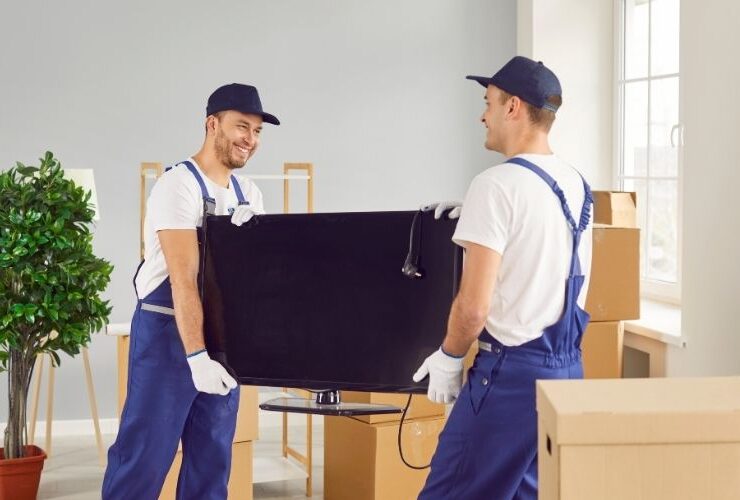
Televisions, monitors, computers, printers, speakers, and gaming equipment can suffer from impact, static, moisture, and poorly secured cables. Original packaging often provides the best fit when available. Otherwise, packers use suitable cartons, protective inserts, anti-static materials where appropriate, and clear labels for accessories and connections.
Antiques and Specialist Belongings
Antique furniture, clocks, musical instruments, sculptures, collectables, and marble objects may require dismantling, custom protection, or specialist advice. Age, construction, previous repairs, and surface finish can affect handling. Owners should identify valuable or unusually delicate pieces during the quotation stage so the removal company can plan suitable resources.
Benefits of Professional Packing Services
Better Protection Through Suitable Materials
Professional packers match materials to the item rather than using one type of wrapping for everything. Strong cartons, packing paper, foam, covers, blankets, corner guards, and cushioning work together to control impact and movement. Correct material selection improves protection and reduces waste caused by unnecessary or poorly applied packaging.
Faster and More Organised Packing
Packing an entire home can take several days or weeks without a structured system. Experienced teams work room by room, group compatible items, label cartons, and maintain clear access routes. This organised approach reduces confusion, supports safer lifting, and makes unloading and unpacking more efficient at the destination.
Reduced Pressure on the Household
Moving already requires address changes, property access, utilities, cleaning, key collection, childcare, and transport planning. Professional packing removes a major physical and time-consuming responsibility. Homeowners can focus on essential decisions while trained packers prepare fragile belongings using consistent methods and clearly defined handling instructions.
Packing Materials Used for Fragile Belongings
Strong Cartons and Specialist Boxes
Double-walled cartons provide better support than thin, reused boxes. Dish cartons, wardrobe boxes, television cartons, and picture boxes can protect particular categories more effectively. The correct box should match the item’s dimensions and weight. Excessively large cartons create movement, while overloaded boxes can split or become unsafe to lift.
Cushioning and Surface Protection
Packing paper, foam sheets, bubble cushioning, corner protectors, blankets, and soft covers protect surfaces and absorb movement. Packers should avoid placing adhesive tape directly on polished, painted, fabric, or antique surfaces. The material must protect the item without trapping moisture, transferring colour, or damaging delicate finishes.
Tape, Labels, and Inventory Systems
Strong tape secures cartons, but clear labelling supports the entire moving process. Labels should identify the destination room, contents, orientation, and handling requirements. Numbered cartons can connect to an inventory. This system helps customers track valuable belongings and directs movers to handle and position fragile boxes correctly.
How Professional Packers Prepare a Fragile Household Move
Step 1: Complete a Property Assessment
The packing team reviews the number of rooms, volume of belongings, fragile categories, access, and moving schedule. Customers should identify antiques, artwork, instruments, electronics, collections, and sentimental possessions. Accurate information allows the team to estimate materials, labour, specialist protection, and time more reliably.
Step 2: Create a Packing Plan
A detailed plan establishes the packing order, materials, room sequence, priority items, and customer responsibilities. Packers usually begin with non-essential belongings and leave everyday items until later. The plan should also identify possessions the customer will transport personally, including documents, medication, jewellery, keys, and confidential information.
Step 3: Wrap Items Individually
Professional packers wrap delicate objects separately so surfaces and edges do not strike each other. They position heavier items carefully, protect vulnerable sections, and avoid excessive pressure. Individual wrapping matters particularly for china, ornaments, framed pictures, lamps, electronic devices, and objects with protruding or irregular parts.
Step 4: Control Movement Inside Each Carton
Empty space allows fragile items to shift during braking, turning, loading, and unloading. Packers use suitable cushioning to limit movement without compressing delicate objects. They also balance weight across the carton and avoid mixing heavy items with lightweight pieces that could crack under pressure.
Step 5: Label, Record, and Prepare for Loading
After sealing each carton, packers apply room labels, fragile markings, orientation instructions, and inventory numbers where required. Clear records help the loading team identify boxes that need careful placement. They also make delivery checks and room-by-room unpacking easier after the household reaches the new property.
Common Packing Mistakes to Avoid
Using Weak or Damaged Boxes
Old cartons may contain weakened seams, moisture damage, or crushed corners. These problems reduce structural strength and increase the chance of collapse. Use clean, sturdy boxes suited to the item’s weight. Reinforce cartons only when the underlying structure remains sound and appropriate for moving.
Overfilling or Underfilling Cartons
Overfilled boxes may split, become difficult to lift, or place pressure on fragile contents. Underfilled boxes allow movement and may collapse when stacked. Use appropriately sized cartons, distribute weight evenly, and fill empty spaces with suitable cushioning. Every packed box should remain stable, secure, and manageable.
Mixing Heavy and Delicate Items
Books, tools, or dense ornaments can crush glassware, ceramics, and lightweight decorations. Group items according to weight and fragility. Place heavier suitable objects at the bottom and lighter items above them, but avoid excessive stacking pressure. Separate highly delicate possessions when their materials or shapes create conflicting packing requirements.
Forgetting Labels and Handling Instructions
An unlabelled box may receive unsuitable placement during loading or arrive in the wrong room. Mark fragile cartons clearly and include orientation instructions where necessary. However, labels cannot replace proper packing. The contents must remain protected even when normal vibration and movement occur during transport.

Protecting Fragile Items During Loading and Transport
Use an Organised Loading Sequence
Strong packing alone cannot prevent every problem if loaders place fragile cartons beneath heavy furniture or unsecured objects. Professional movers plan the loading order, position dense items safely, and keep delicate boxes away from crushing pressure. They also use available vehicle space carefully to reduce movement during the journey.
Secure Furniture and Large Fragile Pieces
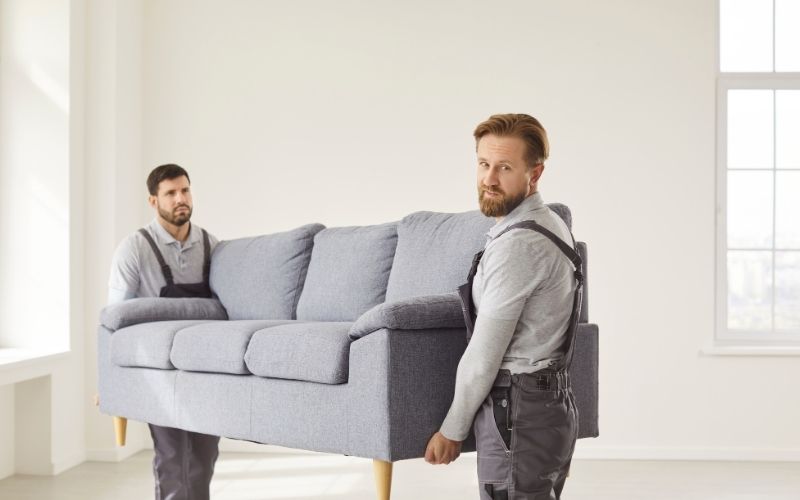
Mirrors, glass tables, cabinets, artwork, and televisions require stable placement and suitable restraints. Movers may use blankets, straps, covers, and separation materials to prevent rubbing or impact. Large items should not lean against unstable boxes or move freely when the vehicle brakes, turns, or travels over uneven roads.
Consider Distance and Route Conditions
Long-distance moves expose belongings to longer periods of vibration and more handling stages. Packers should account for journey length, road conditions, storage, and transfers between vehicles where relevant. Customers should explain the full relocation plan so the team can choose protection that matches the actual transport conditions.
Preparing Before the Packing Team Arrives
Declutter and Identify What Will Move
Sort belongings into keep, donate, sell, recycle, dispose, and store categories before professional packing begins. Removing unwanted items reduces materials, labour, transport volume, and unpacking time. Avoid leaving final decisions until packers arrive, as uncertainty can interrupt the schedule and increase the chance of packing unnecessary possessions.
Separate Personal and Restricted Items
Keep passports, medication, cash, jewellery, keys, legal papers, chargers, and essential clothing together. Ask the removal company which items it cannot pack or transport. These may include hazardous materials, flammable products, certain chemicals, perishable food, or other restricted belongings. Follow the company’s guidance before moving day.
Photograph and Record Valuable Possessions
Create a written and photographic inventory of antiques, artwork, electronics, collections, and sentimental belongings. Record existing marks or damage before packing. This information supports organisation and allows you to check items after delivery. Keep purchase records, valuations, or serial numbers where they remain relevant and available.
Insurance and Service Questions to Ask
Confirm What the Quotation Includes
Ask whether the quotation covers materials, labour, packing, unpacking, dismantling, storage, and disposal of used packaging. Clarify possible additional charges for difficult access, extra items, waiting time, or date changes. A detailed written quotation prevents misunderstandings and allows you to compare services fairly.
Review Insurance and Liability Information
Ask what insurance or liability arrangements apply to professionally packed and owner-packed belongings. Check exclusions, valuation limits, notification requirements, and claim procedures. High-value items may require separate declarations or specialist cover. Customers should read the terms carefully rather than assuming every possession automatically receives unlimited protection.
Why Choose Cargill Removals?
Flexible Packing and Removal Support
Cargill Removals can provide agreed packing, loading, transport, unloading, furniture handling, and storage services for households with different needs. Customers should explain fragile categories, access restrictions, journey distance, and valuable items before booking. Accurate information helps the team prepare a practical and suitable moving plan.
Clear Communication Supports Better Results
A reliable packing service depends on communication between the customer and removal team. Identify sentimental, valuable, damaged, or unusually shaped belongings early. Confirm timing, materials, responsibilities, insurance information, and restricted items. Clear expectations help the team work efficiently and allow customers to prepare confidently.
Frequently Asked Questions
1. Why Should I Hire Reliable Packing Experts for Fragile Households?
Professional packers use appropriate materials, individual wrapping, secure cartons, and organised labelling to protect delicate possessions. They also save time and reduce packing stress. Their experience helps prevent common mistakes involving weak boxes, poor cushioning, excess movement, unsuitable stacking, and incorrect handling during transport.
2. What Fragile Items May Need Professional Packing?
Mirrors, artwork, televisions, computers, glass furniture, china, ceramics, crystal, lamps, antiques, instruments, collectables, marble objects, and family heirlooms may benefit from professional packing. The right method depends on size, weight, shape, material, value, surface finish, and sensitivity to movement or pressure.
3. How Do Professional Packing Services Reduce Moving Stress?
Professional teams supply materials, organise belongings, pack room by room, and label boxes for delivery. This removes a major task from the household’s schedule. Customers can focus on documents, utilities, children, pets, cleaning, and property access while specialists prepare fragile items for transport.
4. Which Packing Materials Protect Fragile Belongings?
Useful materials include strong double-walled cartons, packing paper, foam sheets, bubble cushioning, furniture blankets, corner protectors, dish boxes, television cartons, picture boxes, covers, and strong tape. Professionals choose materials according to the item rather than applying the same protection to every possession.
5. How Should I Prepare Before the Packing Team Arrives?
Declutter, identify fragile belongings, create an inventory, and separate personal items that you will carry yourself. Tell the team about antiques, electronics, artwork, existing damage, and special handling needs. Clear work areas, confirm access, and review the company’s restricted-item guidance before packing begins.

Conclusion
Protect Fragile Belongings with Careful Planning
Reliable packing experts for fragile households combine item assessment, suitable materials, careful wrapping, clear labelling, and organised loading. This structured approach helps protect financial and sentimental possessions while reducing the time and pressure involved in preparing an entire home for relocation.
Cargill Removals can support customers with suitable packing, moving, transportation, and storage services. By sharing accurate details, reviewing the quotation, understanding insurance terms, and identifying delicate belongings early, homeowners can prepare for a safer and more organised move.
Professional packing cannot remove every possible risk, but it can significantly reduce avoidable mistakes and give each fragile item the level of protection it requires throughout the moving journey.
 01542 839867 or 07818 885148
 info@cargillremovals.co.uk
Seamless Moving Experiences Await with Cargill Removals