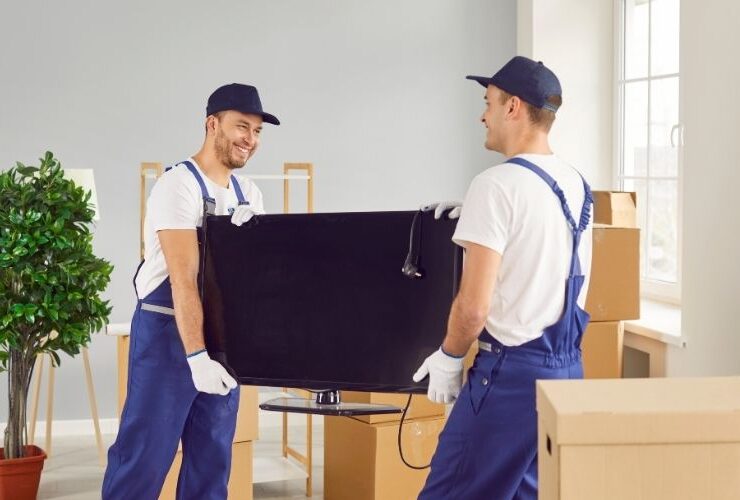
Professional house relocations
Professional House Relocations: A Complete Guide to Moving Home
Moving home brings excitement, but the practical work can quickly become demanding. Packing possessions, protecting furniture, arranging transport, managing keys and meeting completion dates all require careful coordination. Professional house relocations can make this process easier by combining planning, experienced handling, suitable vehicles and organised moving support.
A professional removal service allows you to focus on property paperwork, utilities, family arrangements and settling into your new home while trained movers manage much of the physical relocation.
Cargill Removals provides home and office removals, professional packing support, man-and-van services, courier solutions and local and long-distance deliveries. Based in Buckie, the company supports customers who need practical moving services across the UK.
This guide explains how professional house relocations work, how to prepare, what to expect on moving day and how to choose a suitable moving company.

What Are Professional House Relocations?
Professional house relocations involve experienced movers handling some or all of the physical tasks required to transfer household belongings from one property to another. Customers can choose a level of support that reflects the size, complexity and distance of their move.
Services Included in a Professional House Move
A relocation service can include packing, furniture protection, loading, transportation, unloading and placement of belongings at the new property. Some companies also provide packing materials, storage, dismantling, reassembly and man-and-van services. Always check the quotation because individual packages and service levels can differ between customers.
Why Professional Support Makes a Difference
Moving independently often requires you to organise vehicles, lifting help, equipment and packing while managing property-related responsibilities. Professional movers bring experience and a structured process. This support can reduce physical workload, improve organisation and give you more time to deal with paperwork, utilities and other essential moving tasks.
Why Choose Professional House Relocations?
Hiring experienced movers can provide practical advantages when your move involves substantial furniture, fragile belongings, difficult access or a long journey. Professional help becomes particularly valuable when you need to complete the relocation within a fixed timeframe.
Reduce Physical Strain and Handling Risks
Sofas, wardrobes, appliances and large tables can become difficult to move through stairs and narrow doorways. Professional movers understand lifting techniques, carrying routes and furniture positioning. Appropriate handling reduces unnecessary strain and can lower the risk of accidental damage to belongings, floors, doors and walls.
Keep the Move Organised
A planned relocation gives each stage a clear sequence. Movers can prepare for vehicle space, access conditions, bulky items and fragile possessions before moving day. Better organisation helps prevent delays and stops the move from becoming a collection of last-minute decisions once the removal vehicle arrives.
Save Valuable Time
Packing, carrying, loading and unloading an entire household can consume significant time. Professional assistance allows customers to delegate demanding physical work while concentrating on important responsibilities. This can prove especially useful for families, busy professionals, older customers or anyone relocating within a limited timeframe.
Step 1: Confirm Your Moving Date and Timeline
A successful house relocation starts with a realistic schedule. Establish your target moving date as early as possible and work backwards to identify important preparation deadlines.
Consider Property and Personal Commitments
Factor in completion dates, tenancy arrangements, work schedules, school commitments and access to both homes. Avoid assuming every element will happen at exactly the same time. A flexible plan helps you respond if key collection, property handover or another part of the moving process changes unexpectedly.
Create a Simple Moving Schedule
Break preparation into manageable stages such as decluttering, packing, confirming movers and completing final checks. Schedule non-essential packing first and everyday items later. A written timeline prevents tasks from building up in the final few days and gives you a clearer view of progress.
Step 2: Assess and Declutter Your Belongings
Moving home creates an ideal opportunity to review what you own. Transporting unwanted belongings uses packing materials, vehicle space and labour unnecessarily.
Decide What You Really Need
Walk through each room and separate belongings into keep, sell, donate, recycle and dispose categories. Pay particular attention to garages, lofts, sheds and storage cupboards. Completing this process before requesting your final quotation can give the removal company a more accurate picture of the actual load.
Create a Basic Household Inventory
List major furniture, appliances and unusually large or fragile items. An inventory helps you communicate clearly with movers and reduces the chance of forgetting items outside the main living areas. It can also help you plan where larger furniture will go in your new home.
Step 3: Request a Detailed Moving Quote
A reliable quotation should reflect the actual requirements of your move. Provide accurate information rather than trying to estimate the smallest possible load.
Give the Removal Company Accurate Details
Explain property size, number of rooms, access conditions, moving distance and expected volume of belongings. Mention stairs, narrow entrances, parking restrictions and large furniture. Accurate information allows movers to plan labour, vehicle capacity and timing more effectively and reduces the likelihood of unexpected changes later.
Compare What the Quotation Includes
Do not compare removal companies using price alone. Check whether the quote includes loading, unloading, furniture protection, travel, packing, dismantling or additional support. Ask about possible extra costs, payment terms and service conditions so you understand the full package before making a decision.
Step 4: Start Packing in the Right Order
Packing gradually helps protect possessions and prevents unnecessary pressure during the final week. Begin with belongings that you rarely use and leave everyday essentials until closer to moving day.
Pack Non-Essential Items First
Seasonal clothes, spare kitchenware, books, decorations and items from guest rooms can usually enter boxes early. Work through one room at a time rather than packing randomly. This approach keeps the property more organised and makes it easier to track what still requires attention.
Label Every Box Clearly
Write the destination room and a short description on every box. Labels such as “Kitchen – Glassware” or “Bedroom – Bedding” help movers place boxes correctly and simplify unpacking. Mark fragile items clearly and avoid using vague labels that give no useful information about the contents.
Avoid Overloading Boxes
Use small boxes for heavy books, tools and dense kitchen items. Larger boxes suit lighter belongings such as bedding and clothing. Strong, manageable boxes make lifting safer and reduce the risk of packaging tearing during loading, transportation or unloading.
Step 5: Protect Valuable and Fragile Belongings
Fragile possessions need more attention than ordinary household items. Plan their packing before moving day rather than wrapping them quickly at the last moment.
Use Appropriate Protective Materials
Wrap glassware, artwork, mirrors, electronics and delicate decorative objects using suitable protective materials. Use strong boxes and prevent items from moving freely inside them. Furniture blankets, padding and corner protectors can also reduce scratches and impact damage on larger pieces during handling.
Keep Essential Valuables With You
Carry jewellery, important documents, medication, keys, identification and other irreplaceable personal items yourself where practical. Keep these possessions separate from general boxes so you can access them throughout the move without searching through the removal vehicle.

Step 6: Prepare Furniture and Property Access
Professional house relocations become easier when movers can reach your furniture safely and load the vehicle without unnecessary obstacles.
Measure Large Furniture in Advance
Measure oversized wardrobes, sofas, tables and other bulky pieces when access appears tight. Compare dimensions with doorways, staircases and corridors at both properties. If furniture requires dismantling, discuss this before moving day so everyone understands who will complete the work.
Clear Carrying Routes
Remove shoes, boxes, rugs and other obstacles from hallways and entrances. Keep children and pets away from loading areas where possible. Clear access gives movers more space to carry large items safely and reduces the risk of trips or accidental damage.
Confirm Parking and Vehicle Access
Check whether the removal vehicle can park close to both properties. Tell the moving company about narrow roads, controlled parking or long carrying distances. Resolving access issues before moving day can save time and help the team prepare suitable arrangements.
Step 7: Prepare an Essentials Box
The first evening in a new home becomes much easier when you can access important everyday items without opening multiple boxes.
Pack Immediate Household Essentials
Include phone chargers, toiletries, basic kitchenware, towels, snacks, drinks, medication and a change of clothes. Families may also need children’s items or pet supplies. Keep this box or bag clearly identified so it does not disappear underneath less important belongings during unloading.
Keep Important Documents Accessible
Store property information, removal company contact details, identification and relevant paperwork in a safe place that remains with you. You may need some documents unexpectedly, so avoid packing them into a box that could sit at the back of the removal vehicle.
Step 8: Manage Moving Day Efficiently
Good preparation allows movers to concentrate on loading and transport instead of dealing with unfinished packing or unclear instructions.
Complete a Final Walkthrough
Check cupboards, drawers, loft spaces, garages and outdoor storage areas before leaving. Look behind doors and in rooms that may appear empty at first glance. A deliberate final inspection reduces the chance of leaving possessions behind after the removal vehicle departs.
Keep Communication Clear
Tell the moving team which items require extra care and identify belongings that should not enter the vehicle. Make sure someone remains available to answer questions about access or furniture placement. Clear communication prevents avoidable confusion during the busiest part of the relocation.
Step 9: Organise Unloading at Your New Home
The move continues after the vehicle reaches your new property. Good unloading decisions can save hours of unnecessary lifting later.
Direct Furniture to the Correct Rooms
Decide where major furniture will go before movers carry it inside. A basic room plan can help. Positioning beds, wardrobes and sofas correctly during unloading reduces the need to move heavy items again after the removal team leaves.
Use Box Labels to Simplify Unpacking
Ask movers to place labelled boxes in their intended rooms instead of creating one large stack near the entrance. This gives you more space and allows you to unpack gradually according to priority rather than repeatedly carrying boxes around the property.
Practical Tips for Successful House Relocations
Successful moves usually depend on consistent preparation rather than one complicated technique. Small organisational steps can make professional removal support more effective.
Start Early and Work Room by Room
Avoid attempting to pack the entire property in the final few days. Begin early and complete one area before moving to another. A room-by-room approach makes progress easier to measure and reduces the chance of mixing unrelated belongings.
Communicate Changes Promptly
Tell your removal provider if the moving date, quantity of belongings, access arrangements or furniture requirements change. Last-minute surprises can affect vehicle space, staffing and timing. Early communication gives the company a better opportunity to adjust the moving plan.
Prepare Both Properties
Think about unloading as carefully as loading. Confirm access, parking and key arrangements at the destination. If possible, clean important rooms and decide furniture positions before arrival. Preparing the new property helps movers work efficiently and allows you to settle in more quickly.
Why Choose Cargill Removals?
Choosing a removal provider should involve service quality, communication and suitability for your individual move rather than price alone.
Home and Office Moving Support
Cargill Removals offers home and office removals alongside packing, man-and-van, courier and delivery services. Customers can discuss their requirements and choose support according to the size, distance and practical demands of their move rather than relying on a single standard package.
Local and Long-Distance Solutions
The company supports local and longer-distance moving requirements across the UK. Long-distance relocations need clear collection, transport and delivery arrangements, so customers should discuss timing, access and any special belongings before confirming the booking.
Personalised Moving Requirements
Different households need different levels of assistance. Some customers want transport and loading only, while others need packing support or additional moving help. Discussing these requirements before moving day allows the service to reflect the customer’s circumstances more accurately.
Why People Trust Professional Movers
Trust matters because removal teams handle household possessions that may carry substantial financial or sentimental value.
Look for Clear Business Information
Before booking, check contact information, service descriptions and available customer feedback. A professional company should make it easy to understand how to make enquiries and what services it offers. Clear information helps customers research the provider before committing to a move.
Expect Straightforward Communication
A trustworthy mover should provide realistic information about costs, timings and practical requirements. Customers should feel comfortable asking questions about access, fragile possessions and included services. Good communication builds confidence and helps both parties prepare properly.
How to Choose the Right Moving Company
The right provider should match the scale and complexity of your relocation.
Compare Experience and Services
Consider relevant moving experience, service coverage, packing options, vehicle requirements and additional support. A provider that can meet your actual requirements may offer better value than a cheaper quotation that excludes important services you later need.
Review Terms and Protection
Ask about insurance arrangements, payment requirements, cancellations and possible extra charges. Valuable or unusual belongings may require additional discussion. Understanding the terms before moving day reduces uncertainty and gives you an opportunity to resolve concerns early.
Making Long-Distance House Relocations Easier
Long-distance moves require additional planning because belongings spend more time in transit and collection and delivery timings become more important.
Prepare for the Journey
Pack carefully, label boxes clearly and confirm destination access before departure. Keep essentials with you rather than inside the removal vehicle. Discuss anticipated timings and any restrictions at the destination so movers can prepare for the full journey.
Confirm Delivery Arrangements
Make sure someone can access the destination when the removal vehicle arrives. If timings depend on keys or property completion, explain this to the moving company before the move. Clear arrangements help reduce waiting and make long-distance relocations easier to coordinate.

Frequently Asked Questions
1. What Do Professional House Relocations Include?
Professional house relocations can include packing, furniture protection, loading, transportation, unloading and furniture handling. Some providers also offer packing materials, storage, dismantling and man-and-van services. The exact package varies, so request a detailed quotation and confirm what your chosen service includes before booking.
2. How Early Should I Book Professional House Relocations?
Book as early as your moving plans reasonably allow, especially when you need a specific date. Early contact gives you more time to arrange surveys, packing, access and other requirements. Busy periods may have limited availability, so avoid leaving your booking until the final few days.
3. Can Professional Movers Pack My Entire House?
Many removal companies offer full or partial packing services. Professional packing can save time and provide an organised approach to protecting household belongings. Ask which materials the company provides, what the service covers and whether any specialist or high-value items require separate arrangements.
4. Are Professional House Relocations Suitable for Long-Distance Moves?
Yes. Professional movers can provide valuable support for longer journeys that require careful packing, loading and delivery coordination. Confirm that your chosen company covers the destination and discuss access, timings, specialist items and any additional requirements before confirming your relocation.
5. How Can I Make a House Relocation Less Stressful?
Start early, declutter before packing and label every box clearly. Keep documents, medication and everyday essentials separate. Tell movers about difficult access, fragile belongings and oversized furniture in advance. Clear preparation and communication make the physical relocation easier to manage.
Conclusion
Professional house relocations can make moving home safer, more organised and easier to manage. Experienced movers can support packing, furniture handling, loading, transportation and unloading while customers focus on paperwork, family arrangements and settling into their new property.
The best results come from preparation. Confirm your moving date early, declutter before packing, create an inventory and provide accurate access information. Protect fragile belongings carefully and keep valuables and essentials accessible throughout moving day.
For customers considering professional moving support, Cargill Removals provides home and office removals, packing assistance, man-and-van services and local and long-distance delivery solutions. Discussing your requirements in advance can help create a service that suits the scale and complexity of your move.
A successful relocation involves more than transporting possessions between two addresses. It requires planning, communication and responsible handling from the first packed box to the final piece of furniture placed in your new home.
 01542 839867 or 07818 885148
 info@cargillremovals.co.uk
Seamless Moving Experiences Await with Cargill Removals