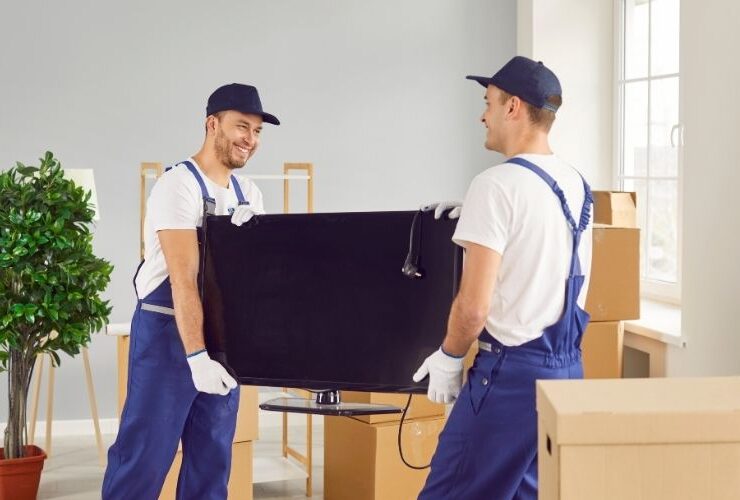
Professional business removals
Professional Business Removals: A Complete Guide to Planning a Smooth Business Move
Moving a business takes careful planning, clear communication and reliable coordination. Unlike a simple household move, a commercial relocation can affect employees, customers, IT systems, documents, equipment, stock and day-to-day operations. Even a small delay can interrupt productivity if the business does not prepare properly.
Professional business removals help companies manage these challenges in a structured way. A professional removal team can support packing, furniture handling, transportation, unloading, storage and final placement while working around the needs of the business.
The most successful relocations start before moving day. Businesses should assess their current premises, create an inventory, identify priority equipment, review access at both locations and establish a realistic timetable.
Cargill Removals can discuss these practical requirements with businesses and help develop a relocation plan around the property, inventory and preferred schedule. Accurate information allows the moving team to understand what the job involves before work begins.
This guide explains how professional business removals work, what services companies may need and how to prepare for a smoother commercial relocation.

What Are Professional Business Removals?
Professional business removals involve the organised relocation of workplace furniture, equipment, documents, stock and other commercial belongings from one property to another. The process may include planning, packing, loading, transportation, unloading, furniture placement and storage depending on the requirements of the business.
How business removals differ from home moves
A business move usually involves operational deadlines as well as physical belongings. Employees may need computers, documents and workstations immediately after relocation. Companies may also need to coordinate building access, IT support and different departments. These factors make detailed planning particularly important before commercial movers arrive.
Who can use professional business removals?
Professional removal services can support small offices, larger workplaces, shops, professional practices, commercial units and other business environments. Each relocation has different requirements, so the moving plan should reflect employee numbers, furniture volume, equipment, access conditions, travel distance and the time available to complete the move.
Why Careful Business Removal Planning Matters
Good planning helps companies reduce confusion, protect important assets and organise the move around normal business requirements. Starting early also gives managers time to solve access, staffing and equipment issues before they develop into problems on moving day.
Reducing unnecessary downtime
Downtime can affect employees, customers and business operations. A clear moving schedule helps identify which areas should move first and which equipment employees need immediately. Businesses can also consider phased, evening or weekend relocations where these arrangements suit the premises, removal company and operational requirements.
Keeping employees organised
Employees should know what they need to pack, label or prepare before the move. Clear instructions reduce the risk of forgotten belongings, incorrectly labelled boxes and unnecessary confusion. Assigning department responsibilities can also help management coordinate a larger relocation without relying on one person to organise everything.
Managing workplace safety
Moving desks, filing cabinets and heavy equipment can create unnecessary risks when employees attempt physical tasks without suitable equipment or experience. Businesses should identify lifting requirements, narrow access points and difficult items in advance. Professional movers can then plan appropriate handling methods for the agreed relocation.
Services Included With Professional Business Removals
The exact service varies according to the moving company and the needs of the business. Some organisations only require transportation, while others need a complete service that includes packing, dismantling, storage and final furniture placement.
Office furniture moving
Desks, chairs, shelving, cupboards, filing cabinets and meeting tables often make up a large part of an office move. Movers can transport these items and discuss dismantling where necessary. Businesses should identify oversized furniture before the relocation so the team can consider entrances, staircases, lifts and destination layouts.
Professional office packing
Office packing can include files, stationery, workplace accessories and other general business contents. A structured packing system helps keep departments organised. Businesses should use clear labels that show the destination room, floor or department so movers can place boxes correctly when they arrive at the new premises.
IT and electronic equipment
Computers, monitors, printers and other electronics require careful preparation. Businesses should coordinate technical disconnection and reconnection with their own IT team or specialist provider. The removal company can handle physical transportation where agreed, but management should also protect data, maintain backups and secure confidential information before relocation.
Commercial storage
Temporary storage can support businesses that cannot move everything directly into the destination property. Storage may help during refurbishment, downsizing or phased relocations. Discuss the expected duration, collection arrangements, access and redelivery requirements early so storage forms part of the wider moving plan rather than becoming a last-minute solution.
How to Plan Professional Business Removals
A structured relocation plan gives everyone clear responsibilities and deadlines. Businesses should create this plan before packing begins and update it whenever circumstances change.
Step 1: Assess your current premises
Walk through every room and identify furniture, equipment, stock, documents and other contents that need transportation. Create a simple inventory and remove unnecessary items where practical. Reducing unwanted furniture, obsolete equipment and unused paperwork can decrease the volume that the business needs to pack, move and organise.
Step 2: Arrange a removal assessment
Give the removal company detailed information about both locations. Discuss parking, loading areas, lifts, stairs, narrow entrances, access times and large or fragile items. Accurate information helps the company understand the scale of the relocation and prepare a quotation that reflects the actual work involved.
Step 3: Build a realistic moving timetable
Work backwards from the date when employees need to operate from the new premises. Include time for packing, IT preparation, transport and setup. Larger businesses may benefit from moving in stages, while smaller companies may complete the relocation within a shorter and more concentrated period.

Step 4: Create a clear labelling system
Label boxes, furniture and equipment according to their destination rather than simply identifying their contents. For example, include department names, floor numbers or room references. Larger workplaces can also use numbered floor plans. A consistent system helps movers position belongings quickly and reduces unnecessary movement after delivery.
Step 5: Prepare the destination property
Make sure the new premises can receive the move. Confirm parking, loading bays, lift access, security procedures and building opening times. Check that rooms are ready for furniture and that key utilities or workplace services are available. Share any access changes with the removal company before moving day.
Step 6: Check the relocation after delivery
Use your inventory to confirm that important furniture, equipment and documents have arrived. Check that movers have placed items in the correct rooms according to the agreed plan. Report problems promptly and keep quotations, inventories and moving documents together for future reference.
Practical Tips for a Smoother Business Move
Small organisational decisions can make a significant difference during a commercial relocation. Management should focus on clarity, priorities and communication rather than waiting until moving day to solve problems.
Identify business-critical items
Create a priority list for equipment and documents that employees need immediately. These items might include laptops, phones, essential records, charging equipment and core office supplies. Mark them clearly and decide who will take responsibility for checking them before departure and after arrival.
Protect confidential information
Businesses should control who handles confidential files, personal data and sensitive documents during relocation. Consider whether particular records need secure containers or separate transportation. Management should also confirm internal data-protection procedures before moving computers, storage devices or paperwork between properties.
Keep communication centralised
Assign one person or a small project team to communicate with employees, building managers and the removal company. Centralised communication reduces conflicting instructions and gives movers a clear point of contact when questions arise. Department representatives can still manage their own areas while following the overall relocation plan.
How to Minimise Business Disruption
No commercial move can guarantee zero interruption, but careful planning can reduce avoidable disruption. The best strategy depends on operating hours, property access, employee numbers and the complexity of the move.
Consider phased relocation
A phased move can help larger organisations transfer one department or operational area at a time. Some teams may continue working while others relocate. Businesses should decide the sequence according to dependencies, equipment needs and staff responsibilities rather than simply moving rooms in physical order.
Plan IT separately
IT systems often determine how quickly employees can resume work. Coordinate internet access, servers, telephones, computers and network equipment separately from general furniture. Confirm who will disconnect, transport and reconnect each system and test critical technology before employees depend on it at the new workplace.
How to Choose a Professional Business Removals Company
Price matters, but a commercial move involves more than transportation costs. Businesses should compare planning, communication, experience, service scope and quotation detail before choosing a removal provider.
Look for relevant commercial experience
Ask whether the company regularly handles office and business relocations similar to yours. A small office move differs from a multi-floor commercial relocation. Relevant experience can help movers recognise common challenges involving loading areas, building access, furniture, equipment and department-level organisation.
Request a detailed quotation
Give the removal company accurate information about both properties, your inventory and any additional services. Ask whether the quotation includes labour, vehicles, packing, dismantling, reassembly, storage or other agreed requirements. A clear written quotation makes it easier to compare providers and understand the planned service.
Ask about insurance and responsibility
Businesses should ask what insurance arrangements apply during the move and what responsibilities each party carries. Clarify goods-in-transit protection, exclusions and procedures for reporting problems. Review the provider’s terms before booking rather than assuming every type of equipment or business asset receives identical coverage.
Review genuine customer feedback
Customer reviews can provide useful information about punctuality, communication, handling and professionalism. Read several reviews and look for recurring patterns. Give particular attention to feedback about commercial or office moves if available, because residential experiences do not always reflect the requirements of a business relocation.
Why Choose Cargill Removals?
Cargill Removals approaches business relocations around the practical requirements of each move. Companies can discuss premises, inventory, access arrangements, preferred dates and additional services before confirming their relocation.
Planning around your business
No two commercial relocations have exactly the same requirements. A small office may need straightforward transportation, while a larger business may require packing, furniture dismantling and a phased moving plan. Providing detailed information allows Cargill Removals to discuss an approach based on the actual project.
Clear communication before moving day
Good communication helps businesses understand what to prepare and what the removal team will handle. Companies should share changes to access, inventory or scheduling as early as possible. In return, the removal plan should clearly explain the agreed services, timing and practical requirements before relocation work begins.
Why Businesses Trust Professional Removal Services
Trust matters when a company hands furniture, equipment and workplace belongings to a removal provider. Businesses should look for transparent information and evidence that the mover understands commercial relocation.
Professional conduct and transparency
A trustworthy provider should explain its services clearly, provide understandable quotation information and answer practical questions about the move. Businesses should avoid relying on unsupported claims. Genuine customer feedback, service details, company information and clear terms give decision-makers stronger evidence when comparing potential removal companies.

Frequently Asked Questions
What are professional business removals?
Professional business removals relocate workplace furniture, equipment, documents and other commercial belongings from one premises to another. Services may include planning, packing, transportation, dismantling, unloading, reassembly and storage. The final service depends on the business, buildings, inventory, access arrangements and required timetable.
How early should I plan a business move?
Start planning as early as practical, particularly when your move involves several departments, significant equipment or strict deadlines. Early preparation gives you time to create an inventory, organise employees, arrange access, prepare IT systems and discuss requirements with your removal company before moving day.
Can professional business removals reduce disruption?
Careful planning can reduce avoidable disruption. Businesses can identify essential equipment, plan department sequences and organise access before moving day. Phased, evening or weekend moves may help in some situations. The best arrangement depends on business operations, property restrictions, staff needs and the removal company’s availability.
Can movers transport office furniture and equipment?
Professional movers can often transport desks, chairs, filing cabinets, computers and other workplace equipment. Businesses should identify valuable, fragile, oversized or specialist items in advance. Technical equipment may require separate specialist preparation, particularly when qualified personnel need to disconnect or reinstall systems.
How do I get a quote for professional business removals?
Provide details about your current premises, destination, furniture, equipment, access and preferred dates. A survey may help the company understand larger or more complicated projects. Ask what the quotation includes and clarify packing, storage, dismantling, reassembly and any other services before confirming your booking.
Can business removals include temporary storage?
Yes, some commercial removal providers can include storage as part of a relocation. Storage may help during renovations, downsizing or phased moves. Businesses should discuss the likely storage period, access requirements, collection process and final delivery arrangements so these stages fit the overall relocation plan.
Final Thoughts on Professional Business Removals
A successful commercial relocation depends on preparation, communication and organised execution. Professional business removals can help companies manage the physical side of moving while management focuses on employees, customers, IT and business continuity.
Start with an accurate inventory and a realistic timetable. Assess both premises, identify access restrictions, protect sensitive information and decide which equipment employees need first. Communicate responsibilities clearly and coordinate technology separately from general furniture where appropriate.
When comparing removal companies, look beyond the lowest headline price. Consider relevant commercial experience, quotation detail, communication, insurance information, customer feedback and any additional services your business requires.
Cargill Removals can discuss your relocation requirements and help organise the move around your premises, inventory and schedule. Whether you are relocating a small office or planning a more complex commercial move, careful preparation provides the strongest foundation for an efficient and manageable transition.
 01542 839867 or 07818 885148
 info@cargillremovals.co.uk
Seamless Moving Experiences Await with Cargill Removals