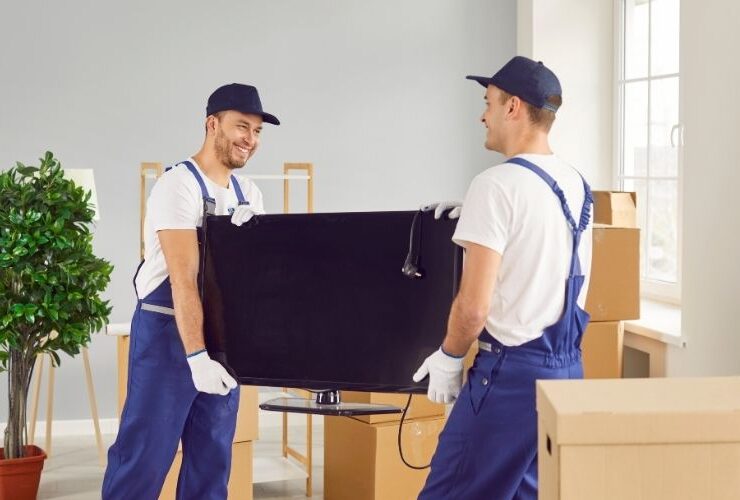
Office relocation services UK
Moving an office involves much more than loading desks, computers and boxes into a vehicle. A business relocation affects employees, customers, suppliers, technology, documents, furniture and daily operations. Without a clear plan, even a small move can create unnecessary delays, confusion and downtime.
Professional office relocation services UK help businesses organise each stage of a commercial move with a structured approach. From planning and packing to transportation, unloading and storage, the right support can reduce pressure on internal teams and make the relocation easier to control.
Every business move has different requirements. A small professional office may need straightforward transport, while a larger organisation may require phased moving, specialist equipment handling, furniture dismantling, storage and out-of-hours work.
Cargill Removals can support businesses that need practical removal assistance while relocating between workplaces.
The key to a successful office move remains simple: plan early, communicate clearly and organise the physical move around business priorities.

What Do Office Relocation Services UK Include?
Professional office relocation can cover several stages depending on your workplace size, equipment, destination and timescale.
A clear service plan helps businesses understand what the removal team will handle and what remains the responsibility of employees, IT specialists or building management.
Pre-Move Planning
Good office relocation services UK should begin before moving day. The removal provider can discuss property access, furniture volume, equipment, timing and delivery requirements. This early conversation helps identify potential challenges, such as restricted loading areas, limited lift access or large furniture that may require dismantling.
Packing and Labelling
Professional packing can save time and create a more consistent system across departments. Boxes should show the destination room, department and general contents. Clear labelling allows movers to place items correctly and helps employees locate essential equipment quickly after arriving at the new premises.
Furniture Removal
Office relocation teams can move desks, chairs, cabinets, meeting tables, shelving and other workplace furniture. Some items may require partial dismantling before transport. Discuss large or complex furniture in advance so the removal company can plan the most suitable handling method.
Equipment Transportation
Computers, monitors, printers and other workplace equipment require careful protection during transport. Businesses should tell the removal provider about delicate or unusual equipment before moving day. Specialist technology may require additional technical support beyond the physical removal service.
Storage Services
Storage can help when the new office is not ready or when a business wants to move in stages. Temporary storage may also help during refurbishment or downsizing. Ask about access, collection, delivery, security arrangements and storage periods before booking.
Why Businesses Use Professional Office Relocation Services UK
A commercial move often involves multiple teams, deadlines and operational priorities. Professional support adds structure to the physical relocation and allows employees to concentrate on their normal responsibilities.
Reduce Internal Workload
Employees usually have limited time to manage furniture, packing and transportation alongside their normal jobs. A removal team can handle many physical tasks, reducing the pressure on staff and helping managers focus on continuity, customers and the transition to the new workplace.
Improve Organisation
An organised relocation plan reduces the chance of boxes arriving in the wrong department or furniture blocking essential areas. Clear labels, a moving sequence and planned delivery positions help the new office become functional more quickly.
Limit Avoidable Downtime
Business interruption can become expensive. Careful scheduling, staged moving and clear priorities help companies resume work sooner. Professional movers can coordinate the physical move around the agreed schedule while internal teams handle IT, communications and operational requirements.
Step-by-Step Office Relocation Process
Businesses can make relocation easier by dividing the project into logical stages.
Step 1: Create a Relocation Plan
Start with the moving date, destination, departments and essential business requirements. Create a timeline covering packing, employee communication, IT preparation, building access and moving-day responsibilities. Assign one internal coordinator so employees and external providers know who can answer relocation questions.
Step 2: Complete a Site Assessment
Review both the current and new premises. Check entrances, lifts, staircases, loading areas, parking and security procedures. Measure difficult access points where necessary. Discuss any restrictions with building managers before confirming the final moving plan.
Step 3: Create an Inventory
List the furniture, equipment, documents and other important items that need to move. Identify belongings that require storage, disposal or specialist handling. An inventory helps the removal company understand the scale of the job and allows the business to track important assets.
Step 4: Pack and Label Systematically
Use strong boxes and clear labels. Mark each box with the destination department, room and contents. Consider using numbered or colour-coded labels for larger offices. Priority equipment should have clear identification so staff can find essential items immediately after arrival.
Step 5: Prepare IT Equipment
Work with your IT team before moving computers, monitors, servers, phones or networking equipment. Back up important information and label cables clearly. Decide who will disconnect and reconnect each system so technical responsibilities remain clear throughout the move.
Step 6: Complete the Physical Move
The removal team should follow the agreed loading sequence. Movers should protect furniture, secure equipment and maintain clear organisation inside the vehicle. Priority items should remain easy to identify so they can come off the vehicle in the correct order.
Step 7: Position Items Correctly
At the new office, furniture and boxes should go directly to their destination areas whenever possible. Correct positioning reduces additional carrying and helps employees start setting up their workspaces quickly.
Step 8: Complete a Final Check
Before the relocation team leaves, inspect key areas and confirm that priority equipment, furniture and documents have arrived. Check that essential walkways remain clear and report any immediate concerns through the agreed process.
How to Reduce Business Downtime
Downtime remains one of the biggest concerns during office relocation. A carefully designed schedule can reduce disruption considerably.
Consider Weekend or Evening Moves
Some businesses prefer to move outside normal working hours. An evening or weekend relocation can reduce interference with customer activity, but you must confirm building access, lift availability, parking and security arrangements before choosing this option.
Use a Phased Relocation
Larger businesses may benefit from moving departments in stages. For example, non-essential teams can relocate first while critical departments continue operating. A phased strategy can maintain essential business functions while the move progresses.
Prepare the New Office Early
Check power, internet, furniture positions and essential services before employees arrive. The faster the new workplace becomes functional, the easier it becomes for staff to resume normal operations.
How to Prepare Employees for an Office Move
Employees play an important role in a successful relocation. Clear instructions help reduce confusion.
Communicate Early
Tell staff when the move will happen, what they need to pack and when they need to finish. Provide clear deadlines rather than relying on informal reminders. Employees should also know where they will work immediately after the move.
Explain Personal Packing Responsibilities
Decide whether employees should pack personal desk items, files or equipment. Provide boxes and labels where necessary. Consistent instructions prevent situations where some workstations remain unpacked when the removal team arrives.
Share Information About the New Workplace
Give employees basic information about their new floor, department location, parking and access arrangements. Familiarity can make the first working day smoother and reduce unnecessary questions.

Choosing the Right Office Relocation Company
Selecting a provider requires more than comparing the lowest quotation.
Check Commercial Moving Experience
Ask whether the company regularly handles office relocations. Commercial moves require different planning from standard household removals because businesses often have strict schedules, multiple departments and essential equipment.
Review Service Scope
Confirm whether the quotation includes packing, transport, furniture dismantling, storage, positioning and out-of-hours work. Make sure you understand what your business must arrange separately.
Check Communication
A reliable relocation provider should explain its process clearly and respond to practical questions about access, timing and handling. Clear communication before moving day often provides a useful indication of how organised the wider service may be.
Office Relocation Services UK: How to Compare Quotes
Detailed quotations make it easier to compare providers fairly.
Compare Like for Like
One quotation may include packing materials and dismantling while another may cover only transportation. Compare the complete service rather than looking at the final number alone.
Ask About Additional Charges
Check whether waiting time, difficult access, weekend work or additional labour could create extra costs. Ask for clarification before signing an agreement rather than discovering unexpected charges later.
Review Service Terms
Read cancellation terms, payment conditions and relevant insurance information. A clear written agreement gives both parties a better understanding of responsibilities before the relocation begins.
Why Choose Cargill Removals?
Cargill Removals can support businesses that need practical help with office furniture, equipment and workplace relocation.
Practical Business Moving Support
A professional removal team can manage loading, transportation and unloading while considering the layout, access and requirements of each workplace. This allows managers to focus more attention on employees, technology and business continuity.
Flexible Support for Different Offices
A small office may need straightforward transportation, while a larger workplace may require packing, storage or staged moving. Discussing the requirements early allows the relocation plan to reflect the real scale of the project.
Clear Planning From the Start
Businesses should provide accurate details about furniture, equipment, addresses, access and timings. Clear information allows the moving team to prepare suitable staff, equipment and vehicles for the job.
Tips for a Successful Office Relocation
Use these practical tips when arranging office relocation services UK:
- Start planning early.
- Appoint an internal move coordinator.
- Create an accurate office inventory.
- Confirm access at both buildings.
- Label every box clearly.
- Identify priority equipment.
- Back up important business data.
- Coordinate IT responsibilities.
- Inform employees about deadlines.
- Check parking and loading areas.
- Arrange storage where necessary.
- Confirm out-of-hours access.
- Keep important documents secure.
- Recheck the moving schedule.
- Plan the first working day carefully.
Early preparation gives businesses more time to solve problems before they affect operations.
Common Office Relocation Mistakes to Avoid
Avoiding common errors can save time and reduce disruption.
Leaving Packing Until the Final Days
Incomplete packing can delay the removal process. Set internal deadlines and monitor progress before moving day. Employees should know exactly what they need to prepare.
Ignoring Building Restrictions
Managed buildings may restrict lift use, loading times or vehicle access. Confirm the rules at both locations before the move and share them with the removal company.
Failing to Prioritise Essential Equipment
Business-critical technology, documents and communication equipment should remain clearly identifiable. If important items disappear among general boxes, employees may struggle to resume work.
Frequently Asked Questions
1. How Early Should I Book Office Relocation Services UK?
Businesses should start planning several weeks or months ahead depending on the size of the move. Larger relocations need more time for surveys, employee preparation and IT planning. Early booking also gives you more flexibility when you need evening, weekend or staged moving arrangements.
2. How Can I Reduce Disruption During an Office Relocation?
Create a clear timetable and move around normal business operations where practical. Consider evening, weekend or phased relocation. Prepare employees early, label equipment clearly and coordinate IT responsibilities. A professional removal team can manage the physical move while internal teams focus on continuity.
3. Can Office Relocation Companies Provide Storage?
Many commercial removal providers offer storage or can arrange it as part of the moving plan. Storage may help during refurbishment, downsizing or gaps between leases. Ask about security, access, storage duration, collection, delivery and any restrictions before booking.
4. What Should I Consider When Moving Office IT Equipment?
Back up important information, label hardware and cables, and coordinate disconnection with your IT team. Decide who will reconnect systems at the new office. Protect sensitive equipment during transportation and tell the removal provider about unusual or specialist technology in advance.
5. How Much Do Office Relocation Services UK Cost?
Costs depend on office size, distance, labour, access, packing, storage, equipment and moving schedule. Small offices usually require fewer resources than large multi-floor relocations. Request a detailed quotation based on your actual requirements and confirm what the price includes before choosing a provider.

Final Thoughts on Office Relocation Services UK
Professional office relocation services UK can help businesses manage the physical demands of moving while maintaining greater control over timing, employees and daily operations.
Successful relocation starts with preparation. Create an inventory, appoint a move coordinator, assess both buildings and communicate clearly with staff. Plan technology separately, identify essential equipment and confirm access well before moving day.
Businesses should also compare providers carefully. Look beyond the lowest price and consider commercial experience, communication, service scope and the clarity of the quotation.
Cargill Removals can provide practical removal support for businesses that want an organised approach to workplace relocation.
Whether you are moving a small office or coordinating a larger commercial project, a clear plan remains the most important foundation. With careful preparation, suitable professional support and realistic scheduling, your business can move into its new workplace with less disruption and greater confidence.
 01542 839867 or 07818 885148
 info@cargillremovals.co.uk
Seamless Moving Experiences Await with Cargill Removals