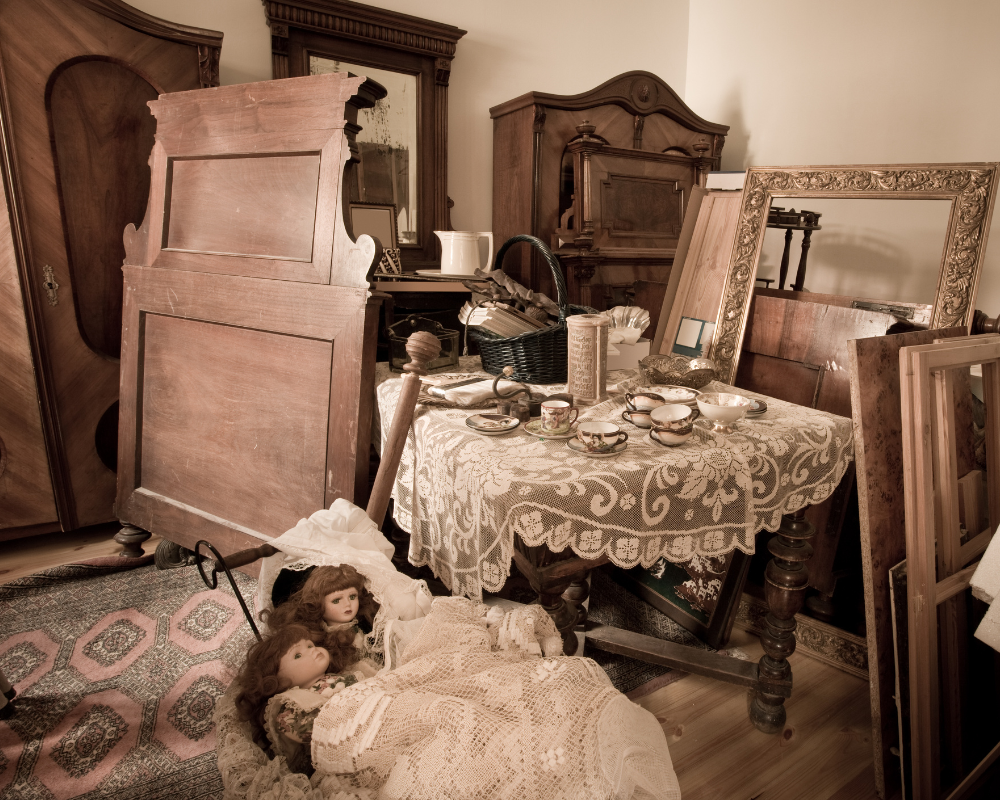
How to safely store antique furniture
Antique furniture holds both sentimental and monetary value, so storing it properly is crucial to preserving its condition and beauty. Proper storage methods protect your cherished pieces from damage caused by environmental factors, pests, and neglect. This guide will walk you through the steps to safely store antique furniture. At Cargill Removals, we understand the importance of safeguarding your valuable antiques, and we’re here to help.
How to Safely Store Antique Furniture
Understanding Antique Furniture
Antique furniture, typically over 100 years old, requires special care. These pieces often feature delicate materials, intricate designs, and historical significance. Understanding the nature of your antique furniture helps in determining the best storage methods.
Assessing the Condition
Before storing, assess the condition of each piece. Look for signs of damage, such as cracks, loose joints, or insect infestations. Identifying these issues early allows you to address them before storing the furniture.
Cleaning Your Furniture
Clean antique furniture thoroughly to remove dust, dirt, and grime. Use a soft cloth and gentle cleaning solution suitable for the specific material. Avoid harsh chemicals that can damage the surface.
Polishing Wood Furniture
Polishing wood furniture helps maintain its shine and protects the surface. Choose a high-quality polish and apply it with a soft cloth. Regular polishing keeps the wood in good condition during storage.
Protecting Upholstery
Upholstered antique furniture needs special care. Vacuum the fabric to remove dust and debris. Use fabric protectors to guard against stains and moisture damage. Covering upholstery with a breathable fabric helps maintain its condition.
Disassembling Larger Pieces
Disassemble larger furniture pieces, such as beds and tables, for easier storage. Keep all screws, bolts, and small parts in labelled bags to avoid losing them. Disassembling reduces the risk of damage during storage.
Wrapping Furniture Properly
Wrap each piece of furniture in protective materials. Use blankets, bubble wrap, or furniture pads to shield against scratches and impacts. Secure the wrapping with tape, ensuring it doesn’t touch the furniture’s surface directly.
Choosing the Right Storage Space
Select a storage space that offers the right conditions for antique furniture. Avoid areas prone to dampness, extreme temperatures, or direct sunlight. An indoor storage unit with climate control is ideal.
Controlling Temperature and Humidity
Maintaining a consistent temperature and humidity level prevents damage to antique furniture. Use a dehumidifier to control moisture levels and avoid placing furniture near heating vents or windows.
Using Furniture Covers
Covering furniture with breathable covers protects it from dust and light. Avoid using plastic covers that can trap moisture and cause mould or mildew. Fabric covers allow air circulation while keeping dust at bay.
Elevating Furniture Off the Floor
Place furniture on pallets or blocks to keep it off the floor. This prevents contact with potential moisture and reduces the risk of water damage. Elevating furniture also improves air circulation around the pieces.
Avoiding Direct Sunlight
Direct sunlight can cause fading and damage to antique furniture. Position stored items away from windows or cover them with protective fabric. UV filters on windows can also help reduce sunlight exposure.
Ensuring Proper Ventilation
Good ventilation is essential for preventing mould and mildew. Ensure the storage area has adequate airflow to keep the environment dry. Avoid sealing the space completely, as trapped air can cause humidity build-up.
Checking for Pests
Regularly inspect the storage area for signs of pests. Rodents and insects can cause significant damage to antique furniture. Use pest control methods to keep the area pest-free and protect your valuables.
Placing Items Strategically
Arrange furniture strategically to avoid damage. Place heavier items at the bottom and lighter, more delicate pieces on top. Ensure there is enough space between items to prevent them from touching and scratching each other.
Using Shelves for Smaller Items
Store smaller antique pieces on shelves to keep them safe. Shelves offer a stable and secure environment, reducing the risk of damage. Ensure shelves are sturdy and can support the weight of the items.
Labeling Everything
Label each piece of furniture and its parts for easy identification. Labels help in reassembling disassembled items and ensure you can locate specific pieces quickly. Clear labelling prevents confusion and potential damage.
Avoiding Overpacking
Do not overcrowd the storage space. Overpacking increases the risk of items knocking into each other and causing damage. Leave enough space for air circulation and easy access to each piece.
Monitoring the Storage Area
Regularly check the storage area to ensure conditions remain stable. Look for signs of moisture, pests, or damage. Regular monitoring helps address issues promptly and maintain the condition of your furniture.
Using Protective Padding
Place protective padding between stacked items. Padding prevents scratches and damage caused by items rubbing against each other. Use materials like foam or felt for effective protection.
Storing Mirrors and Glass Safely
Store mirrors and glass items vertically rather than flat. Use padding and sturdy packaging to protect these fragile items. Avoid placing heavy objects on top of them to prevent breakage.
Ensuring Stability
Ensure all items are stable and won’t topple over. Use furniture straps or brackets to secure taller pieces. Stability prevents accidents and keeps your furniture safe during storage.

Documenting Your Inventory
Create a detailed inventory of all stored items. Include descriptions, conditions, and photographs. An inventory helps keep track of your pieces and provides documentation in case of damage or loss.
Preparing for Long-Term Storage
For long-term storage, take extra precautions to protect your furniture. Regularly check and maintain the storage conditions. Long-term storage requires diligent care to ensure your antiques remain in good condition.
Transporting Furniture Safely
When transporting furniture to storage, handle it with care. Use proper moving techniques and equipment to avoid damage. Secure items in the vehicle to prevent shifting during transport.
Conclusion: How to safely store antique furniture
Safely storing antique furniture requires careful preparation and attention to detail. By following these steps, you can protect your valuable pieces and ensure they remain in excellent condition. At Cargill Removals, we understand the importance of preserving your antiques and offer professional services to assist you. With the right approach and precautions, your cherished furniture will stay beautiful and intact for years to come.