Flexible Storage Services During House Relocations
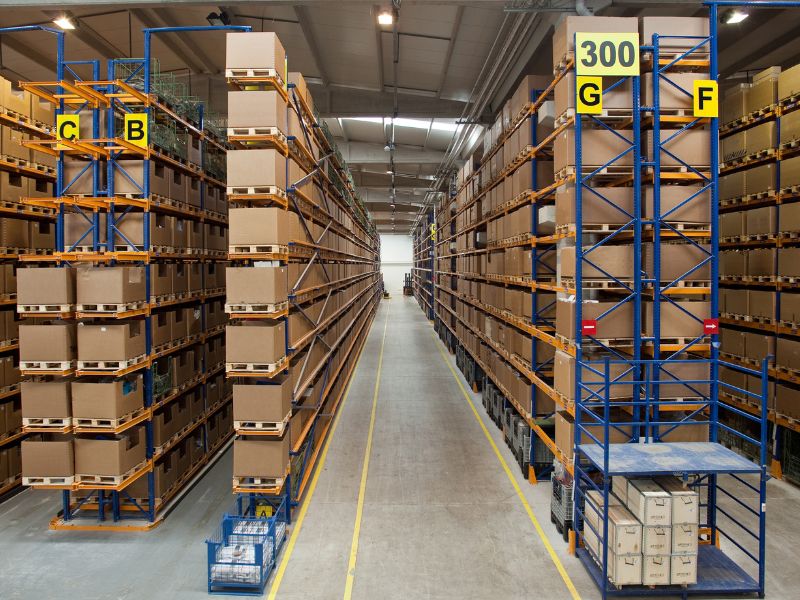
Moving home does not always follow a perfectly predictable schedule. Completion dates can change, renovation work can overrun, temporary accommodation may become necessary, and your new property may not have enough space for every item immediately. In these situations, flexible storage services during house relocations can help you keep control of the move without rushing important decisions.
Flexible storage gives you a practical way to separate the moving process into manageable stages. Instead of transporting every item directly from your old property to your new home, you can place selected furniture, boxes and household possessions into storage until you need them.
This approach can reduce clutter, protect belongings and make property handovers easier to organise.
Cargill Removals provides removal and storage support for customers who need greater flexibility during house moves. Whether you face a short delay, a renovation project, downsizing or a longer relocation, combining removal and storage services can help create a more organised transition.

What Are Flexible Storage Services During House Relocations?
Flexible storage allows you to keep household belongings securely stored between different stages of a relocation. The arrangement can support short gaps between properties or longer periods when your circumstances require additional time.
How Flexible Moving Storage Works
Instead of moving everything directly into your new property, you select which possessions need temporary storage. Movers can collect, protect and transport those items according to the agreed plan. When your new home becomes ready, you can arrange delivery and continue the relocation without repeatedly moving belongings between temporary locations.
Why Flexibility Matters During a Move
Property moves can change unexpectedly. A buyer may delay completion, renovation work may continue longer than planned, or temporary accommodation may provide limited space. Flexible storage gives you additional time to respond to these changes without forcing furniture and boxes into unsuitable or overcrowded spaces.
Why You Might Need Storage During a House Move
Storage does not only help people who have nowhere to place their possessions. It can support many different moving situations and reduce pressure throughout the relocation.
Delayed Completion Dates
If you must leave your current property before receiving access to the new home, storage can bridge the gap. Rather than arranging multiple temporary locations for your belongings, you can keep them together until completion takes place and you can organise the final delivery.
Downsizing to a Smaller Property
Downsizing often creates difficult decisions because not every piece of furniture will fit into the new property immediately. Temporary storage gives you time to review your belongings after the move and decide what to keep, sell, donate or pass to family members.
Renovating Your New Home
Furniture and building work rarely work well together. Dust, tools and contractors can increase the risk of scratches or accidental damage. Storing furniture temporarily can keep rooms clearer for renovation work and protect belongings until decorating, flooring or structural work reaches completion.
Temporary Accommodation
If you need to live with family, rent temporarily or stay in serviced accommodation, you may not have enough room for household furniture. Storage allows you to take only essential belongings while keeping larger possessions organised until your permanent accommodation becomes available.
Benefits of Flexible Storage Services During House Relocations
The biggest advantage of flexible storage is control. You can organise your belongings according to when you actually need them instead of forcing every item through the same moving-day schedule.
Greater Control Over Timing
You do not need every part of the property move to happen simultaneously. Storage allows you to separate collection, temporary storage and final delivery. This can make complicated property chains easier to manage and reduce the pressure created by uncertain completion dates.
Less Clutter During the Move
Boxes and furniture can quickly make an old or new property difficult to navigate. Moving non-essential belongings into storage creates more space for cleaning, decorating and organising essential rooms. A less crowded property also makes it easier for movers and household members to work safely.
Fewer Unnecessary Movements
Repeatedly moving furniture between temporary addresses increases handling and creates additional work. A coordinated removal-and-storage plan can reduce the number of times belongings need loading and unloading. Fewer movements can also simplify planning and reduce the risk of accidental knocks or scratches.
Easier Organisation for Families
Families often need immediate access to clothing, school items, kitchen essentials and children’s belongings. Seasonal items, spare furniture and less frequently used possessions can remain in storage. This separation makes temporary accommodation or an unfinished new property easier to manage.
Step 1: Assess Your Storage Requirements
Start by reviewing your belongings and deciding which items you need immediately and which can remain stored.
Separate Essential and Non-Essential Belongings
Keep everyday clothing, medication, documents, chargers, basic kitchen items and children’s essentials with you. Furniture, seasonal decorations, spare appliances and less frequently used boxes may suit storage better. Creating clear categories helps prevent you from storing something that you may need unexpectedly.
Estimate the Amount of Storage Needed
Create a rough inventory before speaking with the removal provider. List large furniture, appliances and box numbers where possible. Accurate information helps the provider understand the volume involved and recommend an appropriate moving and storage arrangement.
Step 2: Discuss Your Moving Schedule
Your storage plan should reflect your actual relocation circumstances rather than relying on fixed assumptions.
Explain Potential Delays
Tell the removal company about uncertain completion dates, renovation timelines or temporary accommodation. Honest information allows the provider to understand whether you may need to extend the storage period or change the final delivery date.
Ask About Notice Requirements
Find out how much notice the company needs before collection or redelivery. Understanding these requirements in advance helps you plan the final stage more effectively once your new property becomes available.
Step 3: Prepare and Pack Belongings Properly
Good packing protects belongings and makes storage easier to manage.
Use Strong, Suitable Boxes
Choose boxes that can safely support their contents. Use smaller boxes for books and dense belongings and larger containers for lighter items. Seal every box securely and avoid overloading it because damaged packaging can create problems during transportation and storage.
Label Everything Clearly
Write the room, contents and box number on each container. Labels such as “Kitchen – Pans – Box 4” or “Bedroom – Winter Clothing – Box 7” make later delivery and unpacking much easier. Keep a written or digital inventory that matches your labels.
Protect Furniture Carefully
Use appropriate covers, blankets and padding for tables, sofas, wardrobes and other furniture. Make sure items remain clean and dry before storage. Tell the removal team about fragile surfaces, glass components or valuable furniture that needs additional attention.

Step 4: Arrange Collection and Transportation
Professional collection can make the storage process simpler because you do not need to organise separate vehicles or handle large furniture yourself.
Prepare Access Before Collection
Clear hallways, entrances and stairways before the movers arrive. Tell the company about parking restrictions, narrow entrances or long carrying distances. Good access helps the team load furniture and boxes more efficiently.
Keep Important Items With You
Do not place passports, medication, keys, jewellery, essential documents or everyday valuables into storage unless you genuinely intend to keep them there. Create a separate essentials bag that remains with you throughout the relocation.
Step 5: Keep an Accurate Storage Inventory
Knowing exactly what you have stored saves time later and makes the final move easier to organise.
Record Each Stored Item
Create a simple list of furniture, appliances and boxes. Add photographs of valuable or important items if helpful. A clear inventory reduces uncertainty and helps you decide which items need delivery first when your new property becomes ready.
Organise Items by Priority
Identify boxes that you may need sooner and discuss accessibility with the storage provider. If you expect to need particular possessions during the storage period, explain this before everything enters storage so the arrangement can reflect your priorities where possible.
Step 6: Arrange Final Delivery
Once your new home becomes available, plan the final stage rather than requesting delivery without preparation.
Confirm Access at the New Property
Check parking, stairs, lifts, doorways and any restrictions before the delivery date. Tell the movers about changes compared with the original plan. Accurate access information helps prevent delays and allows the team to prepare for large or awkward furniture.
Prepare a Room Plan
Decide where major furniture should go before delivery begins. Ask movers to place labelled boxes in their intended rooms. Correct placement during unloading reduces unnecessary carrying and helps you settle into the property more efficiently.
Choosing the Right Storage Solution
Storage services vary, so customers should compare more than price alone.
Review Security and Access
Ask how the storage arrangement works, how belongings remain protected and what access arrangements apply. Understand whether you can retrieve individual items during the storage period or whether you need to arrange access in advance.
Understand the Storage Terms
Check minimum storage periods, payment arrangements, extension procedures and notice requirements. Ask what happens if your completion date changes unexpectedly. Clear terms help you budget accurately and reduce confusion during an already busy relocation.
Ask About Collection and Redelivery
Find out whether collection and final delivery form part of the overall service or carry separate charges. Understanding the complete process gives you a more realistic picture of the total cost of combining removals with storage.
Practical Tips for Using Storage During a House Move
Small organisational choices can make flexible storage much easier to manage.
Declutter Before Storing Anything
Avoid paying to store possessions you no longer want. Review clothes, furniture, paperwork and household items before collection. Sell, donate, recycle or dispose of suitable belongings so storage space focuses on possessions you genuinely intend to keep.
Keep Your Inventory Updated
If you add or remove items, update your inventory immediately. Accurate records become especially important during longer storage periods when you may forget exactly which belongings went into storage and which travelled with you.
Plan for Changing Circumstances
House moves can develop quickly. Keep the removal provider informed if your completion date, new property or delivery arrangements change. Early communication gives everyone more opportunity to adjust the plan without unnecessary last-minute pressure.
When Is Flexible Storage Most Useful?
Flexible storage can support many situations beyond delayed completion.
Preparing a Property for Sale
Removing excess furniture can make rooms easier to clean, photograph and present to potential buyers. Temporary storage allows you to declutter without permanently disposing of possessions before you know exactly how much space your next property provides.
Long-Distance Relocations
Long-distance moves often involve more complicated timing. Storage can provide a practical staging point when travel dates, property access or delivery schedules do not align. Discuss collection and final delivery arrangements early so the entire journey remains coordinated.
Probate and Family Property Moves
Clearing a family property can require time and careful decision-making. Storage can provide temporary space for furniture and personal items while relatives decide what to keep, distribute or sell. A structured inventory can prove particularly helpful in these circumstances.
Why Choose Cargill Removals?
Combining removal and storage services can simplify relocation by reducing the number of separate providers you need to coordinate.
Practical Moving and Storage Support
Cargill Removals can support customers who need removal and storage solutions during changing property circumstances. Discuss your furniture, expected storage period, access and likely delivery date before collection so the arrangement reflects your actual needs.
Support for Different Moving Situations
Customers may need storage because of delayed completion, renovation, temporary accommodation, downsizing or a long-distance move. A flexible approach allows the storage arrangement to support the wider relocation rather than becoming a separate logistical problem.
Clear Communication Throughout the Move
Good storage service depends on communication. Customers should understand collection arrangements, storage terms and final delivery requirements from the beginning. Keeping the provider updated when moving dates change can make the process much easier to manage.
Why People Trust Professional Storage and Removal Services
Trust matters because customers hand over furniture and possessions that may carry significant financial or sentimental value.
Careful Handling Builds Confidence
Professional movers should consider furniture size, fragility and access conditions before carrying begins. Proper planning and protective materials can reduce avoidable damage during collection, transport and final delivery.
Transparent Information Supports Better Decisions
Customers should know what the service includes, how storage works and what additional costs may apply. Clear information allows households to compare options and choose an arrangement that fits both their relocation plan and budget.
Frequently Asked Questions
1. How Long Can Belongings Stay in Flexible Storage?
Storage duration depends on the provider and your circumstances. You may need storage for a few weeks or several months. Before booking, ask about minimum periods, extension arrangements and notice requirements for final delivery. Clear terms help you plan effectively if completion or renovation dates change.
2. Is Flexible Storage Suitable for Furniture?
Yes. Furniture can go into storage when it receives suitable preparation and protection. Clean and dry items before storage, use appropriate covers and discuss fragile furniture with the provider. Ask how collection, storage and delivery work so you understand how the company manages your belongings.
3. Can Storage Help if My House Completion Is Delayed?
Yes. Storage can bridge the period between leaving your current property and entering your new home. Instead of repeatedly moving furniture between temporary addresses, you can store selected possessions until completion takes place and then arrange final delivery.
4. Can I Store Only Part of My Household?
Yes. Selective storage often works extremely well. Keep everyday essentials with you and store bulky furniture, seasonal belongings or non-essential boxes. Separating possessions according to immediate need can make temporary accommodation and complicated house moves much easier to organise.
5. Why Choose Flexible Storage During a House Relocation?
Flexible storage services during house relocations provide greater control when moving dates, property access or renovation schedules do not align. Storage can reduce clutter, protect belongings and make phased moves easier. It gives households additional time without forcing every possession into the new property immediately.
Conclusion
Flexible storage services during house relocations can provide valuable breathing space when property moves become more complicated than expected. Completion delays, temporary accommodation, renovation work, downsizing and long-distance relocation can all create situations where direct delivery does not make practical sense.
The best results come from planning storage as part of the overall move. Separate essential and non-essential belongings, create a detailed inventory, pack carefully and keep important items with you. Discuss storage duration, access, terms and redelivery arrangements before collection.
Professional collection and final delivery can also reduce repeated handling and simplify coordination.
Cargill Removals can support customers who need practical removal and storage arrangements during a house move. By combining flexible timing, careful handling and clear communication, households can manage changing circumstances without rushing important decisions.
When your move does not follow one fixed schedule, flexible storage can help you protect your belongings, reduce clutter and move into your new home with greater control and confidence.
 01542 839867 or 07818 885148
 info@cargillremovals.co.uk
Seamless Moving Experiences Await with Cargill Removals