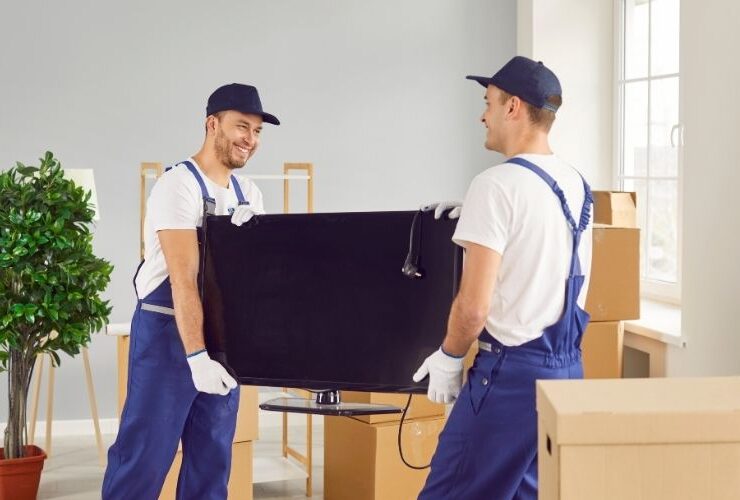
Expert Commercial Relocation Teams For Businesses
Relocating a business requires more than vans, boxes, and strong movers. It needs careful planning, clear communication, secure handling, and a team that understands how business operations work. Whether you move a small office, a retail shop, a warehouse, a clinic, or a corporate workspace, expert commercial relocation teams for businesses can help reduce downtime and protect valuable assets.
A poorly planned move can disrupt staff, delay customer service, damage equipment, and create unnecessary costs. A professional commercial relocation team prevents these problems by building a structured plan before moving day begins.
At Cargill Removals, we support businesses across different sectors with organised, reliable, and customer-focused commercial moving services. Our team handles office furniture, IT equipment, confidential files, stock, fixtures, and specialist items with care. We focus on helping your business move efficiently while keeping disruption as low as possible.

Why Expert Commercial Relocation Teams for Businesses Matter
Commercial moves involve more pressure than many home moves because businesses must protect productivity. Every delay can affect staff, customers, suppliers, and revenue. Expert commercial movers understand this responsibility and create practical plans that keep the relocation organised from start to finish.
A professional team reviews your business needs, property access, furniture volume, IT requirements, document storage, and operational priorities. This helps them move items in the correct order and place them in the right areas at the new premises.
Business Moves Need Structure
A business relocation needs a clear structure because many people, departments, and assets often move at the same time. Professional movers create timelines, labelling systems, loading plans, and delivery schedules. This organised approach reduces confusion and helps staff return to normal work faster after the move.
Professional Planning Reduces Risk
Commercial relocations can involve expensive equipment, confidential records, heavy furniture, and strict deadlines. Experienced movers identify risks before moving day, such as access problems, parking restrictions, fragile items, or IT concerns. Early planning allows the team to solve issues before they interrupt the relocation.
Commercial Relocations Require Careful Planning
A successful commercial relocation begins long before moving day. The planning stage allows movers to understand your premises, business operations, equipment, and priorities. Without a clear plan, companies may face avoidable delays, damaged assets, and disorganised unpacking.
Commercial movers usually begin with a consultation and site survey. They assess offices, storage areas, meeting rooms, reception spaces, IT rooms, stock rooms, and access points. They also check lifts, stairs, parking, loading bays, and building rules.
This information helps create a realistic moving schedule. A clear plan also allows managers to inform staff, assign responsibilities, prepare departments, and reduce uncertainty.
A Site Survey Improves Accuracy
A site survey helps the relocation team understand the scale of the move. Movers can estimate vehicle size, packing materials, team numbers, access needs, and time requirements. This prevents guesswork and helps provide a more accurate quotation, smoother schedule, and better moving-day preparation.
Timelines Keep Everyone Aligned
A commercial moving timeline helps managers, employees, movers, and suppliers understand what happens and when. It can include packing dates, IT disconnection, furniture dismantling, loading times, delivery slots, and final checks. Clear timing reduces confusion and helps the business stay in control.
Understanding Business Needs Before Moving
Every business works differently, so every relocation needs a tailored plan. A legal office may need secure document handling. A clinic may need careful movement of sensitive equipment. A retail shop may need stock, display units, and counters moved in a specific order. A warehouse may need stock control and heavy equipment planning.
Expert commercial relocation teams for businesses take time to understand how your company operates. They ask the right questions before moving day, such as which departments must restart first, which equipment needs special care, and which items require secure handling.
This personalised approach helps protect business continuity and avoids a one-size-fits-all moving service.
Different Industries Need Different Solutions
A school, law firm, warehouse, retail shop, and medical clinic all have different relocation needs. Professional movers adapt their process to the industry, building layout, equipment type, and operational schedule. This flexibility helps protect important assets and supports a smoother transition into the new premises.
Priority Items Move First
Some business assets need priority handling. These may include servers, computers, client records, payment systems, stock, reception equipment, or essential desks. Commercial movers identify these items early and plan their movement carefully so the business can restart key functions as quickly as possible.
Reducing Downtime During Commercial Moves
Downtime remains one of the biggest concerns during a business move. If staff cannot work, customers cannot reach you, or systems remain offline, the relocation can affect daily operations. Expert movers reduce downtime through planning, efficient packing, structured loading, and flexible scheduling.
Many businesses choose evening, weekend, or holiday moves to avoid disrupting normal working hours. Commercial relocation teams can also move departments in stages, allowing part of the business to continue operating while another part relocates.
The goal is simple: move safely, move efficiently, and help the business return to work quickly.
Flexible Scheduling Supports Productivity
Flexible scheduling helps businesses move at the least disruptive time. Evening, weekend, and phased relocations can reduce pressure on staff and customers. Professional movers work around operational needs where possible, helping businesses maintain service levels while the relocation takes place.
Efficient Setup Speeds Up Reopening
Fast reopening depends on organised unloading and correct placement. Movers place boxes, desks, files, and equipment in labelled areas so staff can find what they need. This structured setup reduces wasted time and helps employees return to work with fewer delays.

Protecting Office Equipment, Furniture, and Documents
Commercial premises often contain valuable assets. Computers, monitors, printers, servers, phones, filing cabinets, meeting tables, ergonomic chairs, stock, and confidential files all need careful handling. Professional movers use strong packing materials, protective covers, crates, labels, and secure loading techniques.
Office furniture may need dismantling before transport. IT equipment may require coordination with your internal team. Confidential documents may need controlled packing and organised delivery. Each item type needs a suitable method.
IT Equipment Needs Extra Care
Computers, monitors, servers, routers, and communication systems play a central role in modern business. Movers protect these items with suitable packing, careful lifting, and secure transport. Coordination with your IT team helps ensure equipment moves safely and returns to service with minimal disruption.
Confidential Files Need Secure Handling
Many businesses hold client records, contracts, financial documents, employee files, and sensitive paperwork. Commercial movers pack, label, and transport these items carefully to maintain order and confidentiality. A secure process helps businesses protect trust, meet internal standards, and avoid unnecessary document loss.
Furniture Needs Safe Dismantling
Desks, boardroom tables, shelving, storage units, and reception furniture may need dismantling before transport. Professional movers remove parts carefully, keep fixings organised, protect surfaces, and reassemble furniture at the new premises. This reduces damage and helps create a usable workspace more quickly.
Flexible Services for Different Businesses
Commercial relocation services should match the needs of the business, not force every client into the same package. Some companies need full project support, packing, dismantling, transport, storage, and installation. Others only need help with transport and heavy lifting.
Cargill Removals can support office removals, retail moves, warehouse relocations, archive moving, equipment transportation, furniture installation, packing services, and secure storage. This flexibility allows businesses to choose the right level of help.
Office Relocation Services
Office moves often include desks, chairs, IT equipment, filing cabinets, meeting room furniture, reception items, and staff belongings. Professional movers label and organise everything carefully so each department can settle quickly. A clear office relocation plan reduces disruption and supports a smoother working environment after delivery.
Retail and Warehouse Moves
Retail and warehouse relocations may involve stock, shelving, display units, storage systems, tools, equipment, and customer-facing fixtures. Movers need to protect items while maintaining order. Careful planning helps businesses avoid stock confusion, reduce downtime, and reopen the new site more efficiently.
Secure Storage Options
Some businesses need temporary storage during a relocation, refurbishment, or phased move. Secure storage helps protect furniture, documents, stock, and equipment until the new premises become ready. Combining removals and storage with one provider simplifies logistics and gives businesses more flexibility during transition.
Step-by-Step Commercial Relocation Process
A structured process helps every business move run more smoothly. The relocation begins with an initial consultation, where the moving company learns about the business, location, timetable, and key requirements. The next stage usually involves a survey to assess access, furniture, equipment, storage areas, and specialist items.
After that, the team creates a moving plan. This plan explains packing, labelling, vehicle loading, transport, unloading, placement, and final checks. On moving day, the team follows the agreed schedule and communicates with the business contact throughout the process.
Step 1: Consultation and Survey
The consultation helps movers understand your business goals, moving date, building access, department layout, and specialist requirements. A site survey then gives practical detail about furniture, IT equipment, documents, stock, parking, lifts, and stairs. These steps create a strong foundation for a reliable relocation plan.
Step 2: Packing and Labelling
Professional packing protects business assets and keeps the move organised. Movers use strong boxes, crates, labels, protective wrapping, and furniture covers. Clear labelling helps place items in the correct areas at the new premises, reducing confusion and helping employees find what they need faster.
Step 3: Transport and Installation
The moving team loads items carefully, secures them inside the vehicle, and transports them to the new premises. After arrival, movers place furniture, boxes, and equipment according to the agreed plan. Reassembly and organised placement help the business restart operations more quickly.
Tips for a Successful Commercial Relocation
Good preparation makes a commercial move easier. Start planning several months ahead, especially if your business has several departments, specialist equipment, or IT systems. Assign one internal relocation coordinator so staff and movers have a clear point of contact.
Tell employees about the schedule early. Back up important data before moving equipment. Label department items clearly. Dispose of old furniture, damaged equipment, and unnecessary paperwork before moving day. Update your business address on your website, Google Business Profile, invoices, email signatures, social media, suppliers, banks, and customer communications.
Prepare Staff Early
Employees need clear information before a business move. Share the moving timeline, packing instructions, desk responsibilities, and reopening plan. When staff know what to expect, they can prepare personal items, support department organisation, and reduce confusion during the relocation.
Update Customers and Suppliers
Customers, suppliers, couriers, banks, and service providers need your new address before the move completes. Update your website, email signature, social media pages, Google listing, invoices, and delivery records. Clear communication prevents missed deliveries, customer confusion, and avoidable business disruption.
Why Choose Cargill Removals?
Cargill Removals provides reliable commercial relocation services for businesses that need careful planning, efficient execution, and clear communication. We understand that every hour matters during a business move. Our team works hard to protect your assets and reduce operational disruption.
Businesses choose us for experienced movers, professional packing, office furniture handling, secure transport, flexible scheduling, storage options, and customer-focused support. We can help with small offices, larger workplaces, retail premises, warehouses, schools, clinics, hospitality spaces, and other commercial moves.
Our goal is to make your relocation organised, safe, and efficient from start to finish.

Conclusion
Choosing expert commercial relocation teams for businesses helps protect your company during an important transition. Professional movers bring planning skills, packing knowledge, secure transport methods, and practical experience that reduce downtime and protect valuable assets.
A successful commercial move depends on communication, preparation, careful handling, and a structured plan. Whether you relocate an office, warehouse, shop, clinic, school, or hospitality space, the right moving team can help your business return to normal operations faster.
At Cargill Removals, we provide dependable commercial relocation support tailored to your company’s needs. From consultation and packing to transport, placement, and storage, our team helps your business move with confidence.
Frequently Asked Questions
1. Why should I hire expert commercial relocation teams for businesses?
You should hire expert commercial movers because they reduce downtime, protect business assets, and manage the relocation in an organised way. They bring the right equipment, packing materials, trained staff, and planning experience. This helps your business move safely and resume operations faster than an unplanned internal move.
2. How far in advance should I plan a commercial relocation?
You should start planning a commercial relocation at least three to six months before moving day. Larger businesses, multi-site moves, or relocations involving IT systems may need more time. Early planning allows surveys, staff communication, supplier updates, packing preparation, and careful scheduling.
3. What items can commercial relocation teams move?
Commercial movers can move desks, chairs, filing cabinets, computers, monitors, servers, networking equipment, documents, stock, retail displays, archive boxes, warehouse items, meeting room furniture, and specialist equipment. Many teams also provide packing, dismantling, reassembly, storage, and furniture placement services.
4. How do movers minimise business downtime?
Movers minimise downtime by planning the move carefully, labelling items clearly, scheduling work outside business hours where possible, coordinating with managers, and placing items correctly at the new premises. Evening, weekend, and phased moves can help businesses continue serving customers with less disruption.
5. Can commercial movers handle confidential documents?
Yes, professional commercial movers can handle confidential documents with organised packing, labelling, and secure transport procedures. Businesses should identify sensitive files before moving day and discuss handling requirements with the relocation team. Clear instructions help protect confidentiality and keep records organised.
6. Do commercial movers help with office furniture installation?
Yes, many commercial movers help dismantle, transport, and reassemble office furniture. This includes desks, meeting tables, shelving, storage units, and reception furniture. Professional installation helps employees return to a practical working environment faster and reduces the risk of damage during the move.
7. Why choose Cargill Removals for commercial relocation?
Cargill Removals offers organised, reliable, and flexible commercial relocation support for businesses of different sizes. Our team focuses on careful planning, secure packing, safe transport, clear communication, and reduced disruption. We tailor each relocation to the business, premises, schedule, and operational needs.
 01542 839867 or 07818 885148
 info@cargillremovals.co.uk
Seamless Moving Experiences Await with Cargill Removals