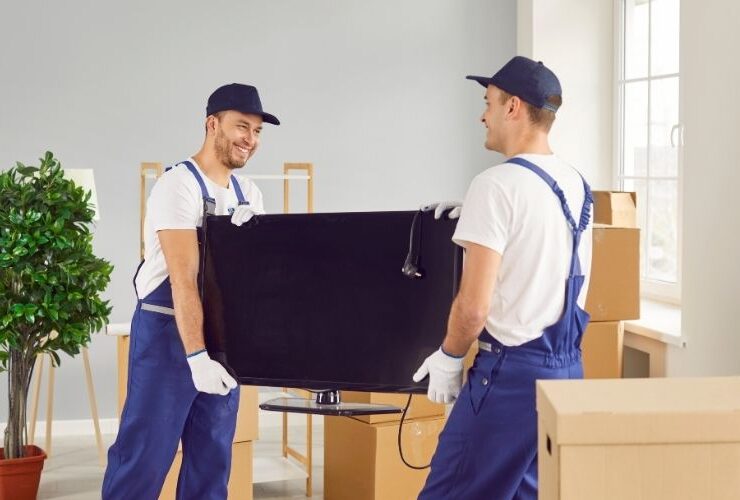
Business relocation services
Business Relocation Services
Moving a business requires careful planning, clear communication and reliable transportation. Unlike a household move, a commercial relocation can affect employees, customers, equipment, stock, confidential documents and normal daily operations. Poor preparation can create unnecessary downtime, damage valuable items and make it harder for employees to settle into the new workplace.
Professional business relocation services provide a structured way to manage these challenges. From the initial assessment and packing through to transportation, unloading and positioning items at the new premises, an experienced removals team can manage the practical side of the move while you focus on keeping your business operating.
Cargill Removals provides practical moving support for businesses with different requirements. Every relocation needs its own plan based on the size of the premises, number of items, access arrangements, moving distance, packing requirements and preferred timescale.

What Are Business Relocation Services?
A complete solution for commercial moves
Business relocation services cover the practical work involved in moving a company from one commercial property to another. Depending on your requirements, the service can include planning, packing, furniture dismantling, loading, transportation, unloading, positioning and temporary storage. A well-organised service helps businesses move their physical assets while reducing unnecessary disruption to normal operations.
Services designed around your business
No two commercial relocations follow exactly the same process. A small office may only need desks, chairs, computers and documents moved across town, while a larger company may require multiple vehicles, staged transportation and storage. A professional moving plan should reflect your workplace, schedule, access conditions and operational priorities.
Why Professional Business Movers Can Help
Commercial moves require careful coordination
A business move involves more than carrying furniture into a vehicle. Managers need to consider employees, building access, parking, loading areas, lifts, stairs, IT equipment, documents and the timing of the relocation. Professional movers can help coordinate these practical details and create a clearer process from the first packing stage through to delivery.
Professional planning can reduce downtime
Business downtime can affect productivity and customer service. A carefully planned relocation can help employees return to work sooner by organising furniture, equipment and boxes according to their destination. Moving outside normal working hours may also reduce disruption when building access and the removals schedule allow it.
What Can Business Relocation Services Include?
Office furniture removal
Desks, office chairs, filing cabinets, shelving, meeting tables and other workplace furniture can require careful handling. Large items may need dismantling before transportation, particularly when doorways, corridors or lifts create access challenges. Movers can organise furniture according to the new office layout, making placement and setup more efficient after delivery.
IT and electrical equipment
Computers, monitors, printers, servers and other electrical equipment require careful preparation. Businesses should plan disconnection, packing and reconnection responsibilities before moving day. Staff or specialist IT professionals may need to handle sensitive equipment, while the removals team can focus on secure transportation and appropriate positioning at the destination.
Commercial packing services
Professional packing can help businesses organise equipment, documents, stationery and other workplace belongings. Clear labelling by department, room or employee makes unpacking easier. Fragile equipment requires suitable protection, while confidential documents need secure handling throughout the relocation. A structured packing system also reduces the time employees spend searching for essential items.
Dismantling and reassembly
Large desks, shelving units and other furniture may require dismantling before movers can transport them safely. Reassembling furniture at the new premises can help the business restore its working environment faster. Confirm which items require dismantling during the quotation stage so the moving team can include the necessary labour and equipment.
Temporary commercial storage
Some businesses leave one property before they can access the next. Temporary storage can provide flexibility during this period. Storage may also help companies reduce clutter before a relocation or manage a phased move. Discuss storage requirements early so the relocation plan accounts for collection, storage duration and final delivery.
Step-by-Step Business Relocation Process
Step 1: Assess everything that needs to move
Begin with a complete inventory of furniture, equipment, documents, stock and other business assets. Identify items that need special handling and remove anything your company no longer needs. An accurate inventory helps the removals team estimate labour, vehicle capacity, packing materials and the overall time required for the move.
Step 2: Create a realistic moving schedule
Select a moving date that limits disruption to your business. Some companies prefer evenings, weekends or quieter trading periods. Consider employee availability, customer commitments, building access and IT requirements. Give your removals company enough information to create a practical schedule rather than relying on last-minute decisions.
Step 3: Organise packing and labelling
Divide belongings according to rooms, departments or functions. Use clear labels that employees can understand immediately. Mark fragile equipment separately and keep important documents secure. A consistent labelling system helps movers place items correctly and allows employees to find essential equipment quickly after arriving at the new premises.
Step 4: Check access at both premises
Inspect parking areas, loading bays, entrances, corridors, staircases and lifts before moving day. Measure large doorways and check restrictions that could affect vehicle access. Tell building managers about the relocation when necessary. Early access planning can prevent delays and reduce the risk of discovering an avoidable problem when the move begins.
Step 5: Load and transport business belongings
The removals team can load furniture, equipment and boxes according to the agreed plan. Proper weight distribution and secure positioning help protect belongings during transportation. Fragile equipment should receive appropriate attention, while heavier furniture needs careful placement. The team should also consider the order in which items need to leave and arrive.
Step 6: Set up the new workplace
A floor plan can make unloading and positioning much easier. Decide where desks, cabinets, equipment and other major items should go before moving day. Clear instructions allow movers to place belongings in suitable locations instead of creating additional work for employees after delivery.
Tips for a Smoother Business Relocation
Create a detailed inventory
Record everything your business plans to move and identify items that require special handling. An inventory helps you monitor the relocation and highlights unnecessary belongings that you can recycle, sell or dispose of before the move. It also gives the removals team a clearer understanding of the size and complexity of the project.
Label boxes by department or destination
Use simple and consistent labels for every box. You could include the department, room and contents, such as “Accounts – Room 2 – Files”. Clear labels help movers place items correctly and allow employees to locate essential equipment without opening numerous boxes after arrival.
Protect confidential information
Business documents, client records and digital equipment can contain confidential information. Keep sensitive paperwork under appropriate control during packing and transportation. Businesses should also back up important digital information before moving computers and storage devices. Establish clear responsibility for confidential materials before the removals team starts work.

Measure furniture and access points
Large desks, cabinets and shelving can create unexpected problems when doorways or staircases have limited space. Measure important furniture and compare those dimensions with access routes at the new premises. Planning this stage early can help you identify furniture that needs dismantling or a different delivery approach.
Communicate clearly with employees
Tell employees about important moving dates, packing responsibilities, access arrangements and expected return-to-work times. Give each department clear instructions and explain which items employees should prepare themselves. Good communication reduces confusion and helps everyone understand their role in the relocation.
Build contingency time into the schedule
Traffic, weather, building access and unexpected packing requirements can affect a commercial move. Avoid creating a schedule with no flexibility. Allow reasonable contingency time so minor delays do not immediately affect your entire working day. A realistic timetable gives the moving team greater flexibility when unexpected issues arise.
How Much Do Business Relocation Services Cost?
Several factors influence the final quotation
There is no single price for business relocation services because every commercial move differs. The size of the premises, number of items, moving distance, packing requirements, number of movers, access conditions, dismantling work and storage needs can all influence the final cost.
Request a detailed quotation
A detailed quotation gives your business a clearer understanding of the proposed service. Ask the removals company to explain what the quotation covers, including labour, transportation, packing, dismantling, storage and any additional requirements. Comparing quotations based on the actual scope of work provides a more useful comparison than choosing a provider based only on the lowest headline price.
Business Relocation Services for Different Companies
Office relocations
Offices often involve desks, chairs, computers, monitors, documents, printers and meeting-room equipment. A structured plan can separate departments and ensure employees receive their essential equipment quickly. Careful scheduling can also help companies complete the move outside their busiest operating periods.
Retail and commercial businesses
Retail businesses may need to move stock, shelving, display equipment, tills and office furniture. The relocation schedule should consider trading commitments and stock control. Clear labelling and an organised inventory can make it easier to confirm that products and equipment arrive at the new premises in an orderly manner.
Warehouses and larger workplaces
Larger premises can require additional planning because of the volume and weight of items involved. Businesses may need phased transportation, temporary storage or specialist handling for particular equipment. Early assessment allows the removals team to understand vehicle requirements, access limitations and the sequence needed to complete the relocation efficiently.
Why Choose Cargill Removals?
Practical support for commercial relocations
Cargill Removals takes a practical approach to business moving requirements. The team can help businesses organise the physical side of relocation, including furniture, packing, transportation and other agreed services. Discussing your requirements before moving day allows the plan to account for access, timing, quantity and items that need additional care.
A relocation plan should match your operation
Every business has different priorities. Some companies mainly need transportation, while others require packing, dismantling, storage and support across the complete relocation. A tailored approach helps ensure the service reflects the actual requirements of your business instead of applying the same process to every commercial move.
Why Businesses Trust Professional Relocation Support
Clear communication builds confidence
Businesses need clear information about the moving schedule, services included and responsibilities at every stage. Good communication helps managers prepare employees and resolve access or packing issues before moving day. A clear process also reduces confusion when the removals team arrives at the old premises and begins loading.
Reliable handling protects valuable assets
Business furniture, computers, stock and equipment can represent a significant investment. Careful handling and suitable transportation help reduce avoidable risks during the relocation. Professional support also allows employees to focus on their normal responsibilities instead of spending the entire day managing heavy lifting and transportation.
Frequently Asked Questions
What do business relocation services include?
Business relocation services can include planning, packing, furniture dismantling, loading, transportation, unloading and positioning items at the new premises. Some companies also require temporary storage or additional support for larger commercial moves. The exact service should reflect your business size, number of items, distance, access conditions and preferred schedule. Discussing these requirements before the quotation helps the removals company create a practical plan.
How early should I arrange business relocation services?
Arrange business relocation services as early as possible, particularly for larger offices or commercial premises. Early planning gives your company time to organise employees, prepare documents, notify building management, check access and arrange packing. Larger relocations may need several weeks of preparation. If you have a tight deadline, contact a removals company immediately so they can assess availability and establish a realistic schedule.
Can business movers pack office equipment?
Many professional moving companies can include commercial packing within their business relocation services. Office furniture, computers, monitors, documents and fragile equipment require different preparation methods. Discuss valuable or sensitive items before the move so the team understands the handling requirements. Businesses should maintain appropriate control of confidential documents and sensitive information throughout packing, transportation and delivery.
Can a business move outside normal working hours?
Many businesses choose evening or weekend relocations to reduce disruption during normal working hours. The option depends on the removals company’s availability and access arrangements at both properties. Check lift access, security procedures, parking restrictions and building rules before confirming an out-of-hours move. A detailed schedule can help the relocation team complete the physical move efficiently while employees continue normal operations where possible.
How can I reduce disruption during a business move?
Start planning early and create a clear relocation schedule. Prepare an inventory, label boxes by department, protect confidential information and confirm access arrangements before moving day. Create a floor plan for the new premises so movers know where to place furniture and equipment. Allow contingency time for unexpected delays. Professional business relocation services can then manage the physical move while your employees concentrate on essential business activities.

Final Thoughts
A successful commercial relocation depends on preparation, communication, careful handling and reliable transportation. From the initial inventory to the final placement of furniture, every stage should have a clear purpose.
Professional business relocation services can make a commercial move more manageable by providing structured support for packing, furniture handling, transportation, unloading and other agreed requirements.
Cargill Removals can help businesses organise relocation services around their individual needs. If you are planning an office or commercial move, start early, establish a realistic schedule, check access arrangements and request a detailed quotation.
A well-planned relocation can reduce unnecessary disruption, protect valuable business belongings and help employees settle into their new workplace more efficiently.
 01542 839867 or 07818 885148
 info@cargillremovals.co.uk
Seamless Moving Experiences Await with Cargill Removals