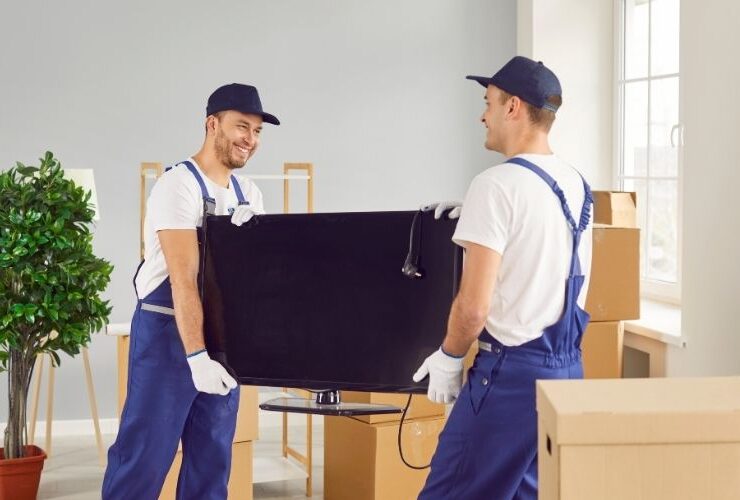
Best Moving Day Tips For Families
Best Moving Day Tips for Families: A Practical UK Guide
Moving day brings excitement, but it can also challenge families who need to manage children, pets, furniture, keys, documents and dozens of boxes at the same time. A clear plan can reduce stress, protect everyone’s safety and help the removal team work efficiently.
The best moving day tips for families focus on preparation, communication and realistic priorities. Finish packing before moving morning, keep essentials with you, organise childcare or pet care where necessary and decide which rooms you need to set up first.
Official GOV.UK guidance recommends preparing before moving day rather than trying to pack and clean an entire property that morning. It also advises home movers to compare removal companies carefully and consider service quality, insurance, reviews and possible additional charges alongside price.
This practical UK moving guide takes you through the most important family moving-day tasks from the final morning check to your first evening in the new home.

Best moving day tips for families: prepare before the day
A smoother moving day starts several days earlier. Finish most packing, confirm your mover, organise keys and make sure everyone understands the plan. Parents should avoid leaving important decisions until removal workers arrive because children, pets and unexpected property issues can quickly demand their attention.
Finish packing before moving morning
Aim to have almost everything packed by the previous evening. GOV.UK warns that moving morning rarely provides enough time to pack and clean an entire home without delaying the process. Keep only toiletries, breakfast items, medicines, bedding and other immediate essentials available for the final morning.
Create one family moving folder
Keep removal details, property paperwork, contact numbers, identification, key information and important confirmations together. Use a physical folder or secure digital version that you can reach immediately. Do not place these documents inside a general moving box. Easy access can save valuable time if movers, agents or conveyancers need information.
Create a moving-day essentials bag
Your essentials bag should travel with your family rather than disappearing into the removal vehicle. Think about everything you may need during loading, travel, key collection and the first night before unpacking begins.
A practical family essentials bag can include:
- Water bottles and snacks
- Phone chargers and power banks
- Prescription medication
- Toiletries and toilet roll
- A change of clothes
- Basic cleaning products
- Bin bags
- Tea, coffee and mugs
- Important documents
- House and vehicle keys
- Basic tools
- Children’s comfort items
- Pet food and supplies
Keep medicines, valuables and documents with you
Carry passports, jewellery, medicines, keys, wallets and important property paperwork yourself wherever practical. These items may prove difficult or impossible to replace quickly. Keeping them separate also prevents you from opening multiple boxes after arrival simply to find something that your family needs immediately.
Prepare a first-night box
Pack bedding, towels, toiletries, basic kitchen items, pyjamas and anything you need for breakfast the following morning. Label the box clearly and keep it accessible. The goal is to create a comfortable first evening without feeling that you must unpack the entire property after an already demanding moving day.
Moving day tips for families with children
Children can experience a move very differently from adults. Familiar rooms disappear into boxes, strangers may carry furniture away, and normal routines change. Explain the process beforehand and give children age-appropriate information about what will happen throughout the day.
Arrange childcare for younger children when possible
A trusted relative, friend or childcare arrangement can keep younger children away from open doors, moving vehicles and heavy furniture. This also gives parents more freedom to communicate with movers and handle keys. If childcare is unavailable, create a secure supervised area away from the main loading route.
Give older children simple responsibilities
Older children can carry lightweight personal belongings, check bedroom labels or prepare their own first-night items. Giving them manageable responsibilities can help them feel involved. Never ask children to lift heavy boxes, carry furniture or work near loading vehicles. Adults should keep safety more important than involving everyone in physical moving tasks.
Pack familiar entertainment and comfort items
Keep books, headphones, colouring materials, favourite toys or a tablet available rather than packing everything into the removal van. Familiar items can help children manage waiting periods while adults deal with loading or key collection. Pack snacks and drinks too, particularly when your normal meal routine may change during the day.
Keep pets safe during the move
Moving activity can unsettle pets. Open doors create escape risks, while unfamiliar people, noises and furniture movement may cause anxiety. Plan pet arrangements before the removal team arrives instead of trying to manage them while workers repeatedly enter and leave the property.
Create a secure space or arrange pet care
Place pets in a quiet secure room away from the moving route or ask a trusted person to care for them. Make sure movers know not to open the designated room. Dogs, cats and smaller animals all need protection from open entrances, vehicles and unfamiliar activity during loading and unloading.
Keep pet essentials accessible
Pack food, bowls, medication, bedding, leads, carriers and cleaning supplies separately. At the new property, place pets in one secure room before opening carriers or allowing them to explore. Check windows and external doors first. Giving pets a calm starting area can make their transition more controlled.
Follow a clear moving-day plan
A family move becomes easier when everyone follows a simple sequence rather than trying to manage several priorities simultaneously.
Step 1: Complete a final check of the old property
Inspect every room systematically. Open cupboards, wardrobes and drawers, then check the loft, garage, shed and garden. Look behind doors and underneath furniture. Check that you have not left chargers, documents or children’s belongings behind. Finish one room before moving to the next so you know what you checked.
Step 2: Separate items that must not enter the van
Create a clearly marked area for essentials, valuables, documents and anything travelling with you. Tell the moving team that these belongings must remain behind. Ideally, place them inside your own vehicle before loading begins so nobody accidentally picks them up among similarly packed bags and boxes.
Step 3: Brief the removal team
Tell movers about fragile boxes, difficult furniture, access restrictions and items requiring particular attention. Confirm the destination address and any access arrangements. Do not assume every worker already knows all details from your quotation. A brief conversation at the beginning can prevent confusion later during loading, transport and unloading.
Step 4: Complete one final walk-through
Before leaving, walk through the entire property again. Check windows, storage spaces and outdoor areas. Take final meter readings where relevant and photograph them for your records. Confirm that you have all required keys. Avoid rushing this check simply because the removal vehicle has already left for the destination.

Prepare for property completion and keys
Families buying a home should understand that the legal completion process can affect moving-day timing. In England and Wales, completion occurs when the buyer’s legal representative transfers the remaining funds and ownership passes to the buyer. The buyer then receives the keys and can move in.
Allow flexibility for key collection
Do not assume you will receive your keys first thing in the morning unless your arrangements specifically confirm that. Keep food, drinks, children’s essentials and chargers accessible in case you need to wait. A realistic schedule can reduce frustration when legal or property-chain arrangements affect the exact time you can enter.
Keep important contacts available
Save telephone numbers for your conveyancer, estate agent, removal company and other important contacts before moving day. Keep your phone charged and carry a power bank. One adult can manage property-related communication while another supervises children or pets, which prevents everyone from trying to solve the same problem simultaneously.
Best moving day tips for arriving at your new home
Do not begin by opening random boxes. First make the new property safe and functional for the family.
Locate essential household controls
Find the electricity meter, fuse box or consumer unit, water stopcock and other essential controls when you arrive. GOV.UK recommends finding out where these key household features sit as part of moving preparation. Record relevant opening meter readings before unpacking blocks access to them.
Check the property before unloading everything
Walk through the home and identify any immediate access or safety concerns. Check that floors and routes remain clear for movers. If you have small children, look for unsecured doors, stair access and other obvious hazards. Decide where large furniture will go before the team begins carrying it inside.
Use clear room labels
Place simple signs on bedrooms or other rooms if the layout could confuse movers. Labels such as “Bedroom 1 – Parents” and “Bedroom 2 – Children” help the team match boxes to their destination. Correct placement saves families from carrying heavy boxes between rooms after the professional moving work finishes.
Set up essential rooms first
Trying to unpack every room on the first day can turn an organised move into exhaustion. Focus on what your family needs for a comfortable evening.
Set up beds before decorative items
Build beds and prepare bedding before opening decorative boxes. Children and adults will benefit from having somewhere comfortable to sleep even if most of the house remains packed. Locate pyjamas and toiletries early. Leave pictures, ornaments and non-essential furniture organisation until everyone has rested and basic household functions work properly.
Make the bathroom and kitchen usable
Place toilet roll, soap, towels and essential toiletries in the bathroom. In the kitchen, set up drinks, snacks, basic crockery and anything needed for breakfast. You do not need a fully organised kitchen immediately. A few accessible essentials give the family enough comfort while you unpack methodically over the following days.
Tips for choosing a family removal company
Professional removal support can allow parents to focus on children, pets, paperwork and property access while movers handle much of the physical work.
GOV.UK recommends getting more than one quotation and checking quality of service, insurance, reviews, trade-association membership and additional charges when choosing a removal firm.
Explain your family move accurately
Tell removal companies your property size, destination, approximate moving volume and access conditions. Mention stairs, narrow roads, parking restrictions and unusually large furniture. Accurate information helps providers quote realistically and plan suitable resources. If you need packing, storage or dismantling, confirm whether the quotation includes those services rather than assuming they come automatically.
Compare the complete service, not only price
A cheap quotation can provide poor value if important work costs extra. Compare labour, transport, packing, insurance arrangements, storage, waiting-time policies and customer feedback. Ask questions about anything unclear. Families usually benefit more from predictable service and straightforward communication than from selecting a mover solely because it advertises the lowest initial figure.
Why consider Cargill Removals?
Cargill Removals provides home removal services alongside packing, storage and other transport options. Families can discuss the size of their move and any additional support they need before booking.
Match moving support to your family’s needs
Tell Cargill Removals about your home, furniture, access, moving distance and required services. A smaller move may require a different setup from a large family home. Clear details help you discuss an appropriate service and avoid assuming that every household requires exactly the same vehicle, workforce or additional moving options.
Confirm your service before moving day
Review your quotation, date, addresses and agreed services before the moving team arrives. Check packing, storage, furniture handling and any other support that matters to your family. Clear expectations allow you to focus on children, pets and property arrangements while the movers concentrate on the physical relocation work you agreed.
Best moving day tips for families: final checklist
Before the removal team arrives, make sure you have:
- Finished and labelled almost all boxes.
- Separated your essentials bag.
- Kept medicines and important documents with you.
- Charged phones and power banks.
- Organised supervision for children.
- Secured pets safely.
- Confirmed the removal booking.
- Checked parking and property access.
- Cleared hallways and entrances.
- Prepared refreshments.
- Confirmed key arrangements.
- Checked cupboards, lofts, sheds and garages.
- Recorded relevant meter readings.
- Planned your first-night setup.
Frequently asked questions
1. What should families do first on moving day?
Start with safety and organisation. Secure children and pets, keep essential bags and documents separate, and confirm the moving plan with the removal team. Clear access routes and identify fragile belongings. Avoid last-minute packing where possible. A calm start helps the whole family and gives movers space to work efficiently.
2. How can I make moving day easier with children?
Explain the move beforehand and keep children’s favourite belongings, snacks and entertainment accessible. Arrange childcare for younger children where practical. Give older children simple, safe responsibilities. Maintain familiar routines when possible and set up their sleeping area early at the new property so they quickly regain a sense of normality.
3. What should I pack separately for moving day?
Keep medicines, toiletries, chargers, documents, keys, valuables, snacks, water, basic clothing and cleaning supplies separate. Families should also include children’s comfort items and essential pet supplies. Keep these belongings with you instead of loading them deep inside the removal van, where you may struggle to retrieve them quickly.
4. Should children stay at home during moving day?
Children can remain at the property when an adult can supervise them safely away from loading routes. However, childcare can make the day easier for younger children because movers repeatedly use doors and carry heavy furniture. If children stay, establish a secure area and never let them participate in heavy moving work.
5. How can a removal company help families on moving day?
A removal company can handle agreed loading, transportation and unloading tasks, reducing the physical workload on parents. This allows families to focus on children, pets, keys and essential arrangements. Provide accurate information before booking and confirm the quotation, access, furniture and additional services so the team can prepare properly.

Final thoughts
The best moving day tips for families all come back to preparation, safety and clear priorities.
Finish packing before moving morning. Keep valuables and essential supplies with you. Arrange safe supervision for children and pets. Brief your movers, remain flexible around key collection and set up beds, bathrooms and basic kitchen supplies before trying to unpack everything else.
Official UK guidance also supports planning ahead, comparing removal providers carefully and preparing for completion and moving arrangements before the final day.
Cargill Removals can provide professional moving support for families who want help with the physical side of their relocation. Discuss your individual requirements before booking and make sure you understand the agreed service.
A successful family move does not require a perfectly unpacked home by bedtime. Focus first on keeping everyone safe, comfortable and informed. Once those essentials are under control, the remaining boxes can wait.
 01542 839867 or 07818 885148
 info@cargillremovals.co.uk
Seamless Moving Experiences Await with Cargill Removals