How to store your camping gear for winter
As the chilly winds of winter start to blow, it’s time to bid adieu to your outdoor escapades and prepare your camping gear for the colder months. Properly storing your camping equipment is crucial to ensuring its longevity and optimal performance when the next camping season rolls around.
Cargill Removals understands the importance of safeguarding your belongings during the off-season and is here to guide you through expert tips on how to store your camping gear for winter. From cleaning and drying to choosing the right storage solutions, let’s dive into strategies that will keep your gear in top-notch condition until your next adventure.
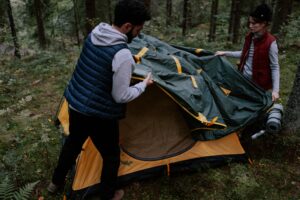
Store your camping gear for winter.
-
Clean and Dry Your Gear Thoroughly
Before storing your camping gear, it’s essential to clean and dry each item thoroughly. Remove dirt, debris, and food residue from tents, sleeping bags, and cooking equipment. Make sure your gear is completely dry to prevent mould and mildew growth during storage. This initial step sets the foundation for preserving your equipment’s quality.
-
Inspect for Damage and Repairs
As you clean your gear, take the opportunity to inspect for any signs of damage or wear and tear. Check zippers, seams, straps, and poles for any issues that might need repairs. Addressing these concerns now ensures that your gear will be ready for action when the camping season returns.
-
Use Storage Containers and Bags
Proper storage containers and bags play a crucial role in keeping your camping gear safe during winter. Invest in weather-resistant plastic bins or duffel bags to protect your items from moisture, dust, and pests. Label each container for easy identification when you’re ready to use them again. Transition phrases like “moving forward” can guide your reader as you transition to discussing the benefits of using storage containers.
-
Elevate Your Camping Gear
When storing your gear, consider elevating it off the ground to prevent moisture from seeping in. Use pallets, shelves, or even a stack of bricks to create a barrier between your gear and the cold ground. This simple step goes a long way in preserving the quality of your equipment.
-
Maintain Proper Ventilation
Ventilation is key to preventing musty odours and mould growth. Avoid sealing your gear in airtight containers, as this can trap moisture. Instead, choose containers that allow for proper airflow. For tents, avoid storing them in their stuff sacks; instead, use a mesh storage bag to ensure ventilation.
-
Store Sleeping Bags and Clothing Properly
Sleeping bags and clothing should be stored loosely to maintain their loft and insulation. Avoid compressing them for extended periods, as this can compromise their warmth. Hang sleeping bags or lay them flat in a storage area. For clothing, use hangers or fold them gently to prevent creases.
-
Store Down Items Uncompressed
If you have down-filled gear like jackets or sleeping bags, avoid storing them compressed. Down insulation can lose its loft if stored in a compressed state for too long. Hang or lay down items flat to maintain their fluffiness and warmth.
-
Maintain Camping Stoves and Cooking Equipment
Properly store camping stoves and cooking equipment by cleaning them thoroughly and removing any leftover fuel. Store them in a dry and well-ventilated area to prevent rust and corrosion. It’s a good idea to check manufacturer guidelines for specific storage recommendations.
-
Keep Batteries Separate
Remove batteries from flashlights, lanterns, and other battery-operated gear before storing them for winter. This prevents potential corrosion or leakage that could damage your equipment. Store batteries separately in a cool, dry place.
Conclusion
Storing your camping gear for winter is a crucial step in ensuring its longevity and functionality. By following these expert tips, you can safeguard your equipment from the cold and damp conditions of the off-season. Cargill Removals recognises the significance of proper storage practices and supports individuals in safeguarding their belongings during transitions.
Whether you’re cleaning and drying your gear, using storage containers, or elevating your equipment, the key is to prioritise care and attention to detail. With the right approach, your camping gear will be ready and waiting for your next outdoor adventure. Remember, a little effort now can go a long way in extending the life of your equipment and ensuring memorable camping experiences in the seasons to come.