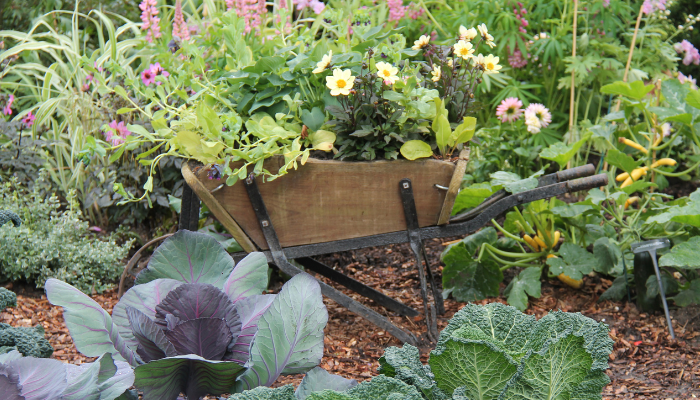
How to DIY a veggie planter from an old clothes rail
Turning an old clothes rail into a veggie planter is a fun and eco-friendly project. It gives new life to something you might otherwise throw away and provides a great way to grow your own vegetables. Follow these simple steps to create your own veggie planter and enjoy fresh produce right at home.

How to DIY a Veggie Planter from an Old Clothes Rail
Gather Your Materials
You’ll need an old clothes rail, some wooden planks, screws, a drill, and a saw. Make sure the clothes rail is sturdy and can support the weight of the soil and plants. Collecting all your materials before you start will make the project smoother.
Clean the Clothes Rail
Before you begin, clean the clothes rail thoroughly. Remove any dirt or rust to ensure it looks good and lasts longer. A clean surface will also help the paint or finish stick better.
Measure the Space
Decide how big you want your planter to be. Measure the space on your clothes rail where the planter will sit. Use these measurements to cut the wooden planks to the right size.
Cut the Wooden Planks
Use a saw to cut the wooden planks according to your measurements. Make sure the edges are smooth to avoid splinters. Cutting the planks to the right size is crucial for a sturdy planter.
Assemble the Frame
Attach the wooden planks to the clothes rail to create the frame of your planter. Use screws and a drill to secure the planks firmly. A well-assembled frame will support the soil and plants properly.
Add a Bottom to the Planter
To hold the soil, add a bottom to your planter. Use a piece of wood or a tray that fits the frame. Secure it well so it can hold the weight of the soil and plants.
Drill Drainage Holes
Drill a few holes in the bottom of your planter for drainage. This prevents water from accumulating and helps keep your plants healthy. Proper drainage is essential for any planter.
Sand the Edges
Sand the edges of the wooden planks to make them smooth. This prevents splinters and gives your planter a polished look. A smooth surface is safer and more attractive.
Paint or Stain the Wood
If you want, you can paint or stain the wooden planks. Choose a colour that matches your garden or home décor. Painting or staining the wood also protects it from the weather.
Line the Planter
Line the inside of the planter with landscape fabric or plastic. This helps contain the soil and keeps it from spilling out. A liner also protects the wood from moisture.
Fill with Soil
Fill your planter with good-quality soil. Choose soil that is suitable for the vegetables you plan to grow. Good soil provides the nutrients your plants need to thrive.
Choose Your Plants
Select the vegetables you want to grow in your planter. Consider the amount of sunlight your planter will receive and choose plants that will thrive in those conditions.
Plant Your Vegetables
Plant your chosen vegetables in the soil. Follow the instructions for spacing and depth on the seed packets or plant labels. Proper planting ensures healthy growth.
Water Your Plants
Water your plants regularly. Make sure the soil stays moist but not waterlogged. Consistent watering is crucial for the health of your plants.
Add Fertiliser
Add fertiliser to the soil to provide extra nutrients for your plants. Follow the instructions on the fertiliser package for the correct amount and frequency. Fertiliser helps your plants grow strong and healthy.
Monitor for Pests
Keep an eye out for pests that might attack your plants. Check the leaves and stems regularly for signs of insects or disease. Early detection helps prevent damage.
Prune When Necessary
Prune your plants to keep them healthy and encourage growth. Remove dead or damaged leaves and stems. Pruning also helps improve air circulation around the plants.
Harvest Your Vegetables
When your vegetables are ready, harvest them. Follow the guidelines for each type of vegetable to ensure they are picked at the right time. Enjoy the fresh produce from your own garden.
Clean the Planter Regularly
Keep your planter clean to prevent pests and diseases. Remove any dead leaves or debris from the soil surface. A clean planter promotes healthy plant growth.
Rotate Your Crops
Rotate the vegetables you plant in your planter each season. This helps prevent soil depletion and reduces the risk of pests and diseases. Crop rotation is a good gardening practice.
Store Your Planter in Winter
If you live in a cold climate, store your planter indoors during winter. This protects the wood from freezing temperatures and extends the life of your planter. Storing it properly ensures it will be ready for the next planting season.
Enjoy Your DIY Planter
Take pride in your DIY veggie planter. Enjoy the process of growing your own vegetables and the satisfaction of eating what you’ve grown. Your hard work will pay off with fresh, healthy produce.
Share with Friends
Tell your friends about your DIY project and encourage them to try it too. Sharing your experience can inspire others to start their own gardening projects. Gardening is more fun when shared with others.
Conclusion: How to DIY a veggie planter from an old clothes rail
Creating a veggie planter from an old clothes rail is a rewarding and enjoyable project. It combines recycling with gardening, helping you grow your own food while being kind to the environment. Follow these steps and enjoy fresh vegetables from your own DIY planter. Happy gardening!