How do movers pack furniture in the truck before moving it?
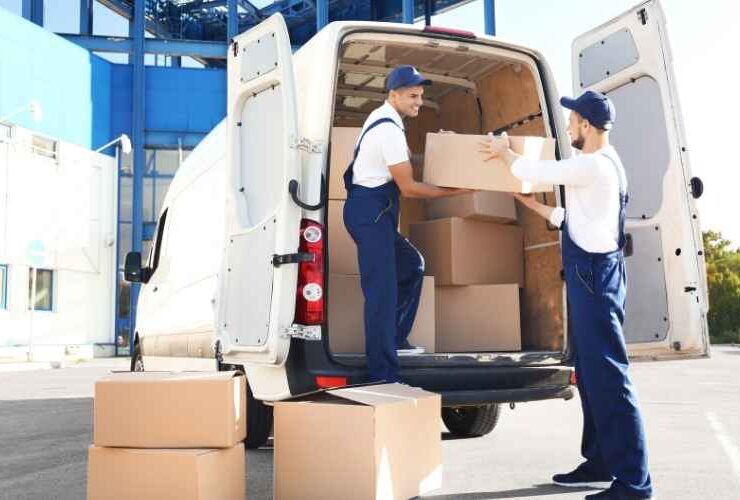
At Cargill Removals, we understand that a well-organised move starts with a properly packed truck. The question, “How do movers pack furniture in the truck before moving it?” is one we answer daily through careful planning, experience, and attention to detail. Every step in the packing process ensures your belongings are safe, secure, and ready for transport. From disassembling large furniture to using straps and padding, our team employs strategies to maximise space and protect your items. Let’s dive into how our movers tackle this essential aspect of your move.
Planning the Truck Loading Process
Packing begins with a clear plan tailored to your belongings. Movers evaluate the size, weight, and fragility of each item to determine the best loading order. Heavy furniture forms the base, lighter boxes are stacked on top, and delicate items are secured separately. A solid plan reduces the chance of last-minute adjustments and saves time during loading. This preparation ensures a smooth process that protects your items from damage while maximising truck space. Each mover focuses on the layout to avoid gaps and shifting. A detailed approach ensures everything fits efficiently and arrives intact.
Disassembling Large Furniture Pieces
Large furniture often takes up unnecessary space unless disassembled. Movers remove legs from tables, detach bed frames, and take apart bulky sofas when possible. This step makes handling and positioning furniture more manageable. Disassembled items are packed with their screws and parts securely labelled, making reassembly straightforward. Breaking furniture into smaller components prevents scratches, dents, and damage during transport. It also opens up room in the truck for other items. Taking this extra time at the start means fewer challenges later in the move, ensuring every piece is transported safely and efficiently.

Securing Furniture with Wrapping Materials
Furniture wrapping is key to protecting items during transport. Movers use professional-grade materials like moving blankets, shrink wrap, and bubble wrap to shield surfaces from scratches or dents. Wooden furniture, such as cabinets or tables, receives particular care to prevent chips or scuffs. Upholstered items are wrapped tightly to avoid damage from dust or spills. Wrapping also adds an extra layer of cushioning, protecting your pieces from bumps along the journey. Movers ensure that each piece is completely covered, leaving no exposed areas. This meticulous wrapping process safeguards your belongings for the entire move.
Loading Heavy Items First
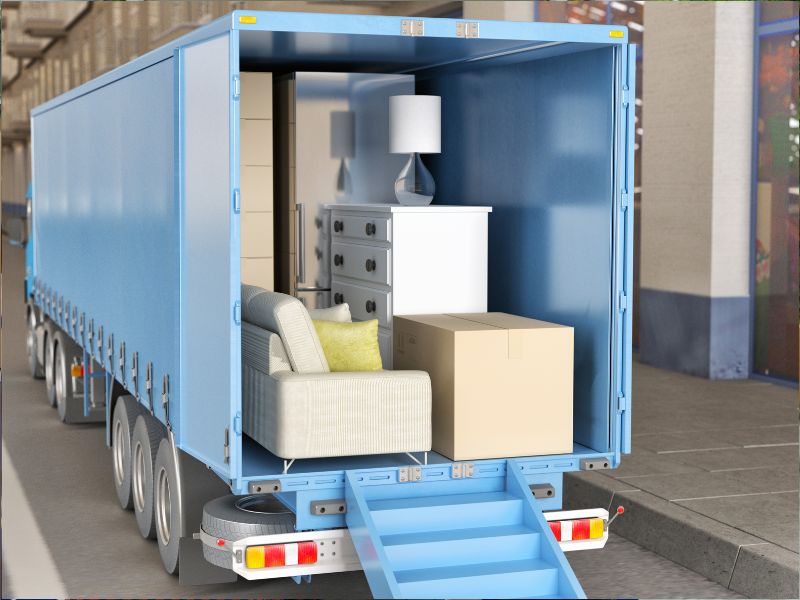
Heavy items, including appliances, wardrobes, and dressers, form the base of the truck’s load. Movers position these items against the walls to create stability and maintain balance. This foundation ensures the truck handles smoothly during transit, preventing tipping or sliding. By loading heavier pieces first, movers also avoid crushing lighter items. The strategic placement of these large pieces makes the best use of the truck’s vertical and horizontal space. Each item is secured in place with straps or ties to avoid movement. Starting with the heaviest pieces sets the stage for a safe and efficient move.
Positioning Sofas and Mattresses Correctly
Sofas and mattresses are placed upright to maximise space and protect their surfaces. Movers position them against the truck walls and secure them with straps to keep them in place. This technique not only prevents them from shifting but also leaves more room for other furniture. Padding is often added to avoid friction or damage during transit. Mattresses are carefully wrapped to keep them clean and prevent tearing. By placing these larger items correctly, movers ensure they are safe and other pieces are loaded efficiently around them.
Stacking Boxes with Care
Stacking boxes in the truck involves precision and careful weight distribution. Heavy boxes are always placed on the bottom to provide a stable base. Lighter and more fragile items are stacked on top to avoid damage. Movers ensure that each box is packed tightly to prevent them from shifting during transport. They also use the truck’s height efficiently by creating organised rows. Proper stacking protects the contents of your boxes and maximises the available space. By following this method, movers keep everything secure and ensure a smooth unloading process.
Using Straps and Ties for Stability
Straps and ties are indispensable for keeping items in place during transit. Movers use these tools to secure furniture and boxes, preventing them from sliding or tipping over. Straps are tightened around large pieces like sofas or wardrobes, while ties hold smaller items in position. By anchoring items to the truck’s walls, movers ensure they remain stable even on bumpy roads. These precautions not only protect your belongings but also ensure the safety of the movers and the truck. Securing everything properly guarantees a worry-free journey for your furniture.
Filling Gaps with Smaller Items
Small items, such as cushions, rugs, or duvets, are perfect for filling gaps between furniture. Movers use these soft items to stabilise the load and prevent furniture from shifting. Gaps can create space for movement during transit, which increases the risk of damage. By packing these areas tightly, movers ensure everything stays in place. This technique also helps maximise the use of available space. Smaller items act as both fillers and padding, providing additional protection for more delicate furniture pieces. It’s a simple yet effective way to make the most of the truck’s capacity.
Protecting Fragile Items with Extra Care
Fragile items, such as glass tables, mirrors, or delicate decorations, require extra attention during packing. Movers use bubble wrap, packing paper, and padded boxes to safeguard these pieces. These items are placed in specific areas of the truck where they won’t be crushed or shifted. Fragile boxes are clearly labelled to ensure they are handled carefully. Additional padding is used around these items to absorb shocks during transit. By giving these items special treatment, movers ensure they arrive at your new home in perfect condition.
Creating Layers with Furniture and Boxes
Movers often layer furniture and boxes strategically to create a stable and efficient load. Heavier items and furniture pieces form the bottom layer, while lighter boxes are placed on top. This method not only maximises space but also ensures the load remains balanced. Layers are packed tightly, leaving no room for movement. Soft items, like cushions, are used between layers to prevent scratches or damage. This layering technique allows movers to use the full height of the truck without compromising the safety of your belongings.
Placing Flat Items Against the Walls
Flat items, such as mirrors, paintings, and headboards, are positioned upright against the truck walls. Movers use padding and straps to secure these pieces, ensuring they don’t shift during transport. This placement protects the flat items while freeing up horizontal space for other furniture. By keeping these items upright, movers minimise the risk of damage. Proper positioning ensures your delicate flat pieces remain safe throughout the move.
Organising Items by Room
Packing by room simplifies unloading and unpacking at your new home. Movers group items from the same room together, ensuring they are easily accessible later. This strategy helps create a logical flow during loading and unloading. For example, kitchen boxes go together, and bedroom furniture is kept in one section. By organising items in this way, movers save time during the process and help you set up your new space quickly. Room-specific organisation reduces confusion and ensures that fragile or valuable items are prioritised based on their location in the home.
Using Moving Blankets for Extra Padding
Moving blankets provide essential padding for furniture and prevent scratches, dents, or chips. Movers wrap these thick blankets around items like tables, dressers, and chairs before securing them in the truck. Blankets cushion items from bumps during transit and protect surfaces from contact with other furniture. The extra layer of security ensures that wooden or metal furniture stays in pristine condition. Movers carefully tuck blankets around the edges and corners to cover vulnerable areas. This simple yet effective step adds significant protection for your belongings.
Maximising Vertical Space in the Truck
Efficient use of vertical space is crucial for fitting all your belongings into the truck. Movers stack boxes and furniture to make the most of the truck’s height, ensuring nothing is left behind. Heavy items form the base, with lighter items layered above. This technique prevents unnecessary shifting while balancing the load. Vertical stacking allows for the inclusion of more items while keeping them secure. Movers also ensure that fragile items aren’t placed under pressure by carefully planning the height of each stack. This approach guarantees a safe and organised move.
Packing Appliances Safely
Appliances like fridges, washing machines, and ovens require careful handling. Movers secure these items upright to avoid damaging internal components. They also use straps to keep appliances in place during transit. Protective coverings are added to prevent dents or scratches on exterior surfaces. Appliances are packed with sufficient space around them to avoid bumps or collisions with other items. Movers ensure cables and small parts are secured to avoid tangling or loss. Proper care of appliances ensures they arrive in working condition, ready to use in your new home.
Preventing Movement During Transit
Preventing movement is essential to keeping furniture and belongings safe. Movers use straps, ties, and padding to anchor items securely. They also fill gaps with soft items to reduce shifting during transport. Proper packing techniques ensure that the load remains stable, even on uneven roads. Movers double-check that all items are secure before setting off. By eliminating movement, they protect your belongings from scratches, dents, and damage. This level of care guarantees a smooth journey for your furniture and peace of mind for you.
Labelling Boxes for Quick Access
Labelling boxes makes the unloading process easier and quicker. Movers clearly mark each box with its contents and destination room. This helps identify fragile or high-priority items immediately. Labelling also streamlines unpacking, as you can find what you need without opening multiple boxes. Movers take care to stack labelled boxes in the truck in a logical order, keeping essential items within easy reach. Clear labels prevent confusion and ensure your move is as efficient as possible. This small step adds convenience and organisation to the entire process.
Protecting Delicate Upholstery
Delicate upholstery, such as sofas and chairs, requires special care during packing. Movers wrap these pieces in plastic or fabric covers to shield them from dirt and moisture. Extra padding is added to corners and edges to prevent tears or scuffs. Upholstered items are carefully positioned in the truck to avoid contact with sharp or heavy objects. Movers ensure that these items are secure but not overly compressed, preserving their shape and condition. Proper handling of upholstery ensures that your furniture looks just as good in your new home.
Checking the Load for Balance
Balancing the load is a critical step in the packing process. Movers distribute weight evenly throughout the truck to prevent tipping or instability. They position heavy items near the truck’s centre and lighter items towards the top and sides. This careful arrangement ensures the truck handles smoothly on the road. Balance also prevents items from shifting during transit, reducing the risk of damage. Movers continuously adjust the placement of items as they load to achieve optimal balance. A well-balanced load ensures a safer and more efficient move.
Protecting Items with Weather-Resistant Materials
Weather conditions can pose risks to your belongings during a move. Movers use weather-resistant materials, such as plastic covers and waterproof blankets, to shield items from rain or moisture. Furniture and boxes are wrapped securely to prevent exposure to damp conditions. Additional precautions are taken for items susceptible to temperature changes, such as electronics. Movers also check the truck’s seals to ensure it is properly insulated. Protecting your belongings from the weather guarantees they arrive in excellent condition, regardless of the forecast.
Double-Checking Everything Before Departure
Before setting off, movers conduct a final check of the load to ensure everything is secure. They verify that straps and ties are tight, gaps are filled, and fragile items are well-padded. This step helps prevent surprises during transit, such as shifting loads or damaged furniture. Movers also confirm that nothing has been overlooked or left behind. A thorough double-check gives you confidence that your belongings are safe and ready for the journey. This extra attention to detail reflects the care and professionalism of the moving team.
Planning the Unloading Process
While packing is crucial, planning for unloading ensures a seamless move into your new home. Movers load items in a way that simplifies the unloading process, placing essential items last so they’re accessible first. By grouping boxes and furniture by room, they make it easier to set up your new space. Movers also take note of fragile or high-priority items to handle them with care. This foresight reduces stress and helps you settle into your new home faster. Proper planning for unloading is the final touch to a well-organised move.
Conclusion: How do movers pack furniture in the truck before moving it?
At Cargill Removals, we take pride in the care and expertise we bring to every move. Answering the question, “How do movers pack furniture in the truck before moving it?” reveals the level of attention we give to protecting your belongings. From disassembly to securing and balancing the load, each step is designed to ensure your items arrive safely. Trust our team to handle your move with professionalism and precision. Let us make your relocation a smooth and stress-free experience.