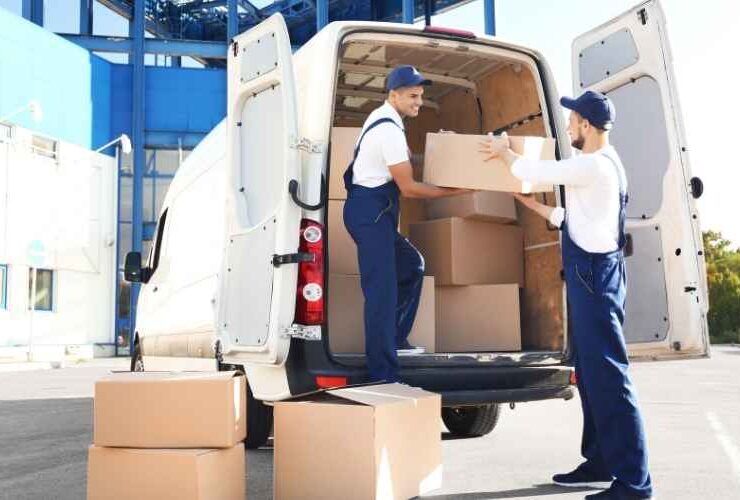
Moving house can feel overwhelming, especially when you’re unsure where to start packing. At Cargill Removals, we know that packing plays a crucial role in ensuring a smooth move. Understanding where to begin can make a big difference. This guide will help you identify the best places to start packing when moving house, making your transition to a new home as seamless as possible. Discover where to start packing when moving house with Cargill Removals. Expert tips to streamline your moving process.
Start with Non-Essential Items
Begin by packing non-essential items that you don’t use daily. These can include seasonal decorations, books, and out-of-season clothing. By starting with items that aren’t needed right away, you’ll reduce clutter and free up space for packing essential items later. This approach helps you tackle packing in manageable chunks, making the entire process less stressful.

Tackle Storage Areas First
Storage areas like basements, attics, and garages often contain items that you rarely use. Start packing these spaces to get them out of the way. Focus on items such as old furniture, holiday decorations, and unused equipment. This way, you address areas that are less critical to your daily routine, making it easier to focus on essential items closer to your moving date.
Move on to Spare Rooms
Next, pack up spare rooms or guest rooms. These spaces typically hold items that you don’t need immediately. Pack away extra bedding, unused furniture, and personal items stored in these rooms. By packing spare rooms early, you can keep essential living spaces functional while completing your packing tasks.
Pack Up Seasonal Items
Seasonal items, such as winter clothes or summer gear, should be packed early if you don’t need them in the immediate future. These items can be packed away in advance, as you won’t use them until their respective seasons come around again. This step helps you manage your packing timeline efficiently, reducing the number of items you need to pack as moving day approaches.
Sort and Pack Books
Books can take up a significant amount of space and add weight to your boxes. Start by sorting through your collection and packing them in sturdy boxes. Use small boxes to avoid making them too heavy. Packing books early helps you get a head start on packing and makes it easier to move other items into their place as you progress.
Clear Out the Kitchen
The kitchen often requires considerable time to pack due to its variety of items. Start by packing up items that you don’t use daily, such as small kitchen appliances, dishes, and utensils. Save essential items like daily cutlery and cooking equipment for later. This approach ensures that your kitchen remains functional until closer to moving day.
Pack Up Clothing and Wardrobes
Clothing and wardrobes can be packed relatively early in the moving process. Use wardrobe boxes to make packing clothes easier and keep them wrinkle-free. For off-season clothing, consider using vacuum-sealed bags to save space. This step helps reduce clutter and makes packing other areas of your home more manageable.
Sort Through Personal Items
Personal items such as photos, memorabilia, and documents need careful packing. Start by sorting through these items and packing them in well-labelled boxes. Use bubble wrap or packing paper to protect fragile items. By packing personal items early, you ensure their security and readiness for moving day.
Address Outdoor Gear and Tools
Outdoor gear, garden tools, and sports equipment should be packed up as soon as possible. These items are often bulky and can take up significant space. Pack them in sturdy boxes or containers to keep them organised. This step helps you manage space in your new home and ensures that everything is ready for a smooth move.

Handle Fragile Items Carefully
Fragile items such as glassware and ceramics require special packing attention. Wrap each item carefully with bubble wrap or packing paper and pack them in sturdy boxes with plenty of padding. By addressing fragile items early, you reduce the risk of damage and ensure their safety during the move.
Organise and Pack Electronics
Electronics like TVs, computers, and gaming consoles need careful packing. Use their original packaging if available or pack them in sturdy boxes with ample padding. Disconnect and label all cables and accessories. Properly packing electronics ensures they stay protected and are easy to set up in your new home.
Address Bathroom Items
Pack bathroom items such as toiletries and towels closer to moving day. Start by packing non-essential items like extra toiletries and cleaning supplies. Keep essential items like daily toiletries accessible until the last minute. This approach ensures you have everything you need right up until you move.
Pack Office Supplies and Paperwork
Office supplies and important paperwork should be packed systematically. Sort through files, documents, and office equipment. Use folders or boxes to organise and label everything clearly. Packing these items early helps avoid last-minute scrambles and ensures important documents stay secure during the move.
Handle Large Furniture Last
Large furniture items like sofas and beds should be packed and prepared for the move closer to moving day. Disassemble furniture if possible and pack it carefully to avoid damage. Large furniture is often the final step in packing, as it’s easier to manage once other items are packed.
Sort and Pack Kids’ Toys
Kids’ toys can be packed in advance, but keep a few favourites accessible. Pack toys in sturdy boxes and label them clearly. This helps ensure your children’s belongings are organised and easily accessible in your new home, making the transition smoother for them.
Pack Dining and Entertaining Items
Dining and entertaining items such as tableware, serving dishes, and glassware should be packed carefully. Wrap each item individually and pack them in sturdy boxes with plenty of cushioning. Packing these items early ensures they stay well-protected and are ready to unpack in your new dining area.
Address Pet Supplies
Pet supplies including food, toys, and bedding should be packed in a way that makes them easy to access. Pack essential items separately so you can quickly find them during the move. By addressing pet supplies early, you ensure your furry friends have everything they need to feel comfortable in your new home.
Final Packing and Last-Minute Items
As moving day approaches, focus on packing any remaining items and last-minute essentials. Keep a separate bag or box for items you’ll need immediately upon arrival, such as toiletries, medications, and a change of clothes. This ensures you have everything you need right away and makes the final stages of your move less stressful.
Label and Organise Boxes
Properly labelling and organising your boxes is crucial for a smooth move. Clearly mark each box with its contents and the room to which it belongs. This helps you and your movers quickly identify where each box should go in your new home. Labelling also makes unpacking more efficient and less confusing.
Use Quality Packing Materials
Invest in quality packing materials to ensure your items stay well-protected. Use sturdy boxes, packing tape, bubble wrap, and packing paper to secure your belongings. Proper packing materials help prevent damage and keep your items safe throughout the moving process.
Securely Pack Valuables
Valuables such as jewellery and important documents need secure packing. Consider using a safe or lockbox for added protection. Pack these items separately and keep them with you during the move to ensure they stay safe and easily accessible.

Prepare for Moving Day
As moving day approaches, double-check that everything is packed and ready to go. Confirm arrangements with your movers and ensure you have a clear plan for the moving process. By preparing ahead of time, you can make moving days as smooth and stress-free as possible.
Conclusion: Discover Where to start packing when moving house
Starting your packing process early and systematically can make your move much more manageable. At Cargill Removals, we understand the importance of a well-organised move and are here to help you every step of the way. By following these tips and packing in an organised manner, you’ll ensure that your move goes smoothly and that your new home is ready for you. Happy packing and good luck with your move!