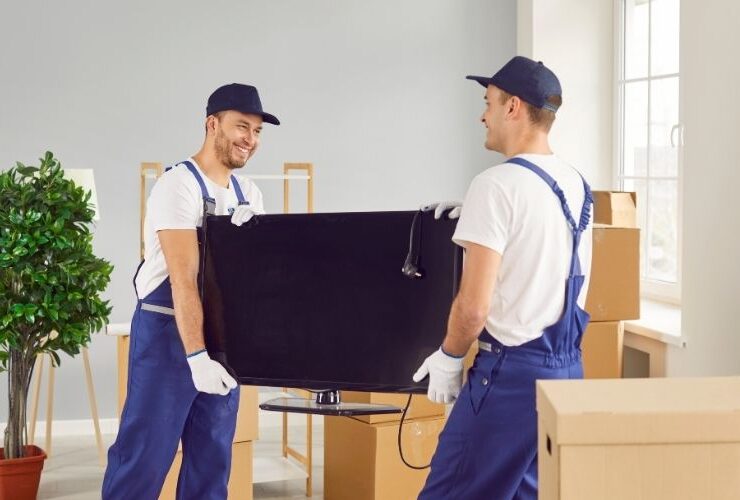
Safe Piano Transport Specialists Across Greater London
Moving a piano requires more than strength. It requires planning, specialist equipment, trained handling, and a clear understanding of how delicate musical instruments respond to movement, pressure, vibration, and changes in environment. Pianos carry financial value, musical value, and often deep personal meaning, so owners should never treat piano transport like ordinary furniture removal.
Safe piano transport specialists across Greater London help homeowners, schools, studios, churches, venues, retailers, and businesses move pianos with confidence. Whether you own an upright piano, baby grand, grand piano, or digital piano, you need movers who understand weight balance, access restrictions, protective wrapping, secure loading, and careful placement.
Cargill Removals provides professional piano transport across Greater London with a strong focus on safety, planning, and customer care. Our team uses proven methods and suitable equipment to move valuable instruments safely from collection to delivery.
Why Safe Piano Transport Specialists Across Greater London Matter
Pianos combine heavy weight with delicate engineering
A piano looks strong from the outside, but it contains delicate internal parts that affect tone, tuning, and performance. Upright pianos can weigh hundreds of kilograms, while grand pianos can weigh even more. Professional movers understand this balance between weight and fragility, so they handle each instrument with care.

DIY piano moving creates serious risks
Moving a piano without training can damage the instrument, property, or people involved. Poor lifting can harm pedals, legs, keys, soundboards, or internal mechanisms. It can also scratch floors, damage walls, or cause back injuries. Specialist piano movers reduce these risks through planning, equipment, and safe techniques.
Why Greater London Piano Moves Need Extra Planning
London properties often create access challenges
Greater London contains modern flats, period homes, townhouses, schools, churches, studios, and commercial buildings. Many properties include narrow hallways, steep stairs, limited lifts, restricted parking, and tight doorways. Safe piano transport specialists across Greater London assess these conditions before moving day and create a practical plan.
Traffic, parking, and loading points affect the move
London roads can create delays if movers fail to plan routes and access points properly. Controlled parking zones, busy streets, red routes, and limited loading areas can complicate piano transport. Experienced movers consider timing, vehicle position, loading distance, and route efficiency before they begin the relocation.
Every Piano Requires Individual Planning
A proper assessment protects the piano and property
No two piano moves follow the exact same process. Before transport, professional movers review the piano type, size, weight, access route, staircases, door widths, lifts, flooring, parking, and delivery location. This assessment helps the team choose the safest method and avoid unnecessary movement or risk.
Planning helps prevent delays and damage
Good planning saves time on moving day and protects the instrument from avoidable harm. Movers decide where to position equipment, how to turn corners, how many team members they need, and how to secure the piano during loading. This preparation keeps the whole process controlled.
Specialist Equipment Makes Piano Transport Safer
Professional movers use purpose-built moving tools
Safe piano transport specialists use piano trolleys, skates, straps, ramps, protective blankets, padded covers, anti-slip materials, floor protection, corner guards, and vehicle restraint systems. These tools help the team move heavy instruments with better control. Proper equipment reduces pressure on the piano and protects the surrounding property.
Secure loading matters during every journey
A piano must remain stable inside the vehicle. Professional movers position the instrument carefully and secure it with restraint systems to reduce movement during transport. This step matters because sudden movement, vibration, or poor balance can affect the piano’s finish, structure, and internal components.
Protecting Valuable Musical Instruments
Pianos need careful wrapping and handling
Professional movers protect the piano’s exterior with padded covers, blankets, and careful wrapping. They also secure lids, pedals, legs, and removable parts where needed. This careful handling helps prevent scratches, dents, knocks, and pressure damage during lifting, turning, loading, unloading, and final placement.
Internal parts need protection from shock and vibration
A piano contains strings, hammers, dampers, keys, pedals, pins, and other precise components. Rough handling can affect tone, tuning stability, and playing quality. Specialist movers reduce shock by using controlled lifting, stable equipment, smooth loading methods, and careful driving throughout the journey.

Moving Different Types of Pianos
Upright piano transport
Upright pianos may look simpler to move than grand pianos, but they still require professional care. Their weight, height, and centre of gravity can make them difficult to control. Movers use correct lifting positions, stable trolleys, and protective wrapping to move upright pianos safely through homes and buildings.
Baby grand piano transport
Baby grand pianos usually require partial dismantling before transportation. Movers often remove or protect legs, pedals, lyres, and lids to reduce risk and improve stability. The team then wraps each part carefully and secures the main body before loading it into the removal vehicle.
Grand piano transport
Grand pianos demand advanced planning, more manpower, specialist equipment, and expert handling. Their shape, size, value, and weight make them challenging to move through tight spaces. Professional piano movers understand how to dismantle, protect, lift, secure, transport, and reposition grand pianos safely.
Digital piano transport
Digital pianos weigh less than acoustic pianos, but they still need careful handling. Electronic components, screens, stands, pedals, cables, and speakers can suffer damage during careless transport. Movers pack and protect digital pianos properly to reduce shock, moisture exposure, and accidental impact.
The Importance of Professional Training
Piano movers need more than general removal skills
Standard furniture moving experience does not always prepare a team for piano transport. Piano movers need training in weight distribution, safe lifting, dismantling, wrapping, equipment use, route assessment, vehicle loading, and customer communication. This knowledge helps them protect both the instrument and the property.
Skilled teams handle difficult moves with confidence
Experienced piano movers know how to respond when they face tight turns, high steps, limited parking, or unexpected access issues. They do not rush the job. Instead, they review the safest option, communicate clearly, and use the right method to complete the move safely.
Step-by-Step Process for Safe Piano Transportation
Step 1: Assess the piano and access route
The team starts by checking the piano type, size, weight, current position, exit route, and delivery access. They review stairs, lifts, flooring, doorways, parking, and possible obstacles. This assessment helps them decide how many movers, which tools, and what protection the move requires.
Step 2: Prepare and protect the piano
Before lifting begins, movers secure the keyboard lid, protect removable parts, wrap the piano with padded materials, and prepare floors or walls if needed. For grand pianos, the team may remove legs and pedals carefully. This preparation reduces the chance of scratches or internal stress.
Step 3: Move, load, and secure the piano
The team uses specialist equipment to move the piano through the property and into the vehicle. Movers control each turn, step, and ramp carefully. After loading, they secure the instrument inside the vehicle with restraints so it stays stable throughout the journey across Greater London.
Step 4: Deliver and position the piano
At the destination, movers unload the piano carefully and place it in the customer’s chosen room. They check stability, positioning, and safe placement before completing the job. Customers should choose a location away from direct sunlight, radiators, damp areas, and heavy temperature changes.
How to Choose Safe Piano Transport Specialists Across Greater London
Check experience, insurance, and equipment
Choose a company with proven piano moving experience, suitable equipment, and insurance options. Ask how the team protects upright, baby grand, grand, or digital pianos during transport. A trustworthy company answers clearly, explains the process, and provides a written quotation before moving day.
Read reviews and ask practical questions
Customer reviews can show how a company handles punctuality, care, communication, and difficult access. Before booking, ask about site assessments, parking needs, protective materials, dismantling, storage, and final placement. Clear answers help you choose safe piano transport specialists across Greater London with confidence.
Why Choose Cargill Removals?
Experienced piano transport with careful planning
Cargill Removals understands that every piano has financial, musical, and sentimental value. Our team plans each piano move carefully, considering access, piano type, vehicle loading, and delivery conditions. We focus on safe handling, clear communication, and reliable service from the first enquiry to final placement.
Professional equipment and customer-focused service
We use suitable moving equipment, protective wrapping, and secure transport methods to reduce risk during piano relocation. Our team treats every instrument with respect and works carefully inside customer homes, venues, schools, and businesses. We aim to make piano transport smooth, safe, and stress-free.
Maintaining Your Piano After Transport
Let the piano adjust after delivery
After transport, your piano may need time to settle into its new environment. Temperature and humidity changes can affect tuning and sound quality. Keep the piano away from direct sunlight, radiators, damp walls, and heating vents. Arrange professional tuning after the instrument has settled.
Conclusion
Choosing safe piano transport specialists across Greater London protects your piano, your property, and your peace of mind. A piano is heavy, delicate, valuable, and often emotionally important. Moving it without the right training or equipment can cause damage, injury, and unnecessary stress.
Professional piano movers plan the route, protect the instrument, use specialist equipment, load securely, transport carefully, and position the piano safely at the destination. This structured approach reduces risk and gives customers confidence throughout the move.
Cargill Removals provides dependable piano transport services across Greater London for upright pianos, baby grand pianos, grand pianos, and digital pianos. Whether you need to move a piano between homes, schools, studios, churches, concert venues, retailers, or storage facilities, our team can help you move it safely and professionally.
When your piano deserves expert care, choose experienced specialists who understand every stage of safe piano transportation.

Frequently Asked Questions
1. Why should I hire safe piano transport specialists across Greater London?
You should hire safe piano transport specialists because pianos require trained handling, specialist equipment, and careful planning. Professional movers understand piano weight, balance, wrapping, loading, and transport risks. They also manage London access challenges, including stairs, narrow hallways, traffic, parking limits, and difficult delivery points.
2. How long does a professional piano move usually take?
The time depends on piano type, travel distance, parking, access, stairs, lifts, and delivery conditions. A simple local upright piano move may take a few hours. A grand piano move with dismantling, difficult access, or longer travel may take more time. A site assessment helps estimate timing.
3. Can upright and grand pianos both be transported safely?
Yes. Professional piano movers can transport upright, baby grand, grand, and digital pianos safely when they use the correct methods. Each piano type needs a different approach. Movers assess the instrument, protect key parts, use suitable equipment, and secure the piano properly during transport.
4. Is my piano protected during transportation?
Professional movers protect pianos with padded covers, moving blankets, straps, trolleys, ramps, and secure vehicle restraint systems. They also plan the route carefully and use controlled handling methods. Many companies also explain insurance options before the move, giving customers extra reassurance during transportation.
5. How can I prepare for piano moving day?
Clear hallways, staircases, doorways, and access routes before movers arrive. Remove rugs, small furniture, decorative items, and obstacles. Keep children and pets away from the working area. Tell the movers about parking restrictions, stairs, lifts, tight corners, or building rules before moving day.
 01542 839867 or 07818 885148
 info@cargillremovals.co.uk
Seamless Moving Experiences Await with Cargill Removals