
12 Benefits and Advantages of LED Lights
LED lights have revolutionised lighting technology, offering numerous benefits and advantages over traditional lighting options. This guide will explore the many reasons why LED lights are an excellent choice for homes, businesses, and outdoor spaces. At Cargill Removals, we know the importance of efficient and effective lighting, whether you’re moving or setting up a new space. 12 Benefits and Advantages of LED Lights.

12 Benefits and Advantages of Lq2aED Lights
Energy Efficiency
LED lights consume significantly less energy compared to incandescent and fluorescent bulbs. They convert a higher percentage of electricity into light, reducing energy waste. This efficiency helps lower electricity bills and reduces environmental impact, making LED lights a smart choice for eco-conscious consumers.
Long Lifespan
LED lights have a much longer lifespan than traditional bulbs. While incandescent bulbs might last around 1,000 hours, LED lights can last up to 50,000 hours or more. This longevity means fewer replacements and lower maintenance costs over time.
Durability
Built to withstand harsh conditions, LED lights are highly durable. They resist shocks, vibrations, and external impacts, making them suitable for a variety of environments. Unlike fragile incandescent bulbs, LEDs don’t easily break, offering reliability in demanding situations.
Environmental Benefits
LED lights are environmentally friendly. They contain no toxic elements like mercury, which is found in fluorescent lights. Additionally, their energy efficiency means reduced greenhouse gas emissions. Choosing LED lighting contributes to a healthier planet.
Cost Savings
Though initially more expensive, LED lights save money in the long run. Lower energy consumption and reduced maintenance costs add up over time. The long lifespan of LEDs also means fewer replacements, further contributing to cost savings.
Instant Lighting
LED lights provide instant illumination when switched on. Unlike some traditional bulbs, there’s no warm-up time needed. This feature is particularly beneficial in areas where immediate lighting is essential, such as in security or emergency situations.
Low Heat Emission
LED lights emit very little heat compared to incandescent bulbs, which release 90% of their energy as heat. Lower heat emission reduces the risk of burns and fire hazards. It also helps in maintaining cooler environments, which is particularly useful in indoor settings.
Versatility
Available in various shapes, sizes, and colours, LED lights offer great versatility. They can be used in a wide range of applications, from household lighting to commercial and industrial uses. The adaptability of LEDs makes them suitable for many different lighting needs.
Improved Safety
LED lights enhance safety due to their low heat emission and durability. They reduce the risk of electrical and fire hazards. Additionally, their solid-state nature means they’re less likely to break, making them a safer option in many situations.
Better Light Quality
LEDs provide high-quality light with better colour rendering than many traditional bulbs. They offer consistent and uniform illumination without flickering. This improved light quality enhances visibility and creates more comfortable living and working environments.
Directional Lighting
LED lights emit light in a specific direction, unlike traditional bulbs that scatter light in all directions. This directional lighting reduces the need for reflectors and diffusers, enhancing efficiency and effectiveness in targeted lighting applications.
Dimming Capabilities
Many LED lights come with dimming capabilities, allowing for adjustable brightness levels. This feature provides greater control over lighting conditions, improving comfort and ambience. It also contributes to energy savings by using only the necessary amount of light.
Additional Benefits and Advantages of LED Lights
Smart Technology Integration
LED lights easily integrate with smart home systems. They can be controlled remotely via smartphones, tablets, or voice commands. This smart technology offers convenience and flexibility, enabling customised lighting schedules and settings.
Reduced Carbon Footprint
Using LED lights contributes to a reduced carbon footprint. Their energy efficiency and long lifespan result in fewer carbon emissions over time. Choosing LEDs helps in the global effort to combat climate change.
Colour Options
LED lights are available in a wide range of colours. They can produce vibrant and dynamic lighting effects for decorative and functional purposes. This variety allows for creative lighting designs in both residential and commercial spaces.
No UV Emissions
LED lights emit no ultraviolet (UV) rays, which can be harmful to skin and eyes. The absence of UV emissions makes LEDs safer for prolonged use and reduces the risk of damage to materials and artwork exposed to light.
Compatibility with Solar Power
LED lights work well with solar power systems due to their low energy consumption. This compatibility makes them an excellent choice for off-grid and renewable energy applications, promoting sustainable living.
Quiet Operation
LED lights operate silently, unlike some fluorescent lights that can produce buzzing or humming noises. This quiet operation makes LEDs ideal for use in quiet environments like bedrooms, offices, and libraries.
High Brightness and Intensity
LEDs produce bright and intense light, suitable for various applications requiring high illumination levels. Their high brightness makes them effective in outdoor lighting, task lighting, and commercial spaces.
Wide Range of Applications
The versatility of LED lights allows them to be used in numerous applications, including residential, commercial, industrial, and outdoor settings. Their adaptability ensures they meet various lighting needs efficiently.
Ease of Installation
Installing LED lights is straightforward and user-friendly. They fit standard fixtures and don’t require special tools or equipment. This ease of installation makes upgrading to LED lighting simple and convenient.
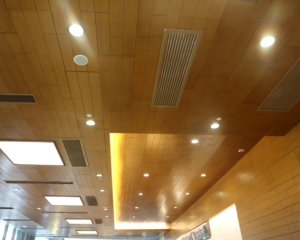
Improved Aesthetics
LED lights enhance the aesthetics of any space. Their sleek design and ability to produce various colours and effects contribute to attractive and modern lighting solutions. This aesthetic appeal makes LEDs a popular choice in interior design.
Health Benefits
LED lights offer health benefits by reducing exposure to harmful UV rays and flickering light. Their stable and consistent illumination promotes better eye health and reduces the risk of headaches and eye strain.
Increased Productivity
Better lighting quality and the ability to customise brightness levels contribute to increased productivity. Good lighting conditions improve focus and reduce fatigue, enhancing work efficiency in offices and other workspaces.
Conclusion: 12 Benefits and Advantages of LED Lights
LED lights offer numerous benefits and advantages, from energy efficiency and cost savings to improved safety and versatility. By choosing LED lighting, you invest in a solution that enhances your living and working environments while contributing to a healthier planet. At Cargill Removals, we understand the importance of effective lighting in making your space comfortable and functional. Upgrade to LED lights today and experience the difference they make in your daily life.